Amazon Coupons
Vipon > V Show > How Painful Is Hemangiomas Treatment for Kids? Share great deals & products and save together.

How Painful Is Hemangiomas Treatment for Kids?

2025-04-16 06:43:31
Report

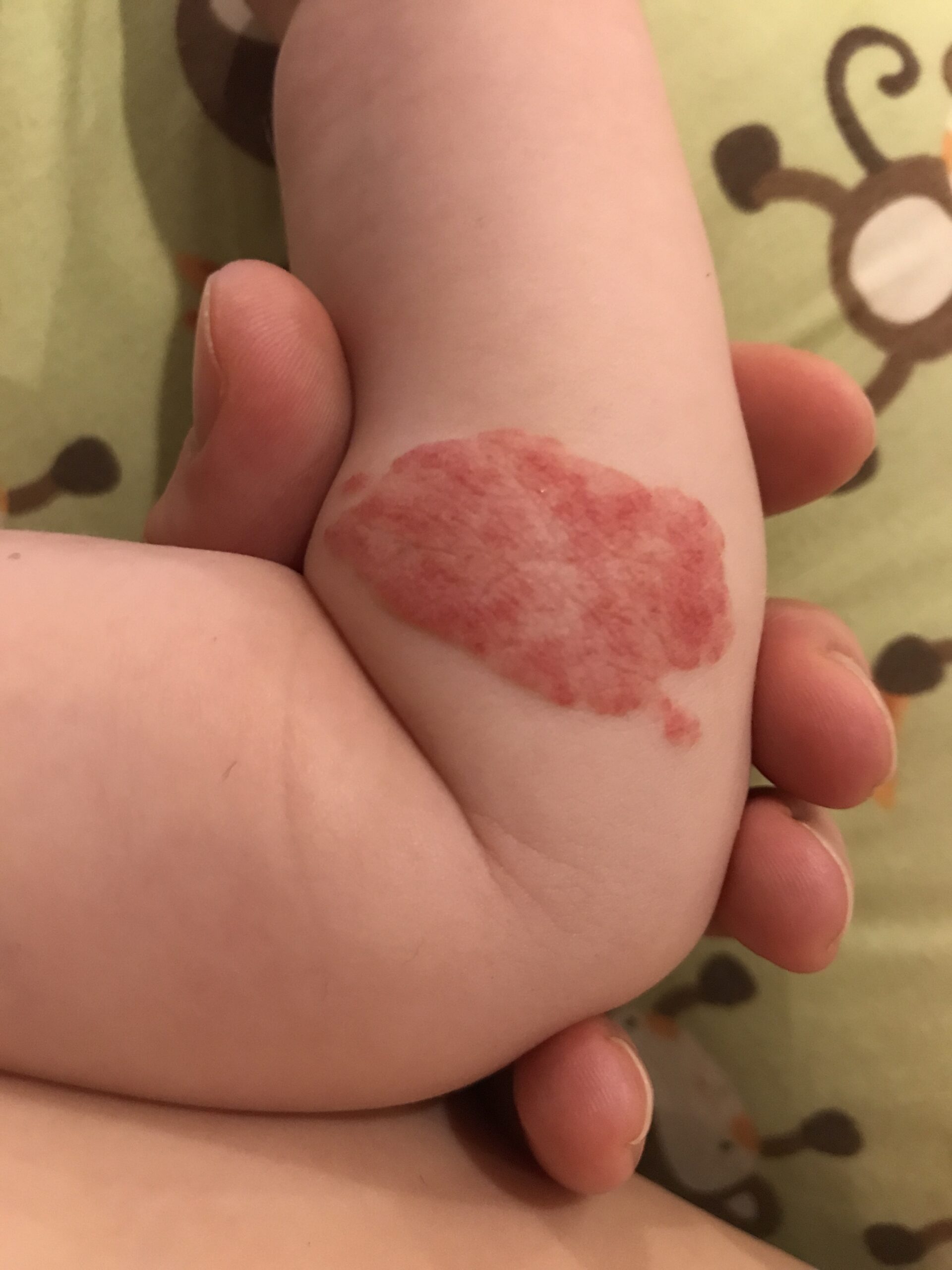
Hemangiomas are the most common type of benign vascular tumors in infants and children. They often appear as bright red birthmarks and are usually harmless. However, in some cases, treatment is necessary—especially if the hemangioma is growing rapidly, interfering with vital functions, or causing cosmetic or emotional distress. Many parents facing this situation understandably worry about how painful hemangiomas treatment is for kids.

When considering Hemangiomas Treatment in Dubai or anywhere else, the biggest concern isn’t just effectiveness—it's the comfort and well-being of the child during and after the procedure. This article explores the different treatment options available for pediatric hemangiomas, how painful they are, and what to expect throughout the treatment process.

Why Do Kids Need Hemangiomas Treatment?

Although most hemangiomas are harmless and resolve without treatment, some may cause:

Ulceration (open sores that can be painful and prone to infection)

Obstruction of vision, breathing, hearing, or feeding

Bleeding

Permanent skin changes or disfigurement

Psychological distress, especially when located on visible areas like the face or neck


Types of Hemangiomas Treatment for Kids and Their Pain Levels

The type of treatment often depends on the hemangioma's size, location, and potential complications. Here's a breakdown of common treatment methods and their level of discomfort or pain:

Oral Beta-Blockers (e.g., Propranolol)

Pain Level: Minimal

Used For: Larger or deeper hemangioma

What Happens: The child takes an oral medication that helps shrink the blood vessels

Child's Experience: Taking oral medication is not painful, though some children may dislike the taste. Doctors usually monitor heart rate and blood pressure after administration, but the process is non-invasive.

Surgical Removal

Pain Level: Moderate (during recovery)

Used For: Hemangiomas causing functional issues or those not responding to medication

What Happens: A pediatric surgeon excises the hemangioma under general anesthesia.

Child's Experience: The surgery itself is painless because of anesthesia. Post-surgical pain is managed with medications. Some discomfort during healing is expected but controlled.

How Do Children Handle Hemangiomas Treatment?

Children are incredibly resilient. While some procedures like laser therapy or steroid injections may cause temporary discomfort, most kids recover quickly. Pediatric healthcare providers are well-trained in minimizing pain and stress during these treatments. They use distraction techniques, numbing creams, sedation (if necessary), and child-friendly environments to make the experience as smooth as possible.

Parents play a vital role in reassuring and comforting their child. Maintaining a calm demeanor, bringing familiar toys, or playing soothing music can all help during clinic visits.

Emotional Pain and Psychological Impact

Aside from physical discomfort, there's the emotional aspect of hemangiomas—especially if they are visible on the face or body. Children may face teasing, stares, or questions from peers. Even if treatment is physically mild, the emotional relief from having the mark shrink or disappear can be significant for both child and parents.

That’s why early consultation with a specialist is important—not just for medical reasons, but to support emotional well-being.

Pain Management Strategies During Treatment

To ease discomfort during treatment, doctors may use:

Topical anesthetics: Numbing creams before laser or injections

Distraction techniques: Toys, videos, or music to reduce anxiety

Mild sedation: In some laser or surgical cases

Cold compresses: After laser therapy to reduce discomfort

Pain medications: Over-the-counter pain relief for post-treatment soreness

FAQS

Is hemangioma treatment painful for babies?

Not usually. Most infants tolerate treatments like topical or oral beta-blockers very well. Laser treatments and injections may cause temporary discomfort, but babies are often given numbing agents or sedation to ease the process.

Do kids need anesthesia for hemangioma treatment?

Only for surgical procedures or certain laser treatments. Non-invasive treatments like creams or medications don’t require anesthesia.

How long does recovery take after treatment?

For non-invasive methods, there’s little to no downtime. Surgical recovery may take 1–2 weeks, with some mild pain that is managed with medication.

What’s the most painful hemangioma treatment?

Surgery and steroid injections may cause more discomfort than topical or oral treatments. However, pain is usually short-lived and well-managed by doctors.

Can the treatment be emotionally painful for the child?

It can be emotionally challenging if the child is older and self-conscious about the hemangioma. In these cases, successful treatment often improves confidence and emotional well-being.

Final Thoughts

Treating a hemangioma in a child can be an emotionally loaded decision, but understanding the process helps ease concerns. Most treatments—especially modern, non-invasive ones—are minimally painful and highly effective. Pediatric healthcare teams prioritize your child's comfort, using safe and gentle methods to manage both physical and emotional pain.

How Painful Is Hemangiomas Treatment for Kids?

134
2025-04-16 06:43:31

Hemangiomas are the most common type of benign vascular tumors in infants and children. They often appear as bright red birthmarks and are usually harmless. However, in some cases, treatment is necessary—especially if the hemangioma is growing rapidly, interfering with vital functions, or causing cosmetic or emotional distress. Many parents facing this situation understandably worry about how painful hemangiomas treatment is for kids.

When considering Hemangiomas Treatment in Dubai or anywhere else, the biggest concern isn’t just effectiveness—it's the comfort and well-being of the child during and after the procedure. This article explores the different treatment options available for pediatric hemangiomas, how painful they are, and what to expect throughout the treatment process.

Why Do Kids Need Hemangiomas Treatment?

Although most hemangiomas are harmless and resolve without treatment, some may cause:

Ulceration (open sores that can be painful and prone to infection)

Obstruction of vision, breathing, hearing, or feeding

Bleeding

Permanent skin changes or disfigurement

Psychological distress, especially when located on visible areas like the face or neck


Types of Hemangiomas Treatment for Kids and Their Pain Levels

The type of treatment often depends on the hemangioma's size, location, and potential complications. Here's a breakdown of common treatment methods and their level of discomfort or pain:

Oral Beta-Blockers (e.g., Propranolol)

Pain Level: Minimal

Used For: Larger or deeper hemangioma

What Happens: The child takes an oral medication that helps shrink the blood vessels

Child's Experience: Taking oral medication is not painful, though some children may dislike the taste. Doctors usually monitor heart rate and blood pressure after administration, but the process is non-invasive.

Surgical Removal

Pain Level: Moderate (during recovery)

Used For: Hemangiomas causing functional issues or those not responding to medication

What Happens: A pediatric surgeon excises the hemangioma under general anesthesia.

Child's Experience: The surgery itself is painless because of anesthesia. Post-surgical pain is managed with medications. Some discomfort during healing is expected but controlled.

How Do Children Handle Hemangiomas Treatment?

Children are incredibly resilient. While some procedures like laser therapy or steroid injections may cause temporary discomfort, most kids recover quickly. Pediatric healthcare providers are well-trained in minimizing pain and stress during these treatments. They use distraction techniques, numbing creams, sedation (if necessary), and child-friendly environments to make the experience as smooth as possible.

Parents play a vital role in reassuring and comforting their child. Maintaining a calm demeanor, bringing familiar toys, or playing soothing music can all help during clinic visits.

Emotional Pain and Psychological Impact

Aside from physical discomfort, there's the emotional aspect of hemangiomas—especially if they are visible on the face or body. Children may face teasing, stares, or questions from peers. Even if treatment is physically mild, the emotional relief from having the mark shrink or disappear can be significant for both child and parents.

That’s why early consultation with a specialist is important—not just for medical reasons, but to support emotional well-being.

Pain Management Strategies During Treatment

To ease discomfort during treatment, doctors may use:

Topical anesthetics: Numbing creams before laser or injections

Distraction techniques: Toys, videos, or music to reduce anxiety

Mild sedation: In some laser or surgical cases

Cold compresses: After laser therapy to reduce discomfort

Pain medications: Over-the-counter pain relief for post-treatment soreness

FAQS

Is hemangioma treatment painful for babies?

Not usually. Most infants tolerate treatments like topical or oral beta-blockers very well. Laser treatments and injections may cause temporary discomfort, but babies are often given numbing agents or sedation to ease the process.

Do kids need anesthesia for hemangioma treatment?

Only for surgical procedures or certain laser treatments. Non-invasive treatments like creams or medications don’t require anesthesia.

How long does recovery take after treatment?

For non-invasive methods, there’s little to no downtime. Surgical recovery may take 1–2 weeks, with some mild pain that is managed with medication.

What’s the most painful hemangioma treatment?

Surgery and steroid injections may cause more discomfort than topical or oral treatments. However, pain is usually short-lived and well-managed by doctors.

Can the treatment be emotionally painful for the child?

It can be emotionally challenging if the child is older and self-conscious about the hemangioma. In these cases, successful treatment often improves confidence and emotional well-being.

Final Thoughts

Treating a hemangioma in a child can be an emotionally loaded decision, but understanding the process helps ease concerns. Most treatments—especially modern, non-invasive ones—are minimally painful and highly effective. Pediatric healthcare teams prioritize your child's comfort, using safe and gentle methods to manage both physical and emotional pain.

Comments

Recommended

Does Pico Laser Treatment Work for Wrinkles?
VIPON_511744263502
58
How Painful Are Jawline Contouring Injections?
VIPON_511744263502
41
What Does Sculptra Fillers Do for the Skin?
VIPON_511744263502
47
Download Vipon App to get great deals now!
...
Amazon Coupons Loading…