Amazon Coupons
Vipon > V Show > Does Milia Treatment Leave Any Scars? Share great deals & products and save together.

Does Milia Treatment Leave Any Scars?

2025-04-23 05:34:44
Report

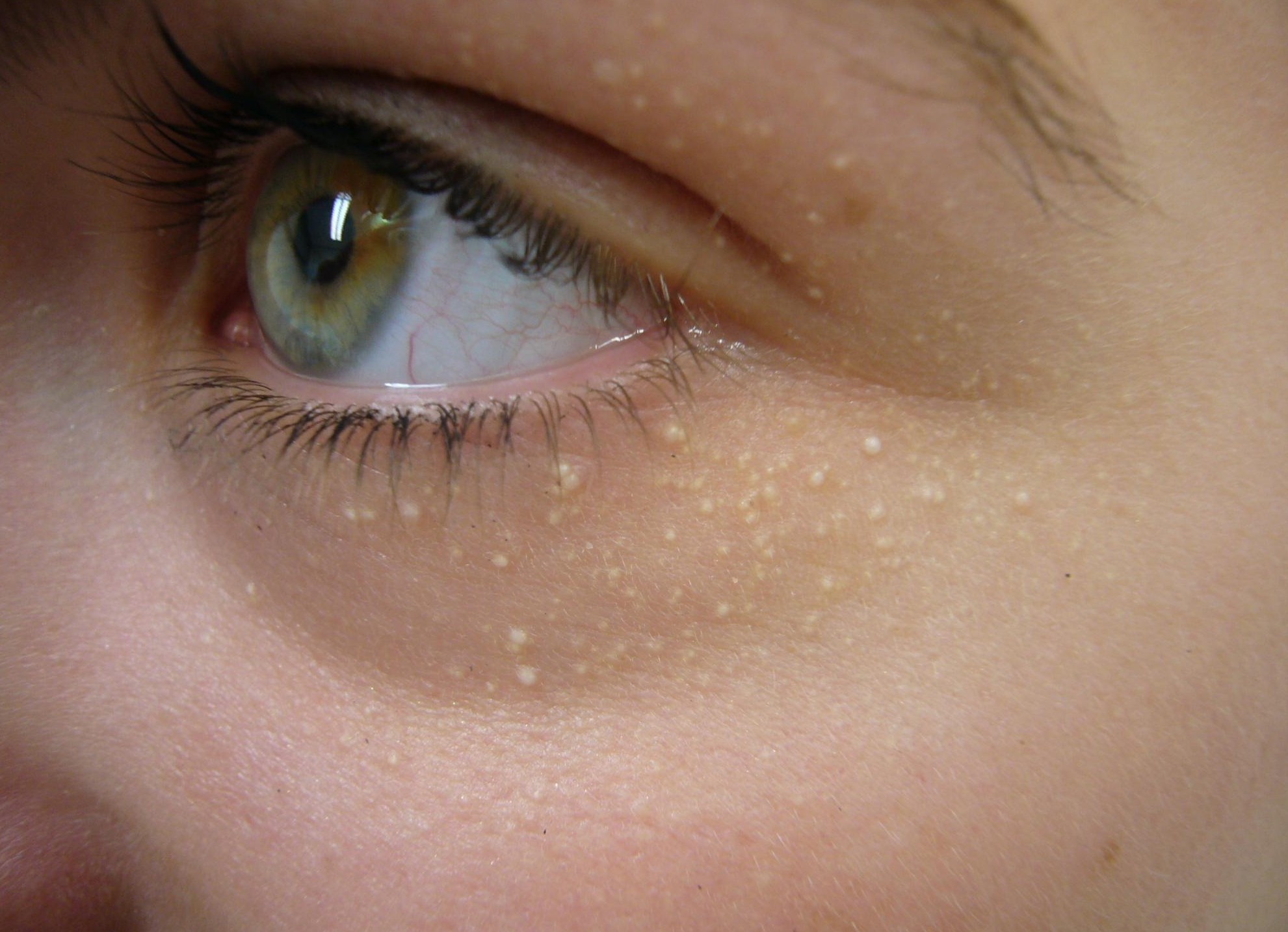
Milia are tiny, white or yellowish bumps that commonly appear on the face, especially around the eyes, cheeks, and nose. While generally harmless, they can be a cosmetic concern for many individuals. Whether you’re considering Milia Treatments in Dubai or elsewhere, one of the primary concerns that often comes up is: Does milia treatment leave any scars? Understanding the causes, treatments, and potential side effects—including scarring—is essential before choosing the best course of action.

Understanding Milia: What Are They?

Milia (singular: milium) are small cysts filled with keratin, a protein found in skin, hair, and nails. They develop when dead skin cells get trapped beneath the surface of the skin instead of being naturally shed. Milia are not pimples, and they don’t form from clogged pores or inflammation like acne does.

There are different types of milia, including:

Primary Milia: Common in infants and adults, appearing for no clear reason.

Secondary Milia: Occur after skin trauma, burns, rashes, or due to use of heavy skincare products.

Multiple Eruptive Milia: Appear suddenly in clusters, often over weeks or months.


Milia Treatment Options

The good news is that milia can be treated through various non-invasive and minimally invasive procedures. Common treatments include:

Manual Extraction

This involves using a sterile needle or blade to create a tiny opening in the skin, followed by gentle extraction of the cyst. This method is typically performed by a dermatologist or skincare specialist.

Topical Retinoids

These vitamin A derivatives help exfoliate the skin and promote cell turnover, which may help in reducing and preventing milia over time.

Chemical Peels

Mild chemical peels with ingredients like glycolic acid or salicylic acid can help exfoliate the upper layers of skin, making it easier for the trapped keratin to be released.

Laser Therapy

For persistent or widespread milia, dermatologists may use targeted laser treatments to vaporize the cysts without damaging the surrounding skin.

Cryotherapy

This method involves freezing the milia with liquid nitrogen. It is more commonly used for secondary milia caused by skin trauma..

Does Milia Treatment Leave Any Scars?

This is a key concern for many individuals considering treatment. Fortunately, most milia treatments do not leave any permanent scars when performed correctly by trained professionals. However, some factors may increase the risk of scarring:

Improper Extraction

DIY removal or unskilled attempts at popping milia can damage the surrounding skin, potentially leading to scarring or post-inflammatory hyperpigmentation.

Aggressive Treatments

Using strong acids, over-exfoliating, or applying harsh topical products may irritate the skin and increase the chances of scarring.

Skin Sensitivity

Individuals with sensitive or darker skin tones may be more prone to post-inflammatory pigmentation, even if the treatment is done correctly.

Underlying Skin Conditions

If you have eczema, rosacea, or acne, your skin may react more severely to treatments, increasing the risk of marks or scars.

Inadequate Aftercare

Failing to follow proper post-treatment care, like avoiding sun exposure, using soothing creams, and not picking at the treated area, can result in scarring.

How to Minimize the Risk of Scarring

The best way to reduce the risk of scarring after milia treatment is to follow these precautions:

Choose Professional Help

Always seek a certified dermatologist or skincare professional for milia removal. They use sterile tools and techniques designed to minimize trauma to the skin.

Don’t Pick or Squeeze

Milia are not pimples and cannot be squeezed out. Trying to do so at home can lead to permanent scarring or even infection.

Use Gentle Products

After treatment, use mild, fragrance-free cleansers and moisturizers to support healing and avoid irritation.

Sun Protection

Wear sunscreen daily to prevent dark spots and protect healing skin from UV damage.

Follow Aftercare Instructions

Post-treatment care often includes applying soothing creams, avoiding makeup for a few days, and not exfoliating until the skin has healed.

Will Everyone Respond the Same Way?

Not everyone’s skin reacts to treatment in the same way. Genetics, age, skin type, and lifestyle habits (like smoking or excessive sun exposure) can all affect healing and the risk of scarring. Some people heal quickly without any signs of intervention, while others may notice slight pigmentation or marks that fade over time.

How Long Does It Take for Skin to Heal?

Healing after milia extraction usually takes a few days to a week, depending on the treatment used and individual skin response. Minor redness or a small scab may form where the milium was removed, but this generally heals with minimal to no trace if properly cared for.

Are There Long-Term Effects?

In most cases, milia treatments do not cause long-term skin issues or scarring. Rarely, a person may notice faint pigmentation changes that gradually fade with time. Consistent use of sunscreen and gentle skincare can help accelerate this fading process.

Final Thoughts

Milia treatment, when done professionally and followed by proper care, rarely causes scarring. The key is not to pick or squeeze these tiny cysts at home and to use gentle, dermatologist-approved methods for removal. Everyone’s skin is different, but with the right approach, you can treat milia safely and effectively while keeping your skin clear and healthy.

Does Milia Treatment Leave Any Scars?

89
2025-04-23 05:34:44

Milia are tiny, white or yellowish bumps that commonly appear on the face, especially around the eyes, cheeks, and nose. While generally harmless, they can be a cosmetic concern for many individuals. Whether you’re considering Milia Treatments in Dubai or elsewhere, one of the primary concerns that often comes up is: Does milia treatment leave any scars? Understanding the causes, treatments, and potential side effects—including scarring—is essential before choosing the best course of action.

Understanding Milia: What Are They?

Milia (singular: milium) are small cysts filled with keratin, a protein found in skin, hair, and nails. They develop when dead skin cells get trapped beneath the surface of the skin instead of being naturally shed. Milia are not pimples, and they don’t form from clogged pores or inflammation like acne does.

There are different types of milia, including:

Primary Milia: Common in infants and adults, appearing for no clear reason.

Secondary Milia: Occur after skin trauma, burns, rashes, or due to use of heavy skincare products.

Multiple Eruptive Milia: Appear suddenly in clusters, often over weeks or months.


Milia Treatment Options

The good news is that milia can be treated through various non-invasive and minimally invasive procedures. Common treatments include:

Manual Extraction

This involves using a sterile needle or blade to create a tiny opening in the skin, followed by gentle extraction of the cyst. This method is typically performed by a dermatologist or skincare specialist.

Topical Retinoids

These vitamin A derivatives help exfoliate the skin and promote cell turnover, which may help in reducing and preventing milia over time.

Chemical Peels

Mild chemical peels with ingredients like glycolic acid or salicylic acid can help exfoliate the upper layers of skin, making it easier for the trapped keratin to be released.

Laser Therapy

For persistent or widespread milia, dermatologists may use targeted laser treatments to vaporize the cysts without damaging the surrounding skin.

Cryotherapy

This method involves freezing the milia with liquid nitrogen. It is more commonly used for secondary milia caused by skin trauma..

Does Milia Treatment Leave Any Scars?

This is a key concern for many individuals considering treatment. Fortunately, most milia treatments do not leave any permanent scars when performed correctly by trained professionals. However, some factors may increase the risk of scarring:

Improper Extraction

DIY removal or unskilled attempts at popping milia can damage the surrounding skin, potentially leading to scarring or post-inflammatory hyperpigmentation.

Aggressive Treatments

Using strong acids, over-exfoliating, or applying harsh topical products may irritate the skin and increase the chances of scarring.

Skin Sensitivity

Individuals with sensitive or darker skin tones may be more prone to post-inflammatory pigmentation, even if the treatment is done correctly.

Underlying Skin Conditions

If you have eczema, rosacea, or acne, your skin may react more severely to treatments, increasing the risk of marks or scars.

Inadequate Aftercare

Failing to follow proper post-treatment care, like avoiding sun exposure, using soothing creams, and not picking at the treated area, can result in scarring.

How to Minimize the Risk of Scarring

The best way to reduce the risk of scarring after milia treatment is to follow these precautions:

Choose Professional Help

Always seek a certified dermatologist or skincare professional for milia removal. They use sterile tools and techniques designed to minimize trauma to the skin.

Don’t Pick or Squeeze

Milia are not pimples and cannot be squeezed out. Trying to do so at home can lead to permanent scarring or even infection.

Use Gentle Products

After treatment, use mild, fragrance-free cleansers and moisturizers to support healing and avoid irritation.

Sun Protection

Wear sunscreen daily to prevent dark spots and protect healing skin from UV damage.

Follow Aftercare Instructions

Post-treatment care often includes applying soothing creams, avoiding makeup for a few days, and not exfoliating until the skin has healed.

Will Everyone Respond the Same Way?

Not everyone’s skin reacts to treatment in the same way. Genetics, age, skin type, and lifestyle habits (like smoking or excessive sun exposure) can all affect healing and the risk of scarring. Some people heal quickly without any signs of intervention, while others may notice slight pigmentation or marks that fade over time.

How Long Does It Take for Skin to Heal?

Healing after milia extraction usually takes a few days to a week, depending on the treatment used and individual skin response. Minor redness or a small scab may form where the milium was removed, but this generally heals with minimal to no trace if properly cared for.

Are There Long-Term Effects?

In most cases, milia treatments do not cause long-term skin issues or scarring. Rarely, a person may notice faint pigmentation changes that gradually fade with time. Consistent use of sunscreen and gentle skincare can help accelerate this fading process.

Final Thoughts

Milia treatment, when done professionally and followed by proper care, rarely causes scarring. The key is not to pick or squeeze these tiny cysts at home and to use gentle, dermatologist-approved methods for removal. Everyone’s skin is different, but with the right approach, you can treat milia safely and effectively while keeping your skin clear and healthy.

Comments

Recommended

Does Wegovy Injections Really Curb Cravings?
VIPON_471744284214
57
How Does Laser Skin Tightening Work on Arms?
VIPON_471744284214
25
Is Zepbound Linked to Hormonal Changes?
VIPON_471744284214
32
Download Vipon App to get great deals now!
...
Amazon Coupons Loading…