Amazon Coupons
Vipon > V Show > Is Keloid Treatment Safe for All Skin Types? Share great deals & products and save together.

Is Keloid Treatment Safe for All Skin Types?

2025-04-23 06:25:05
Report

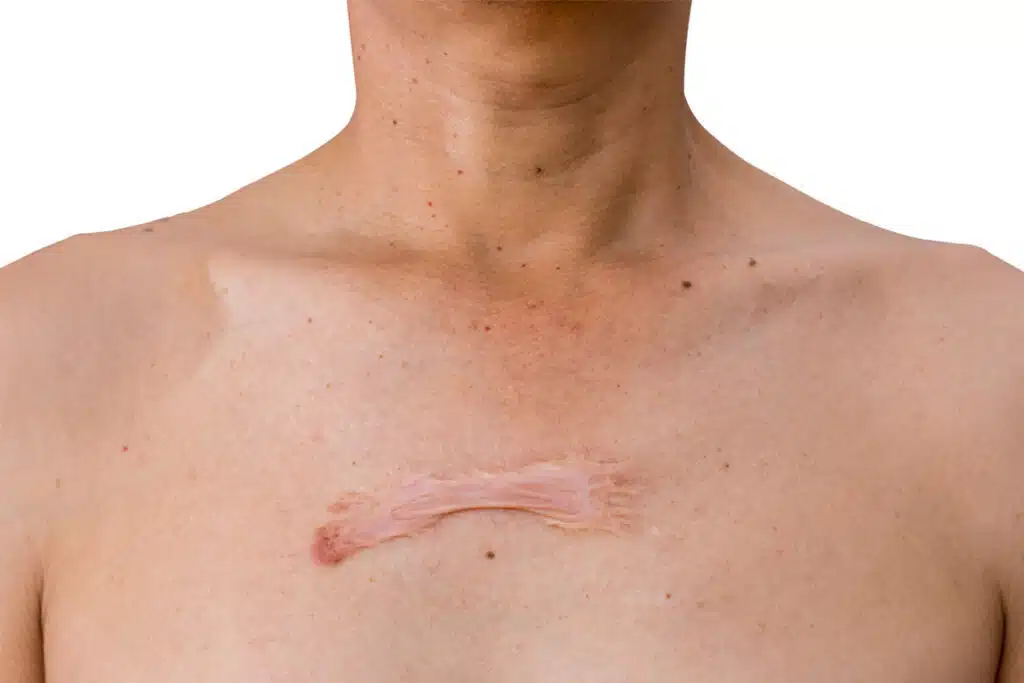
Keloids are thick, raised scars that form due to an overproduction of collagen during the healing process. Unlike regular scars, keloids grow beyond the original wound area and can continue to expand over time. While they are not dangerous, they can cause physical discomfort, itching, and cosmetic concerns.For individuals living in cosmopolitan regions with diverse populations—such as those seeking Keloid Treatment in Dubai—understanding how keloid therapies interact with various skin types is essential. Different skin tones and textures respond differently to treatments, so safety and efficacy depend on a tailored approach.

Understanding Keloids

Keloids occur when the body’s natural wound healing process becomes overly aggressive. Instead of halting collagen production when the skin heals, the body continues to generate collagen, leading to a dense, fibrous growth. They may develop after:

Surgery

Acne

Piercings

Burns

Cuts or lacerations


Common Keloid Treatments

A variety of treatment options are available to help flatten, reduce, or remove keloids. These include:

Corticosteroid Injections

These are often the first line of treatment. Steroid injections help reduce inflammation and soften the scar tissue over time. Repeated sessions may be needed.

Silicone Gel Sheets

Silicone dressings can help flatten keloids over a period of months. They are non-invasive and often recommended for newer scars.

Cryotherapy

Involves freezing the keloid tissue with liquid nitrogen. It is more effective on smaller keloids and is sometimes used in combination with steroid injections.

Laser Therapy

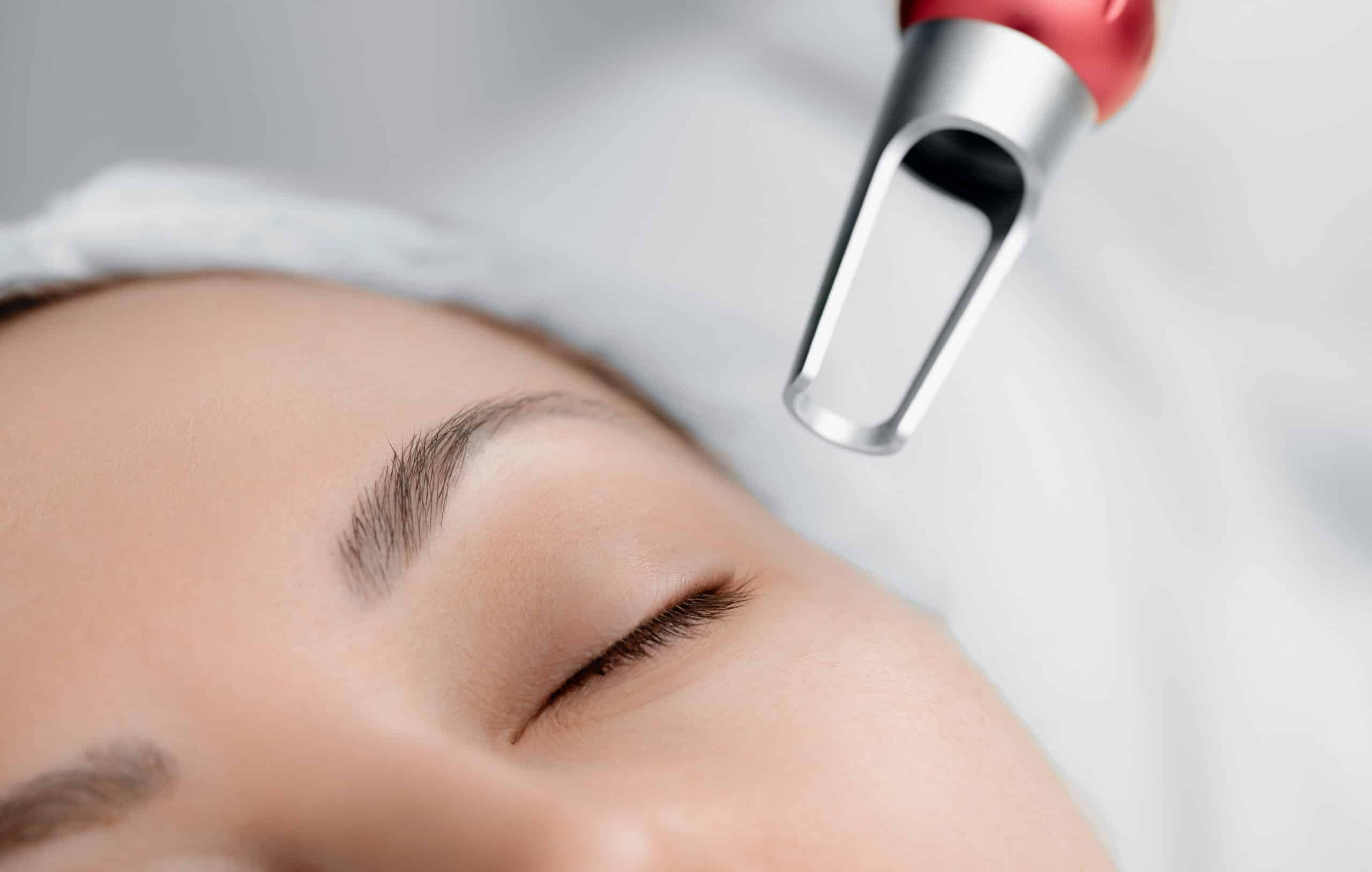
Pulsed-dye lasers can help reduce the redness and size of keloids. Laser therapy is often used alongside other treatments for improved results.

Surgical Removal

This method is risky, as cutting out a keloid may result in an even larger one forming unless combined with other post-surgical therapies like radiation or steroid injections.

How Skin Type Affects Treatment

The safety and effectiveness of keloid treatment can vary significantly based on skin type. Dermatologists often refer to the Fitzpatrick Skin Type Scale, which classifies skin into six types based on how it responds to UV exposure:

Type I – Very fair skin, always burns, never tans

Type II – Fair skin, usually burns, tans minimally

Type III – Medium skin, sometimes mild burn, gradually tans

Type IV – Olive skin, rarely burns, tans easily

Type V – Brown skin, very rarely burns, tans very easily

Treatment Safety by Method

Let’s evaluate how different treatments fare across various skin types:

Corticosteroid Injections

Safe for all skin types. However, repeated use in darker skin may cause localized skin lightening.

Silicone Gel Sheets

Very safe and non-invasive, with no risk of pigmentation changes. Suitable for all skin tones and types.

Cryotherapy

Moderately safe. Cryotherapy may cause hypopigmentation (loss of skin color) in darker skin tones. Care must be taken with application depth and duration.

Laser Therapy

Variable safety. Lasers must be selected and calibrated according to skin type. While effective, darker skin types are at higher risk of pigmentation changes if incorrect laser settings are used.

Surgical Removal

Risky, especially for darker skin. Without proper aftercare, recurrence is likely. Always combined with adjunct therapies.

Radiation Therapy

Controversial. Not routinely recommended for all, particularly young patients or those concerned about radiation exposure. Should only be performed by specialists.

Importance of Custom Treatment Plans

No single treatment works for everyone. The most effective approach often involves a combination of therapies customized for the individual's skin type, keloid size, and location. Factors influencing treatment plans include:

Keloid age and size

Skin pigmentation

History of keloid recurrence

Personal preferences regarding invasiveness

Preventive Measures for High-Risk Individuals

While not all keloids can be prevented, there are strategies to reduce the risk:

Avoid unnecessary skin trauma: Minimize piercings, tattoos, and elective surgeries.

Treat acne early: Reduces chances of scarring.

Use silicone sheets or gels on healing wounds to manage collagen growth.

Prompt wound care: Proper cleaning and moisturizing help reduce inflammation and scarring.

Final Thoughts

So, is keloid treatment safe for all skin types? The answer is yes—with proper care, customization, and expert supervision. However, not all treatments are equally safe for every individual. Skin tone, texture, and genetic predispositions all play a role in determining which therapies are appropriate.

Is Keloid Treatment Safe for All Skin Types?

83
2025-04-23 06:25:05

Keloids are thick, raised scars that form due to an overproduction of collagen during the healing process. Unlike regular scars, keloids grow beyond the original wound area and can continue to expand over time. While they are not dangerous, they can cause physical discomfort, itching, and cosmetic concerns.For individuals living in cosmopolitan regions with diverse populations—such as those seeking Keloid Treatment in Dubai—understanding how keloid therapies interact with various skin types is essential. Different skin tones and textures respond differently to treatments, so safety and efficacy depend on a tailored approach.

Understanding Keloids

Keloids occur when the body’s natural wound healing process becomes overly aggressive. Instead of halting collagen production when the skin heals, the body continues to generate collagen, leading to a dense, fibrous growth. They may develop after:

Surgery

Acne

Piercings

Burns

Cuts or lacerations


Common Keloid Treatments

A variety of treatment options are available to help flatten, reduce, or remove keloids. These include:

Corticosteroid Injections

These are often the first line of treatment. Steroid injections help reduce inflammation and soften the scar tissue over time. Repeated sessions may be needed.

Silicone Gel Sheets

Silicone dressings can help flatten keloids over a period of months. They are non-invasive and often recommended for newer scars.

Cryotherapy

Involves freezing the keloid tissue with liquid nitrogen. It is more effective on smaller keloids and is sometimes used in combination with steroid injections.

Laser Therapy

Pulsed-dye lasers can help reduce the redness and size of keloids. Laser therapy is often used alongside other treatments for improved results.

Surgical Removal

This method is risky, as cutting out a keloid may result in an even larger one forming unless combined with other post-surgical therapies like radiation or steroid injections.

How Skin Type Affects Treatment

The safety and effectiveness of keloid treatment can vary significantly based on skin type. Dermatologists often refer to the Fitzpatrick Skin Type Scale, which classifies skin into six types based on how it responds to UV exposure:

Type I – Very fair skin, always burns, never tans

Type II – Fair skin, usually burns, tans minimally

Type III – Medium skin, sometimes mild burn, gradually tans

Type IV – Olive skin, rarely burns, tans easily

Type V – Brown skin, very rarely burns, tans very easily

Treatment Safety by Method

Let’s evaluate how different treatments fare across various skin types:

Corticosteroid Injections

Safe for all skin types. However, repeated use in darker skin may cause localized skin lightening.

Silicone Gel Sheets

Very safe and non-invasive, with no risk of pigmentation changes. Suitable for all skin tones and types.

Cryotherapy

Moderately safe. Cryotherapy may cause hypopigmentation (loss of skin color) in darker skin tones. Care must be taken with application depth and duration.

Laser Therapy

Variable safety. Lasers must be selected and calibrated according to skin type. While effective, darker skin types are at higher risk of pigmentation changes if incorrect laser settings are used.

Surgical Removal

Risky, especially for darker skin. Without proper aftercare, recurrence is likely. Always combined with adjunct therapies.

Radiation Therapy

Controversial. Not routinely recommended for all, particularly young patients or those concerned about radiation exposure. Should only be performed by specialists.

Importance of Custom Treatment Plans

No single treatment works for everyone. The most effective approach often involves a combination of therapies customized for the individual's skin type, keloid size, and location. Factors influencing treatment plans include:

Keloid age and size

Skin pigmentation

History of keloid recurrence

Personal preferences regarding invasiveness

Preventive Measures for High-Risk Individuals

While not all keloids can be prevented, there are strategies to reduce the risk:

Avoid unnecessary skin trauma: Minimize piercings, tattoos, and elective surgeries.

Treat acne early: Reduces chances of scarring.

Use silicone sheets or gels on healing wounds to manage collagen growth.

Prompt wound care: Proper cleaning and moisturizing help reduce inflammation and scarring.

Final Thoughts

So, is keloid treatment safe for all skin types? The answer is yes—with proper care, customization, and expert supervision. However, not all treatments are equally safe for every individual. Skin tone, texture, and genetic predispositions all play a role in determining which therapies are appropriate.

Comments

Recommended

Does Pico Laser Treatment Work for Wrinkles?
VIPON_511744263502
50
How Painful Are Jawline Contouring Injections?
VIPON_511744263502
33
What Does Sculptra Fillers Do for the Skin?
VIPON_511744263502
39
Download Vipon App to get great deals now!
...
Amazon Coupons Loading…