Amazon Coupons
Vipon > V Show > What Orthodontists Say About Clear Aligners vs. Traditional Braces Share great deals & products and save together.

What Orthodontists Say About Clear Aligners vs. Traditional Braces

2025-06-27 00:20:38
Report

The decision between clear aligners and traditional braces is one many patients face when starting orthodontic treatment. Both options can effectively straighten teeth and correct bite issues, but they differ in appearance, comfort, and suitability depending on the case. Orthodontists in Dubai often guide patients through the pros and cons of each system based on individual needs, lifestyle, and treatment goals. Understanding what professionals say about both options can help patients make more informed and confident decisions.


Aesthetics and Visibility:

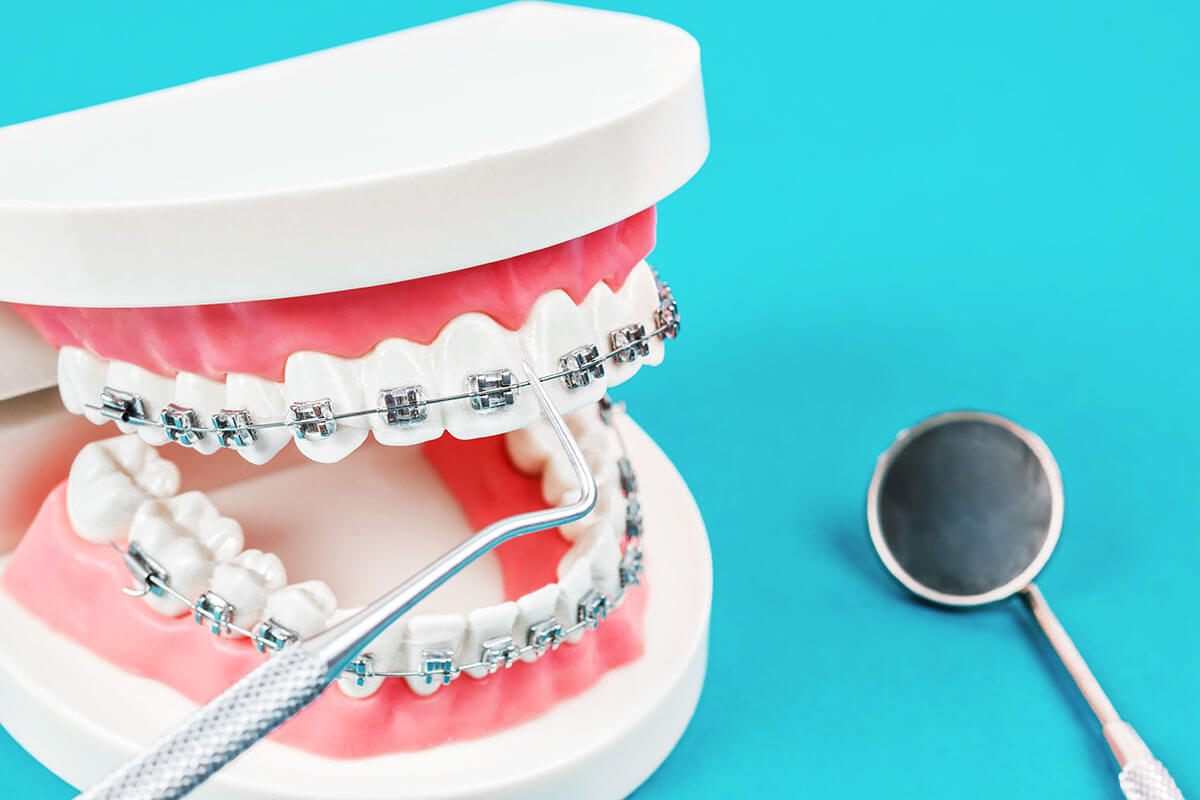
One of the biggest reasons patients choose clear aligners is for their discreet appearance. Made of transparent plastic, aligners are nearly invisible when worn, making them a preferred option for adults and teens who are concerned about the look of metal braces. Traditional braces, with their visible brackets and wires, are more noticeable, though options like ceramic brackets can reduce their visibility. Orthodontists recognize that appearance plays a significant role in patient satisfaction, especially in social or professional environments.

Comfort and Irritation:

Clear aligners tend to be more comfortable because they are smooth and custom-molded to the patient’s teeth. There are no metal components to irritate the cheeks or tongue. Traditional braces, on the other hand, can cause soreness or irritation, particularly after adjustments or if a wire pokes the soft tissue. However, orthodontists often point out that discomfort from either system usually diminishes after the initial adjustment period and can be managed with orthodontic wax and over-the-counter pain relief.

Treatment Complexity:

While clear aligners are effective for many cases, traditional braces are often recommended for more complex dental issues. Severe crowding, large gaps, impacted teeth, or significant bite problems like underbites or crossbites may require the greater control that braces provide. Orthodontists emphasize that fixed braces allow for precise tooth movements, especially when multiple teeth need to move in coordination. Aligners are improving in this area, but braces still offer the most control for challenging cases.

Oral Hygiene and Maintenance:

Maintaining oral hygiene is generally easier with clear aligners since they are removable. Patients can brush and floss normally without working around brackets and wires. In contrast, braces require extra effort to clean thoroughly, including the use of special brushes and floss threaders to remove plaque and food particles. Orthodontists stress the importance of hygiene with both options, but they often note that aligner patients tend to have an easier time avoiding cavities and gum inflammation during treatment.

Eating and Food Restrictions:

Clear aligners must be removed before eating, which allows patients to enjoy all types of food without worrying about damaging orthodontic hardware. Traditional braces, however, come with dietary restrictions—sticky, hard, or crunchy foods can dislodge brackets or break wires. Orthodontists in Dubai frequently counsel patients on food choices with braces and emphasize the importance of following guidelines to prevent delays or damage to the treatment progress.

Compliance and Responsibility:

One of the key differences between aligners and braces is responsibility. Clear aligners require consistent wear—usually 20 to 22 hours a day—to be effective. They must be removed for eating and drinking anything other than water and then cleaned before being placed back in. This system demands discipline, especially for teens. Orthodontists often remind patients that the success of aligner treatment is highly dependent on compliance. In contrast, braces are fixed in place and require less daily responsibility but more frequent in-office adjustments.

Duration of Treatment:

Both treatment options can achieve results in similar timeframes, depending on the case. Clear aligners are typically used for shorter, moderate cases and can sometimes deliver results more quickly for minor corrections. Braces may take longer for complex cases but offer more versatility in achieving advanced movements. Orthodontists evaluate the estimated treatment length based on the patient’s unique situation, but they emphasize that long-term stability is more important than speed.

Cost Considerations:

Cost can vary between aligners and braces depending on the length and complexity of the treatment. Clear aligners may be slightly more expensive in some cases, particularly when multiple aligner sets or refinements are required. However, orthodontists clarify that pricing differences have narrowed over time, and both options are often comparable. Many orthodontic clinics offer flexible payment plans, and Orthodontists in Dubai typically provide cost breakdowns during the initial consultation to help patients make an informed decision.

Follow-Up and Adjustments:

Braces require more frequent in-person visits for tightening and monitoring, usually every 4 to 6 weeks. Clear aligners, on the other hand, often involve fewer office visits, and in some practices, remote check-ins using digital scans are available. This makes aligners appealing for busy professionals or patients with demanding schedules. Orthodontists point out, however, that regardless of the system, regular monitoring is essential to ensure that treatment stays on track and adjustments are made when needed.

Retention After Treatment:

Whether a patient chooses aligners or braces, retention is a critical part of maintaining the results. Orthodontists stress that teeth will naturally shift back to their original positions without proper retention. Retainers—either removable or fixed—are prescribed at the end of treatment for both methods. The key difference is that aligner patients may already be used to the discipline of wearing removable appliances, which can make transitioning to retainers smoother.

Final Thoughts:

Clear aligners and traditional braces each have their advantages, and the best choice depends on the patient’s orthodontic needs, lifestyle, and personal preferences. Orthodontists in Dubai emphasize that both systems are effective when used correctly and under professional supervision. By understanding the unique benefits and limitations of each option, patients can feel empowered to choose the treatment that aligns with their goals, comfort, and daily routine. The end result—an aligned, healthy smile—is achievable no matter which path is taken, as long as it’s guided by expert care and consistent follow-through.

What Orthodontists Say About Clear Aligners vs. Traditional Braces

4
2025-06-27 00:20:38

The decision between clear aligners and traditional braces is one many patients face when starting orthodontic treatment. Both options can effectively straighten teeth and correct bite issues, but they differ in appearance, comfort, and suitability depending on the case. Orthodontists in Dubai often guide patients through the pros and cons of each system based on individual needs, lifestyle, and treatment goals. Understanding what professionals say about both options can help patients make more informed and confident decisions.


Aesthetics and Visibility:

One of the biggest reasons patients choose clear aligners is for their discreet appearance. Made of transparent plastic, aligners are nearly invisible when worn, making them a preferred option for adults and teens who are concerned about the look of metal braces. Traditional braces, with their visible brackets and wires, are more noticeable, though options like ceramic brackets can reduce their visibility. Orthodontists recognize that appearance plays a significant role in patient satisfaction, especially in social or professional environments.

Comfort and Irritation:

Clear aligners tend to be more comfortable because they are smooth and custom-molded to the patient’s teeth. There are no metal components to irritate the cheeks or tongue. Traditional braces, on the other hand, can cause soreness or irritation, particularly after adjustments or if a wire pokes the soft tissue. However, orthodontists often point out that discomfort from either system usually diminishes after the initial adjustment period and can be managed with orthodontic wax and over-the-counter pain relief.

Treatment Complexity:

While clear aligners are effective for many cases, traditional braces are often recommended for more complex dental issues. Severe crowding, large gaps, impacted teeth, or significant bite problems like underbites or crossbites may require the greater control that braces provide. Orthodontists emphasize that fixed braces allow for precise tooth movements, especially when multiple teeth need to move in coordination. Aligners are improving in this area, but braces still offer the most control for challenging cases.

Oral Hygiene and Maintenance:

Maintaining oral hygiene is generally easier with clear aligners since they are removable. Patients can brush and floss normally without working around brackets and wires. In contrast, braces require extra effort to clean thoroughly, including the use of special brushes and floss threaders to remove plaque and food particles. Orthodontists stress the importance of hygiene with both options, but they often note that aligner patients tend to have an easier time avoiding cavities and gum inflammation during treatment.

Eating and Food Restrictions:

Clear aligners must be removed before eating, which allows patients to enjoy all types of food without worrying about damaging orthodontic hardware. Traditional braces, however, come with dietary restrictions—sticky, hard, or crunchy foods can dislodge brackets or break wires. Orthodontists in Dubai frequently counsel patients on food choices with braces and emphasize the importance of following guidelines to prevent delays or damage to the treatment progress.

Compliance and Responsibility:

One of the key differences between aligners and braces is responsibility. Clear aligners require consistent wear—usually 20 to 22 hours a day—to be effective. They must be removed for eating and drinking anything other than water and then cleaned before being placed back in. This system demands discipline, especially for teens. Orthodontists often remind patients that the success of aligner treatment is highly dependent on compliance. In contrast, braces are fixed in place and require less daily responsibility but more frequent in-office adjustments.

Duration of Treatment:

Both treatment options can achieve results in similar timeframes, depending on the case. Clear aligners are typically used for shorter, moderate cases and can sometimes deliver results more quickly for minor corrections. Braces may take longer for complex cases but offer more versatility in achieving advanced movements. Orthodontists evaluate the estimated treatment length based on the patient’s unique situation, but they emphasize that long-term stability is more important than speed.

Cost Considerations:

Cost can vary between aligners and braces depending on the length and complexity of the treatment. Clear aligners may be slightly more expensive in some cases, particularly when multiple aligner sets or refinements are required. However, orthodontists clarify that pricing differences have narrowed over time, and both options are often comparable. Many orthodontic clinics offer flexible payment plans, and Orthodontists in Dubai typically provide cost breakdowns during the initial consultation to help patients make an informed decision.

Follow-Up and Adjustments:

Braces require more frequent in-person visits for tightening and monitoring, usually every 4 to 6 weeks. Clear aligners, on the other hand, often involve fewer office visits, and in some practices, remote check-ins using digital scans are available. This makes aligners appealing for busy professionals or patients with demanding schedules. Orthodontists point out, however, that regardless of the system, regular monitoring is essential to ensure that treatment stays on track and adjustments are made when needed.

Retention After Treatment:

Whether a patient chooses aligners or braces, retention is a critical part of maintaining the results. Orthodontists stress that teeth will naturally shift back to their original positions without proper retention. Retainers—either removable or fixed—are prescribed at the end of treatment for both methods. The key difference is that aligner patients may already be used to the discipline of wearing removable appliances, which can make transitioning to retainers smoother.

Final Thoughts:

Clear aligners and traditional braces each have their advantages, and the best choice depends on the patient’s orthodontic needs, lifestyle, and personal preferences. Orthodontists in Dubai emphasize that both systems are effective when used correctly and under professional supervision. By understanding the unique benefits and limitations of each option, patients can feel empowered to choose the treatment that aligns with their goals, comfort, and daily routine. The end result—an aligned, healthy smile—is achievable no matter which path is taken, as long as it’s guided by expert care and consistent follow-through.

Comments

Recommended

Teeth Whitening 101: Methods, Benefits, and Side Effects
Dentalclinicdubai
1
Where to Buy Dental Headgear Accessories and Replacement Parts
Dentalclinicdubai
4
Can Overlapping Teeth Be Fixed Without Braces?
Dentalclinicdubai
2
Download Vipon App to get great deals now!
...
Amazon Coupons Loading…