Amazon Coupons
Vipon > V Show > How Diet Affects Your Teeth Whitening Results Share great deals & products and save together.

How Diet Affects Your Teeth Whitening Results

2025-07-02 00:09:05
Report

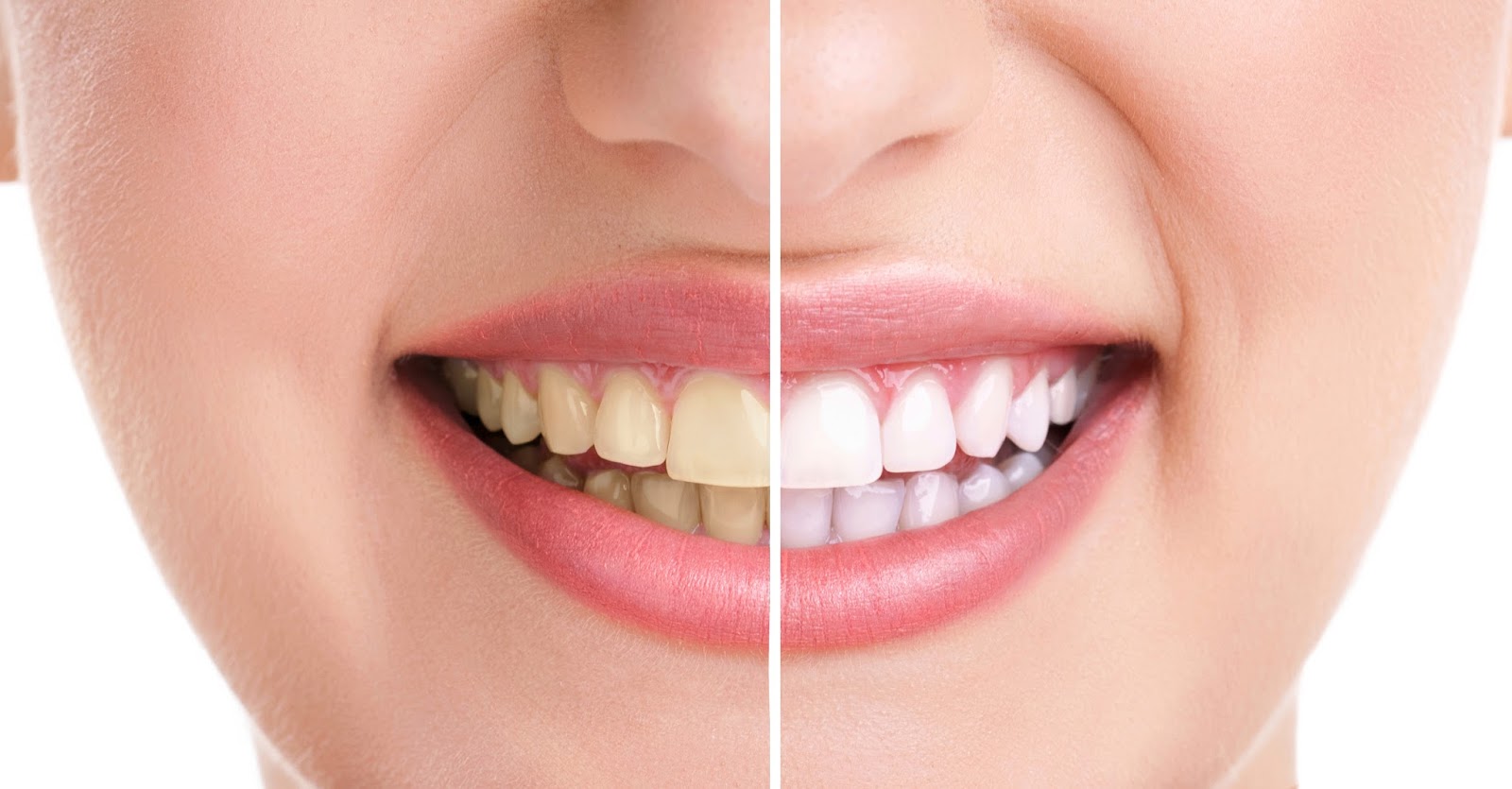
A bright smile doesn't end with the whitening treatment—it continues with what you eat afterward. Many individuals seeking Teeth Whitening in Dubai often overlook the role of diet in maintaining those results. In fact, certain foods and drinks can either support or sabotage your whitening efforts. Understanding how your dietary choices interact with your teeth is essential to keeping your smile radiant long after the initial procedure.


Foods That Stain Your Teeth:

Certain foods and beverages contain pigments and acids that can discolor enamel. These substances settle into the porous surface of your teeth, reversing whitening effects over time.

Common culprits include:

  • Coffee and black tea

  • Red wine and grape juice

  • Berries (like blueberries, raspberries, blackberries)

  • Tomato-based sauces and curry

  • Soy sauce and balsamic vinegar

  • Beets and pomegranates

To preserve your whitened teeth, limit these items or rinse your mouth with water after consuming them.

How Acidic Foods Erode Enamel:

Acidic foods and drinks weaken enamel, making your teeth more susceptible to staining. The erosion also thins enamel, revealing the yellow dentin underneath and dulling your overall appearance.

Examples of acidic items include:

  • Citrus fruits (lemons, oranges, grapefruits)

  • Soft drinks and energy drinks

  • Vinegar and pickled foods

  • Carbonated water with added flavoring

  • Wine and sports drinks

If you enjoy these foods, try using a straw for drinks and avoid brushing immediately after eating to prevent further enamel wear.

Foods That Help Maintain Whiteness:

Some foods naturally cleanse teeth and support enamel health. These items can help extend the longevity of your whitening results.

Whitening-friendly options:

  • Apples and carrots (stimulate saliva and gently scrub teeth)

  • Celery and cucumbers (high in water and fiber)

  • Cheese and yogurt (rich in calcium, neutralize acids)

  • Strawberries (contain malic acid, a gentle whitening agent)

  • Nuts and seeds (mildly abrasive and stimulate saliva)

Incorporating these into your regular diet promotes not only oral health but also a brighter smile.

The Role of Saliva in Whitening Retention:

Saliva plays a key role in neutralizing acids, remineralizing enamel, and washing away food particles. A healthy flow of saliva can prevent staining and enamel erosion, which is crucial after teeth whitening.

To stimulate saliva:

  • Chew sugar-free gum

  • Stay hydrated throughout the day

  • Include fibrous fruits and vegetables in meals

  • Avoid tobacco and limit alcohol

Dry mouth, often caused by medications or dehydration, can hinder your efforts to maintain whitened teeth.

How Sugar Impacts Whitening Results:

Sugary foods and beverages feed the bacteria in your mouth, producing acids that attack your enamel. Over time, this weakens your teeth and increases their vulnerability to staining and discoloration.

Foods to consume sparingly:

  • Candy and chocolate

  • Soda and sweetened teas

  • Pastries and cookies

  • Flavored yogurts and cereals

  • Fruit juices with added sugar

Opt for natural sweeteners or low-sugar alternatives when possible, and brush your teeth after consuming sugar.

Timing Your Meals After Whitening:

Right after whitening, your enamel may be more porous and sensitive. This makes your teeth more prone to absorbing stains from food and drink. What you eat in the first 48 hours post-treatment can significantly affect your results.

Best post-whitening practices:

  • Stick to a “white diet”: rice, chicken, cauliflower, bananas, milk, and plain pasta

  • Avoid colored sauces, acidic drinks, and dark fruits

  • Choose room-temperature foods to avoid temperature-related sensitivity

  • Rinse your mouth with water after every meal

Following a careful diet during this period will lock in your whitening benefits more effectively.

Supplements and Vitamins That Support Oral Health:

Certain nutrients strengthen enamel and reduce sensitivity, making your teeth more resistant to future discoloration. A balanced diet rich in essential vitamins can complement your whitening efforts.

Key vitamins and minerals include:

  • Calcium: Strengthens enamel (found in dairy, leafy greens)

  • Vitamin D: Aids calcium absorption (sunlight, eggs, fortified milk)

  • Phosphorus: Supports enamel structure (nuts, fish, meat)

  • Vitamin C: Promotes gum health (citrus fruits, peppers)

  • Magnesium: Essential for overall tooth integrity (whole grains, legumes)

Speak with a healthcare provider if you suspect nutritional deficiencies that could be affecting your oral health.

Eating Habits to Avoid:

Beyond specific foods, certain eating habits can increase your risk of staining and sensitivity, especially after whitening. Being mindful of how you eat can help extend your results.

Habits to watch out for:

  • Grazing or snacking frequently throughout the day

  • Swishing dark liquids like coffee or soda in your mouth

  • Using teeth to chew hard objects or ice

  • Eating right before bed without brushing

  • Skipping water while eating staining foods

Changing these behaviors can lead to long-term improvements in both color and overall dental health.

Professional Advice and Diet Customization:

Every mouth is different, and diet can affect individuals in unique ways. When undergoing Teeth Whitening in Dubai, many dental clinics offer customized aftercare and dietary guidance based on your enamel condition and lifestyle.

What a dentist may recommend:

  • A post-whitening diet plan tailored to your needs

  • Guidance on safe whitening frequency based on your eating habits

  • Suggestions for desensitizing products if needed

  • Nutritional advice to support enamel repair and oral balance

Relying on expert input ensures you're not undermining your whitening investment through everyday dietary choices.

Final Thoughts:

Teeth whitening isn’t just about what happens in the dental chair—it’s about the decisions you make afterward. Your diet plays a pivotal role in maintaining those bright results and preventing new stains. Whether you're fresh off a treatment or planning to get Teeth Whitening in Dubai, aligning your food and beverage choices with your dental goals will help you enjoy a radiant smile for longer. Make smart choices daily, and let your diet be a partner—not a problem—in your whitening journey.

How Diet Affects Your Teeth Whitening Results

4
2025-07-02 00:09:05

A bright smile doesn't end with the whitening treatment—it continues with what you eat afterward. Many individuals seeking Teeth Whitening in Dubai often overlook the role of diet in maintaining those results. In fact, certain foods and drinks can either support or sabotage your whitening efforts. Understanding how your dietary choices interact with your teeth is essential to keeping your smile radiant long after the initial procedure.


Foods That Stain Your Teeth:

Certain foods and beverages contain pigments and acids that can discolor enamel. These substances settle into the porous surface of your teeth, reversing whitening effects over time.

Common culprits include:

  • Coffee and black tea

  • Red wine and grape juice

  • Berries (like blueberries, raspberries, blackberries)

  • Tomato-based sauces and curry

  • Soy sauce and balsamic vinegar

  • Beets and pomegranates

To preserve your whitened teeth, limit these items or rinse your mouth with water after consuming them.

How Acidic Foods Erode Enamel:

Acidic foods and drinks weaken enamel, making your teeth more susceptible to staining. The erosion also thins enamel, revealing the yellow dentin underneath and dulling your overall appearance.

Examples of acidic items include:

  • Citrus fruits (lemons, oranges, grapefruits)

  • Soft drinks and energy drinks

  • Vinegar and pickled foods

  • Carbonated water with added flavoring

  • Wine and sports drinks

If you enjoy these foods, try using a straw for drinks and avoid brushing immediately after eating to prevent further enamel wear.

Foods That Help Maintain Whiteness:

Some foods naturally cleanse teeth and support enamel health. These items can help extend the longevity of your whitening results.

Whitening-friendly options:

  • Apples and carrots (stimulate saliva and gently scrub teeth)

  • Celery and cucumbers (high in water and fiber)

  • Cheese and yogurt (rich in calcium, neutralize acids)

  • Strawberries (contain malic acid, a gentle whitening agent)

  • Nuts and seeds (mildly abrasive and stimulate saliva)

Incorporating these into your regular diet promotes not only oral health but also a brighter smile.

The Role of Saliva in Whitening Retention:

Saliva plays a key role in neutralizing acids, remineralizing enamel, and washing away food particles. A healthy flow of saliva can prevent staining and enamel erosion, which is crucial after teeth whitening.

To stimulate saliva:

  • Chew sugar-free gum

  • Stay hydrated throughout the day

  • Include fibrous fruits and vegetables in meals

  • Avoid tobacco and limit alcohol

Dry mouth, often caused by medications or dehydration, can hinder your efforts to maintain whitened teeth.

How Sugar Impacts Whitening Results:

Sugary foods and beverages feed the bacteria in your mouth, producing acids that attack your enamel. Over time, this weakens your teeth and increases their vulnerability to staining and discoloration.

Foods to consume sparingly:

  • Candy and chocolate

  • Soda and sweetened teas

  • Pastries and cookies

  • Flavored yogurts and cereals

  • Fruit juices with added sugar

Opt for natural sweeteners or low-sugar alternatives when possible, and brush your teeth after consuming sugar.

Timing Your Meals After Whitening:

Right after whitening, your enamel may be more porous and sensitive. This makes your teeth more prone to absorbing stains from food and drink. What you eat in the first 48 hours post-treatment can significantly affect your results.

Best post-whitening practices:

  • Stick to a “white diet”: rice, chicken, cauliflower, bananas, milk, and plain pasta

  • Avoid colored sauces, acidic drinks, and dark fruits

  • Choose room-temperature foods to avoid temperature-related sensitivity

  • Rinse your mouth with water after every meal

Following a careful diet during this period will lock in your whitening benefits more effectively.

Supplements and Vitamins That Support Oral Health:

Certain nutrients strengthen enamel and reduce sensitivity, making your teeth more resistant to future discoloration. A balanced diet rich in essential vitamins can complement your whitening efforts.

Key vitamins and minerals include:

  • Calcium: Strengthens enamel (found in dairy, leafy greens)

  • Vitamin D: Aids calcium absorption (sunlight, eggs, fortified milk)

  • Phosphorus: Supports enamel structure (nuts, fish, meat)

  • Vitamin C: Promotes gum health (citrus fruits, peppers)

  • Magnesium: Essential for overall tooth integrity (whole grains, legumes)

Speak with a healthcare provider if you suspect nutritional deficiencies that could be affecting your oral health.

Eating Habits to Avoid:

Beyond specific foods, certain eating habits can increase your risk of staining and sensitivity, especially after whitening. Being mindful of how you eat can help extend your results.

Habits to watch out for:

  • Grazing or snacking frequently throughout the day

  • Swishing dark liquids like coffee or soda in your mouth

  • Using teeth to chew hard objects or ice

  • Eating right before bed without brushing

  • Skipping water while eating staining foods

Changing these behaviors can lead to long-term improvements in both color and overall dental health.

Professional Advice and Diet Customization:

Every mouth is different, and diet can affect individuals in unique ways. When undergoing Teeth Whitening in Dubai, many dental clinics offer customized aftercare and dietary guidance based on your enamel condition and lifestyle.

What a dentist may recommend:

  • A post-whitening diet plan tailored to your needs

  • Guidance on safe whitening frequency based on your eating habits

  • Suggestions for desensitizing products if needed

  • Nutritional advice to support enamel repair and oral balance

Relying on expert input ensures you're not undermining your whitening investment through everyday dietary choices.

Final Thoughts:

Teeth whitening isn’t just about what happens in the dental chair—it’s about the decisions you make afterward. Your diet plays a pivotal role in maintaining those bright results and preventing new stains. Whether you're fresh off a treatment or planning to get Teeth Whitening in Dubai, aligning your food and beverage choices with your dental goals will help you enjoy a radiant smile for longer. Make smart choices daily, and let your diet be a partner—not a problem—in your whitening journey.

Comments

Recommended

Teeth Whitening 101: Methods, Benefits, and Side Effects
Dentalclinicdubai
1
Where to Buy Dental Headgear Accessories and Replacement Parts
Dentalclinicdubai
4
Can Overlapping Teeth Be Fixed Without Braces?
Dentalclinicdubai
2
Download Vipon App to get great deals now!
...
Amazon Coupons Loading…