Exclusive
To get our best deals and discounts Subscribe Below!
Continue As A Guest
Continue As A Guest
Updata
Hey! Thank you so much for your support and quality posts for V Show!
And congratulations on becoming our Vipon Associated Editor.
From now on, in addition to getting 10 points for each post (up to 30 points daily), we will regularly review each of your articles, and each approved article (tagged with Featured label) will be paid an additional $50.
Note: Not all articles you posted will get $50, only those that meet our requirements will be paid, and articles or contents that do not meet the requirements will be removed.
Please continue to produce high quality content for organic likes. Our shoppers love seeing your stories & posts!
Congratulations! Your V SHOW post Planting Tips has become our Featured content, we will pay $50 for this post. Please check on your balance. Please continue to produce high quality original content!
Silk screen printing is a versatile and popular printing method used to create beautiful designs on various surfaces, including fabric, paper, glass, and even wood. Whether you’re starting a business or just exploring a new hobby, understanding the basics of silk screen materials is crucial for a successful print. This guide will walk you through what silk screen printing materials are needed, how the process works, and tips to achieve the best results.
Silk screen printing, also known as screen printing, is a technique where ink is pushed through a mesh stencil (screen) to transfer a design onto a surface. It is commonly used for printing on T-shirts, posters, and promotional items. The beauty of this method lies in its ability to produce bold, vibrant designs that can withstand repeated use.
To get started, you will need a few basic materials for silk screen printing. Let’s take a closer look at the essential tools and supplies required to begin your printing journey.
The screen is made from a mesh material stretched over a frame. Traditionally, silk was used, but modern screens are often made from polyester. The mesh size varies depending on the level of detail in your design. A fine mesh is perfect for detailed prints, while larger mesh is better for bold, simple designs.
Emulsion is a light-sensitive liquid used to coat the screen. When exposed to light, it hardens and creates a stencil for your design. The sensitizer is mixed with the emulsion to activate the process.
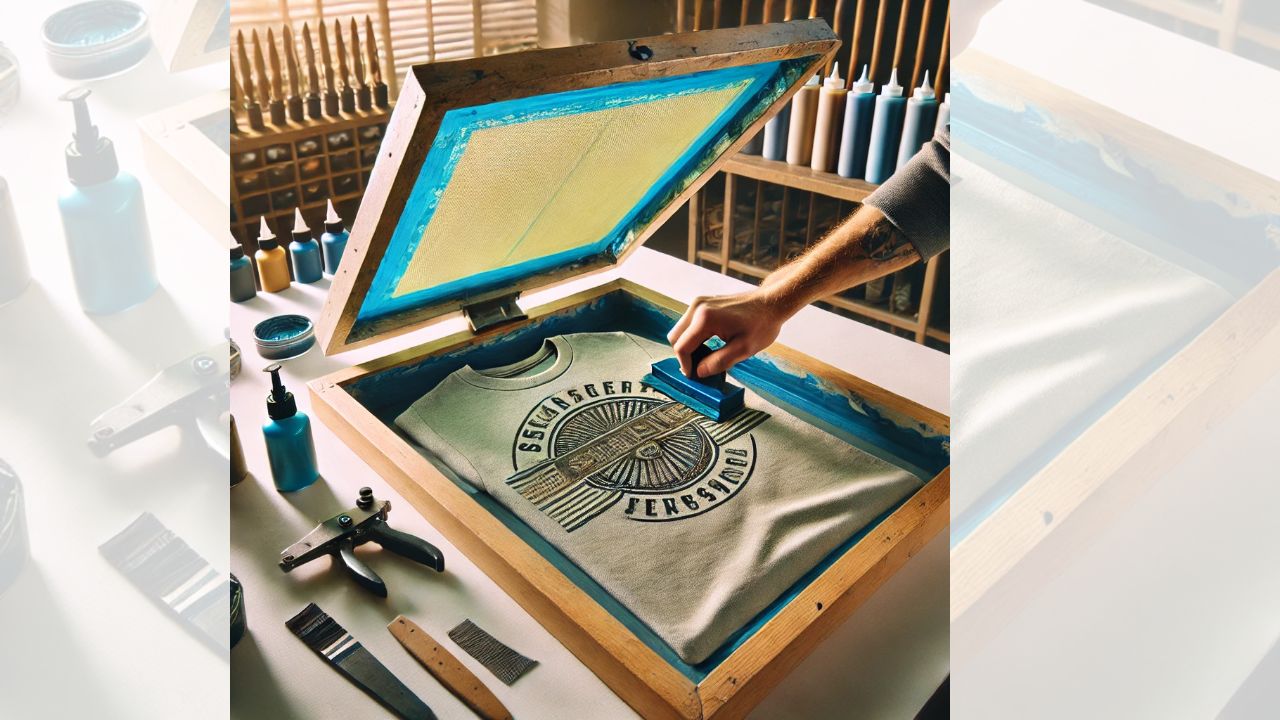
The squeegee is a flat, rubber tool used to push ink through the screen onto your material. It comes in various sizes to match different screens. The pressure you apply with the squeegee directly impacts the quality of the print.
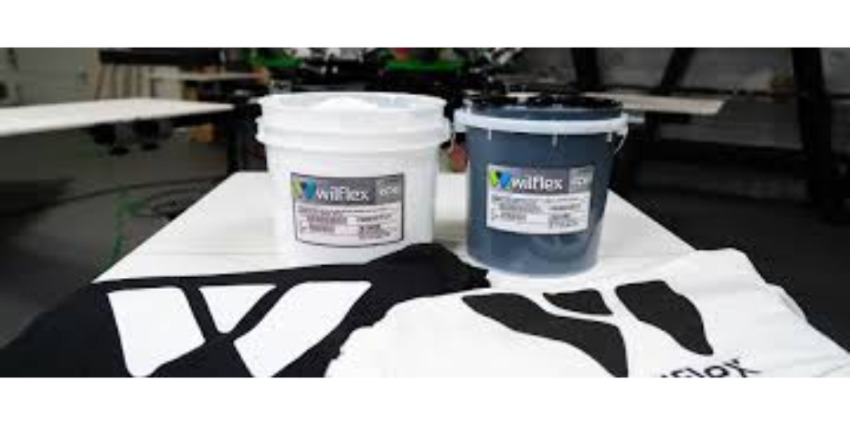
Special inks are designed for screen printing. Depending on your project, you can choose from water-based, plastisol, or discharge inks. Water-based inks are eco-friendly and offer a soft feel on fabric, while plastisol inks are thicker and provide vibrant, long-lasting prints.
One of the best parts of silk screen printing is its versatility. You can print on T-shirts, hoodies, tote bags, posters, ceramics, and more. Make sure to select the right ink for your substrate to achieve the best results.

Now that you have your silk screen printing materials, let’s walk through the basic steps to create a design:
Prepare Your Design
Start by creating a design on paper or using design software. You’ll need to print the design onto a transparent sheet, which will act as your stencil.
Coat the Screen with Emulsion
Apply a layer of emulsion to the screen and let it dry in a dark space. This prevents premature exposure to light.
Expose the Screen
Place the transparency on the screen and expose it to a strong light source. The areas covered by the design will block light, creating your stencil.
Rinse and Dry the Screen
Rinse the screen with water to wash away the unexposed emulsion, revealing the stencil of your design. Let the screen dry completely before printing.
Set Up for Printing
Place your material under the screen. Pour a small amount of ink at the top of the screen and use the squeegee to pull the ink down, pressing it through the screen.
Cure the Ink
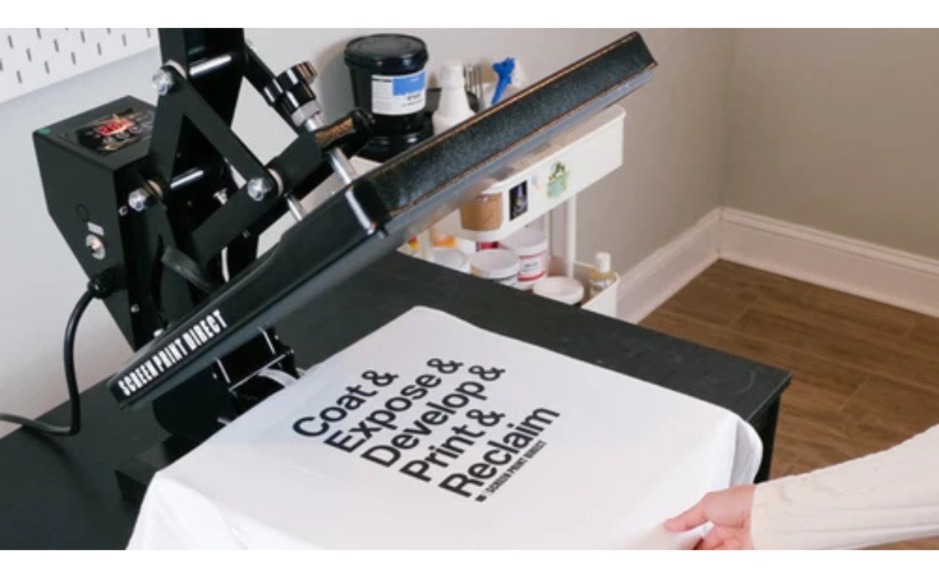
If you're using plastisol ink, you will need to cure it with heat to make it permanent. Water-based inks may only require air drying, though heat curing improves durability.
Silk screen printing is known for producing high-quality, durable prints that stand the test of time. It allows for more creative freedom with bold designs and is cost-effective for larger batches. Whether you’re customizing apparel or printing posters, the ability to print on a wide range of surfaces makes silk screen printing a popular choice for professionals and hobbyists alike.
Mastering silk screen printing involves understanding the role of each material and step in the process. From selecting the right silkscreen printing materials to refining your printing technique, practice makes perfect. Once you get the hang of it, this method will open endless creative possibilities for your projects.
Now that you know the essential materials for silk screen printing, you are ready to dive in and start experimenting! Gather your supplies, practice your technique, and enjoy the satisfaction of creating beautiful, hand-printed designs.
Silk screen printing is a versatile and popular printing method used to create beautiful designs on various surfaces, including fabric, paper, glass, and even wood. Whether you’re starting a business or just exploring a new hobby, understanding the basics of silk screen materials is crucial for a successful print. This guide will walk you through what silk screen printing materials are needed, how the process works, and tips to achieve the best results.
Silk screen printing, also known as screen printing, is a technique where ink is pushed through a mesh stencil (screen) to transfer a design onto a surface. It is commonly used for printing on T-shirts, posters, and promotional items. The beauty of this method lies in its ability to produce bold, vibrant designs that can withstand repeated use.
To get started, you will need a few basic materials for silk screen printing. Let’s take a closer look at the essential tools and supplies required to begin your printing journey.
The screen is made from a mesh material stretched over a frame. Traditionally, silk was used, but modern screens are often made from polyester. The mesh size varies depending on the level of detail in your design. A fine mesh is perfect for detailed prints, while larger mesh is better for bold, simple designs.
Emulsion is a light-sensitive liquid used to coat the screen. When exposed to light, it hardens and creates a stencil for your design. The sensitizer is mixed with the emulsion to activate the process.
The squeegee is a flat, rubber tool used to push ink through the screen onto your material. It comes in various sizes to match different screens. The pressure you apply with the squeegee directly impacts the quality of the print.
Special inks are designed for screen printing. Depending on your project, you can choose from water-based, plastisol, or discharge inks. Water-based inks are eco-friendly and offer a soft feel on fabric, while plastisol inks are thicker and provide vibrant, long-lasting prints.
One of the best parts of silk screen printing is its versatility. You can print on T-shirts, hoodies, tote bags, posters, ceramics, and more. Make sure to select the right ink for your substrate to achieve the best results.

Now that you have your silk screen printing materials, let’s walk through the basic steps to create a design:
Prepare Your Design
Start by creating a design on paper or using design software. You’ll need to print the design onto a transparent sheet, which will act as your stencil.
Coat the Screen with Emulsion
Apply a layer of emulsion to the screen and let it dry in a dark space. This prevents premature exposure to light.
Expose the Screen
Place the transparency on the screen and expose it to a strong light source. The areas covered by the design will block light, creating your stencil.
Rinse and Dry the Screen
Rinse the screen with water to wash away the unexposed emulsion, revealing the stencil of your design. Let the screen dry completely before printing.
Set Up for Printing
Place your material under the screen. Pour a small amount of ink at the top of the screen and use the squeegee to pull the ink down, pressing it through the screen.
Cure the Ink
If you're using plastisol ink, you will need to cure it with heat to make it permanent. Water-based inks may only require air drying, though heat curing improves durability.
Silk screen printing is known for producing high-quality, durable prints that stand the test of time. It allows for more creative freedom with bold designs and is cost-effective for larger batches. Whether you’re customizing apparel or printing posters, the ability to print on a wide range of surfaces makes silk screen printing a popular choice for professionals and hobbyists alike.
Mastering silk screen printing involves understanding the role of each material and step in the process. From selecting the right silkscreen printing materials to refining your printing technique, practice makes perfect. Once you get the hang of it, this method will open endless creative possibilities for your projects.
Now that you know the essential materials for silk screen printing, you are ready to dive in and start experimenting! Gather your supplies, practice your technique, and enjoy the satisfaction of creating beautiful, hand-printed designs.
Are you sure you want to stop following?
Loading…
Congrats! You are now a member!
Start requesting vouchers for promo codes by clicking the Request Deal buttons on products you want.
Sellers of Amazon products are required to sign in at www.amztracker.com
More information about placing your products on this site can be found here.
Are you having problems purchasing a product with the supplied voucher? If so, please contact the seller via the supplied email.
Also, please be patient. Sellers are pretty busy people and it can take awhile to respond to your emails.
After 2 days of receiving a voucher you can report the seller to us (using the same button) if you cannot resolve this issue with the seller.
For more information click here.
We have taken note and will also convey the problems to the seller on your behalf.
Usually the seller will rectify it soon, we suggest now you can remove this request from your dashboard and choose another deal.
If you love this deal most, we suggest you can try to request this deal after 2 days.
This will mark the product as purchased. The voucher will be permanently removed from your dashboard shortly after. Are you sure?
You are essentially competing with a whole lot of other buyers when requesting to purchase a product. The seller only has a limited amount of vouchers to give out too.
Select All Groups
✕
Adult Products
Arts, Crafts & Sewing
Automotive & Industrial
Beauty & Grooming
Cell Phones & Accessories
Electronics & Office
Health & Household
Home & Garden
Jewelry
Kitchen & Dining
Men's Clothing & Shoes
Pet Supplies
Sports & Outdoors
Toys, Kids & Baby
Watches
Women's Clothing & Shoes
Other
Adult Products
©Copyright 2026 Vipon All Right Reserved · Privacy Policy · Terms of Service · Do Not Sell My Personal Information
Certain content in this page comes from Amazon. The content is provided as is, and is subject
to change or removal at
any time. Amazon and the Amazon logo are trademarks of Amazon.com,
Inc. or its affiliates.
Comments