Amazon Coupons
Vipon > V Show > Skin Peels for Hyperpigmentation: Effective Solutions in Oman Share great deals & products and save together.

Skin Peels for Hyperpigmentation: Effective Solutions in Oman

2024-11-20 01:53:12
Report

Introduction

Hyperpigmentation is a common skin condition that manifests as darkened areas or spots on the skin, often caused by an overproduction of melanin. It can appear in various forms, including sun spots, melasma, and post-inflammatory hyperpigmentation, and can be triggered by factors such as sun exposure, hormonal changes, acne, and certain medications. In Oman, where the climate is hot and sunny year-round, hyperpigmentation is a widespread concern for many people, especially those exposed to intense sunlight.

While there are numerous treatments available for hyperpigmentation, one of the most effective and sought-after options is the use of skin peels. Chemical peels, in particular, have become a popular choice for individuals looking to brighten their complexion and address uneven skin tone. In this article, we explore the effectiveness of Skin Peels Oman, their types, benefits, and considerations for those looking to undergo this treatment.


What is Hyperpigmentation?

Hyperpigmentation occurs when certain areas of the skin produce excess melanin, the pigment responsible for the color of the skin. These areas become darker than the surrounding skin, creating spots or patches that are often seen on the face, hands, or other sun-exposed areas. Common types of hyperpigmentation include:

  • Sun Spots (Age Spots): Caused by prolonged sun exposure, these spots typically appear on the face, hands, and shoulders.
  • Melasma: Often seen in women, melasma is triggered by hormonal changes, such as during pregnancy or as a result of birth control pills.
  • Post-Inflammatory Hyperpigmentation: Dark spots that appear after an injury to the skin, such as acne, cuts, or burns.

While hyperpigmentation is not harmful, it can affect one’s appearance and self-esteem, leading many to seek treatments to reduce the discoloration.


How Do Skin Peels Work?

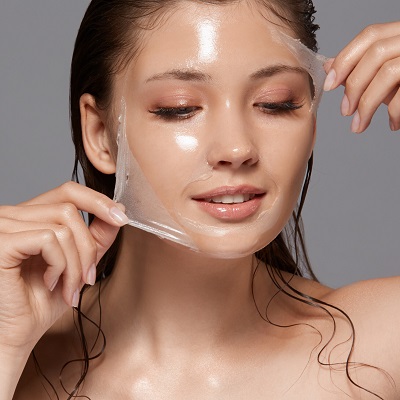
Chemical peels are a non-invasive treatment designed to exfoliate the outer layers of the skin, promoting skin renewal and revealing healthier, more even-toned skin. The process involves the application of a chemical solution to the skin, which causes controlled damage to the outermost skin layers. This damage stimulates the skin's natural healing process, encouraging the growth of new, fresh skin cells while reducing the appearance of hyperpigmentation.

There are three main types of chemical peels, each targeting different skin issues and depths of skin layers:

  1. Superficial Peels: These are the mildest peels, using alpha-hydroxy acids (AHAs) or beta-hydroxy acids (BHAs) to exfoliate the outermost layer of skin. Superficial peels are often used to treat mild discoloration and can be done with minimal downtime.

  2. Medium Peels: Medium-depth peels use stronger acids, such as trichloroacetic acid (TCA), to penetrate deeper into the skin. They are more effective for treating moderate hyperpigmentation, including sun spots and melasma.

  3. Deep Peels: These peels are the most intense and use potent acids to target deeper layers of skin. Deep peels are typically used for more severe cases of hyperpigmentation and may require longer recovery periods.


Benefits of Skin Peels for Hyperpigmentation

1. Effective Skin Brightening

One of the primary benefits of skin peels for hyperpigmentation is their ability to brighten the skin. By removing the outer layers of dead skin, the peel helps to lighten dark spots and promote an even skin tone. Regular peels can lead to noticeable improvements in skin brightness, reducing the appearance of hyperpigmented areas over time.


2. Stimulation of Collagen Production

In addition to exfoliating the skin, chemical peels stimulate collagen production, which is essential for maintaining skin’s firmness and elasticity. This can help repair skin damage caused by hyperpigmentation and improve the overall texture of the skin, making it appear smoother and more youthful.


3. Non-Surgical Solution

Chemical peels are a non-invasive treatment option that offers a significant reduction in hyperpigmentation without the need for surgery or lengthy recovery periods. Most individuals can return to their normal activities after a short downtime, making chemical peels an attractive option for busy people.


4. Customizable Treatments

Skin peels can be tailored to meet the specific needs of the individual. Depending on the severity and type of hyperpigmentation, dermatologists can adjust the strength of the peel and customize the treatment to deliver the best results for each patient.


Skin Peel Options in Oman

Oman’s sunny climate and high UV exposure contribute to the prevalence of hyperpigmentation, making skin peels an increasingly popular treatment option. There are several types of skin peels available in Oman, including:

  • Glycolic Acid Peels: Glycolic acid is a type of AHA that is commonly used in superficial peels. It helps exfoliate the skin and is effective in treating mild to moderate hyperpigmentation, including sun spots.

  • Lactic Acid Peels: Lactic acid is another AHA that is gentler on the skin, making it a good option for those with sensitive skin. It can improve skin texture and lighten hyperpigmented areas.

  • Salicylic Acid Peels: A type of BHA, salicylic acid peels penetrate deeper into the skin and are particularly effective for treating acne-related hyperpigmentation. They also have anti-inflammatory properties that help calm irritated skin.

  • TCA Peels: Trichloroacetic acid is used in medium-depth peels and is highly effective for treating more stubborn hyperpigmentation, such as melasma or deep sun spots. It can also promote collagen production.

Given the intense sun exposure in Oman, it is important for patients to use sunscreen regularly after undergoing a peel to prevent further pigmentation issues.


Considerations Before Undergoing a Skin Peel

While skin peels are effective, they are not suitable for everyone. Some key considerations include:

  • Skin Sensitivity: People with very sensitive skin or certain skin conditions, such as eczema or rosacea, may need to avoid chemical peels.

  • Skin Type: Different skin types may react differently to chemical peels. It is essential to consult with a qualified dermatologist who can recommend the appropriate peel based on your skin type and concerns.

  • Sun Protection: After a chemical peel, the skin becomes more sensitive to the sun, making it crucial to apply broad-spectrum sunscreen to avoid worsening hyperpigmentation.


Conclusion

Skin peels offer a promising solution for individuals in Oman struggling with hyperpigmentation. By exfoliating the outer layers of the skin, these treatments promote skin renewal, lighten dark spots, and improve the overall appearance of the skin. With various types of peels available, individuals can choose the one that best suits their needs and skin type. However, it is essential to consult with a qualified skincare professional to determine the most effective treatment plan and to ensure the best results while minimizing risks. For those seeking a non-invasive, effective treatment to address hyperpigmentation, skin peels remain a top choice in Oman.

Skin Peels for Hyperpigmentation: Effective Solutions in Oman

316.2k
2024-11-20 01:53:12

Introduction

Hyperpigmentation is a common skin condition that manifests as darkened areas or spots on the skin, often caused by an overproduction of melanin. It can appear in various forms, including sun spots, melasma, and post-inflammatory hyperpigmentation, and can be triggered by factors such as sun exposure, hormonal changes, acne, and certain medications. In Oman, where the climate is hot and sunny year-round, hyperpigmentation is a widespread concern for many people, especially those exposed to intense sunlight.

While there are numerous treatments available for hyperpigmentation, one of the most effective and sought-after options is the use of skin peels. Chemical peels, in particular, have become a popular choice for individuals looking to brighten their complexion and address uneven skin tone. In this article, we explore the effectiveness of Skin Peels Oman, their types, benefits, and considerations for those looking to undergo this treatment.


What is Hyperpigmentation?

Hyperpigmentation occurs when certain areas of the skin produce excess melanin, the pigment responsible for the color of the skin. These areas become darker than the surrounding skin, creating spots or patches that are often seen on the face, hands, or other sun-exposed areas. Common types of hyperpigmentation include:

  • Sun Spots (Age Spots): Caused by prolonged sun exposure, these spots typically appear on the face, hands, and shoulders.
  • Melasma: Often seen in women, melasma is triggered by hormonal changes, such as during pregnancy or as a result of birth control pills.
  • Post-Inflammatory Hyperpigmentation: Dark spots that appear after an injury to the skin, such as acne, cuts, or burns.

While hyperpigmentation is not harmful, it can affect one’s appearance and self-esteem, leading many to seek treatments to reduce the discoloration.


How Do Skin Peels Work?

Chemical peels are a non-invasive treatment designed to exfoliate the outer layers of the skin, promoting skin renewal and revealing healthier, more even-toned skin. The process involves the application of a chemical solution to the skin, which causes controlled damage to the outermost skin layers. This damage stimulates the skin's natural healing process, encouraging the growth of new, fresh skin cells while reducing the appearance of hyperpigmentation.

There are three main types of chemical peels, each targeting different skin issues and depths of skin layers:

  1. Superficial Peels: These are the mildest peels, using alpha-hydroxy acids (AHAs) or beta-hydroxy acids (BHAs) to exfoliate the outermost layer of skin. Superficial peels are often used to treat mild discoloration and can be done with minimal downtime.

  2. Medium Peels: Medium-depth peels use stronger acids, such as trichloroacetic acid (TCA), to penetrate deeper into the skin. They are more effective for treating moderate hyperpigmentation, including sun spots and melasma.

  3. Deep Peels: These peels are the most intense and use potent acids to target deeper layers of skin. Deep peels are typically used for more severe cases of hyperpigmentation and may require longer recovery periods.


Benefits of Skin Peels for Hyperpigmentation

1. Effective Skin Brightening

One of the primary benefits of skin peels for hyperpigmentation is their ability to brighten the skin. By removing the outer layers of dead skin, the peel helps to lighten dark spots and promote an even skin tone. Regular peels can lead to noticeable improvements in skin brightness, reducing the appearance of hyperpigmented areas over time.


2. Stimulation of Collagen Production

In addition to exfoliating the skin, chemical peels stimulate collagen production, which is essential for maintaining skin’s firmness and elasticity. This can help repair skin damage caused by hyperpigmentation and improve the overall texture of the skin, making it appear smoother and more youthful.


3. Non-Surgical Solution

Chemical peels are a non-invasive treatment option that offers a significant reduction in hyperpigmentation without the need for surgery or lengthy recovery periods. Most individuals can return to their normal activities after a short downtime, making chemical peels an attractive option for busy people.


4. Customizable Treatments

Skin peels can be tailored to meet the specific needs of the individual. Depending on the severity and type of hyperpigmentation, dermatologists can adjust the strength of the peel and customize the treatment to deliver the best results for each patient.


Skin Peel Options in Oman

Oman’s sunny climate and high UV exposure contribute to the prevalence of hyperpigmentation, making skin peels an increasingly popular treatment option. There are several types of skin peels available in Oman, including:

  • Glycolic Acid Peels: Glycolic acid is a type of AHA that is commonly used in superficial peels. It helps exfoliate the skin and is effective in treating mild to moderate hyperpigmentation, including sun spots.

  • Lactic Acid Peels: Lactic acid is another AHA that is gentler on the skin, making it a good option for those with sensitive skin. It can improve skin texture and lighten hyperpigmented areas.

  • Salicylic Acid Peels: A type of BHA, salicylic acid peels penetrate deeper into the skin and are particularly effective for treating acne-related hyperpigmentation. They also have anti-inflammatory properties that help calm irritated skin.

  • TCA Peels: Trichloroacetic acid is used in medium-depth peels and is highly effective for treating more stubborn hyperpigmentation, such as melasma or deep sun spots. It can also promote collagen production.

Given the intense sun exposure in Oman, it is important for patients to use sunscreen regularly after undergoing a peel to prevent further pigmentation issues.


Considerations Before Undergoing a Skin Peel

While skin peels are effective, they are not suitable for everyone. Some key considerations include:

  • Skin Sensitivity: People with very sensitive skin or certain skin conditions, such as eczema or rosacea, may need to avoid chemical peels.

  • Skin Type: Different skin types may react differently to chemical peels. It is essential to consult with a qualified dermatologist who can recommend the appropriate peel based on your skin type and concerns.

  • Sun Protection: After a chemical peel, the skin becomes more sensitive to the sun, making it crucial to apply broad-spectrum sunscreen to avoid worsening hyperpigmentation.


Conclusion

Skin peels offer a promising solution for individuals in Oman struggling with hyperpigmentation. By exfoliating the outer layers of the skin, these treatments promote skin renewal, lighten dark spots, and improve the overall appearance of the skin. With various types of peels available, individuals can choose the one that best suits their needs and skin type. However, it is essential to consult with a qualified skincare professional to determine the most effective treatment plan and to ensure the best results while minimizing risks. For those seeking a non-invasive, effective treatment to address hyperpigmentation, skin peels remain a top choice in Oman.

Comments

Recommended

Frequently Asked Questions About Laser Hair Removal in Oman
Dental Clinic Dubai
805.6k
Laser Hair Removal vs. Traditional Methods: Which is Best for You?
Dental Clinic Dubai
211.7k
The Best Strategies for Permanent Hair Removal in Oman
Dental Clinic Dubai
980.3k
Download Vipon App to get great deals now!
...
Amazon Coupons Loading…