Amazon Coupons
Vipon > V Show > Caring for a Child with a Hip Spica Cast: A Practical Guide Share great deals & products and save together.

Caring for a Child with a Hip Spica Cast: A Practical Guide

2024-11-22 00:57:45
Report

When a child requires a hip spica cast, it can feel overwhelming at first. The cast, often used to immobilize the hip and leg after surgery or injury, presents unique challenges for families. However, with a little preparation and the right tips, you can provide the best care for your child while ensuring their comfort and safety.  


This guide covers essential aspects of managing daily life with a hip spica cast, from hygiene and positioning to mealtime strategies.  


Understanding the Purpose of a Hip Spica Cast  

A hip spica cast is designed to keep the hip, pelvis, and sometimes the leg immobilized during the healing process. It’s commonly used in children recovering from fractures, hip surgeries, or conditions like hip dysplasia. While the cast plays a vital role in recovery, it also requires special care to avoid complications and keep your child as comfortable as possible.  

Maintaining Hygiene with a Hip Spica Cast  

Keeping your child clean while avoiding damage to the cast is crucial. Here are some tips:  


Protect the Cast: Use waterproof covers or plastic wrap during sponge baths to prevent moisture from seeping into the cast.  

Spot Cleaning: A damp cloth with mild soap can help clean exposed areas of skin. Avoid getting the edges of the cast wet.  

Prevent Skin Irritation: Check daily for redness or sores near the edges of the cast. Padding the edges with soft material can reduce friction.  

Managing Accidents: If the cast becomes soiled, clean it gently and use a hair dryer on a cool setting to dry the area.  

Comfortable Positioning and Support  

Positioning is critical to ensure your child remains comfortable and supported.  


Use Supportive Cushions: Pillows or foam wedges can help prop up your child and relieve pressure points.  

Adjust Positions Regularly: Changing positions every few hours can prevent stiffness and improve circulation.  

Use Specialized Furniture: Reclining chairs or medical equipment designed for children in a hip spica cast can make seating more comfortable. 

Managing Mobility and Activities  

While mobility is restricted, keeping your child entertained and engaged is still possible.  


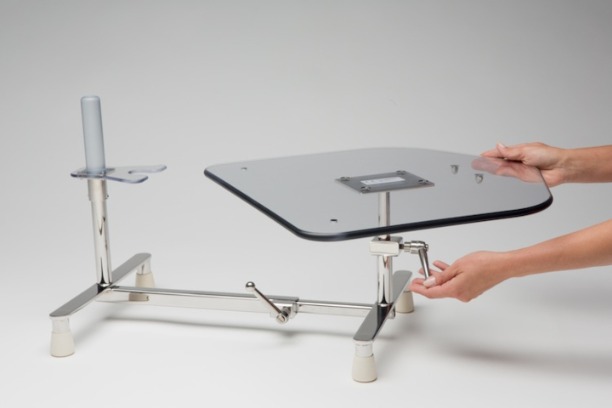
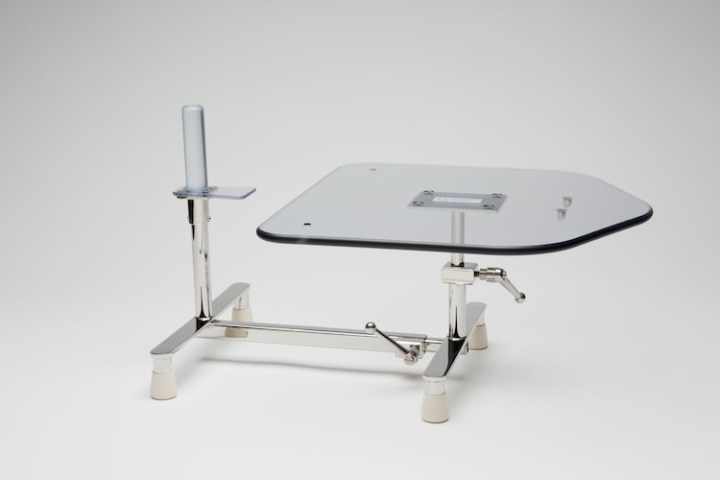
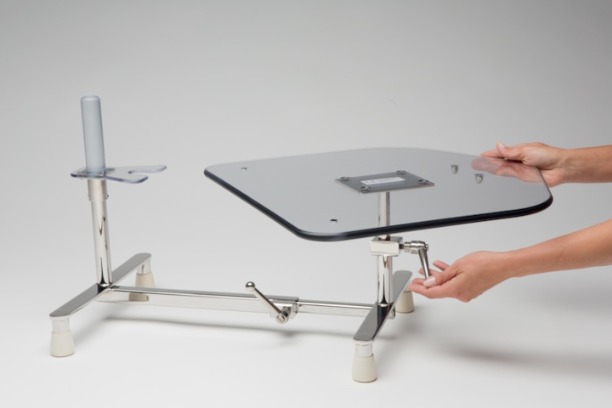
Use a Spica Table: A specialized table designed for children in hip spica casts can provide a safe space for play and activities.  

Encourage Creativity: Stock up on crafts, puzzles, and books to keep your child mentally stimulated.  

Incorporate Gentle Movements: Engage in simple hand or upper body exercises recommended by your child’s healthcare provider.  

Spotting and Addressing Potential Issues  

Close monitoring is essential to prevent complications during the recovery process.  


Check for Circulation Issues: Look for swelling, discoloration, or changes in your child’s toes or fingers. Notify a doctor if you notice anything unusual.  

Monitor for Odors: An unusual smell may indicate that the cast is soiled or there’s an infection beneath it.  

Keep Follow-Up Appointments: Regular check-ups ensure the cast is functioning as intended and the healing process is on track.  

The Importance of Preparation  

Caring for a child in a hip spica cast becomes more manageable with preparation. Stock up on items like waterproof covers, specialized seating, and cushions before the cast is applied. Organize your home to make daily activities smoother, such as setting up play and sleeping areas that accommodate your child’s restricted mobility.  

Building a Support System  

You don’t have to navigate this alone. Seek advice from healthcare providers, physical therapists, and other parents who have managed hip spica cast care. Joining online communities or local support groups can provide valuable insights and emotional encouragement.  

Conclusion  

While caring for a child in a hip spica cast care may feel painful, a proactive approach can make all the difference. By focusing on hygiene, comfort, and creative engagement, you’ll create an environment that supports healing and keeps your child’s spirits high. Remember to stay attentive to any signs of discomfort or complications and maintain open communication with healthcare providers. With the right care and tools, your child’s recovery journey can be as smooth as possible.


Caring for a Child with a Hip Spica Cast: A Practical Guide

633.2k
2024-11-22 00:57:45

When a child requires a hip spica cast, it can feel overwhelming at first. The cast, often used to immobilize the hip and leg after surgery or injury, presents unique challenges for families. However, with a little preparation and the right tips, you can provide the best care for your child while ensuring their comfort and safety.  


This guide covers essential aspects of managing daily life with a hip spica cast, from hygiene and positioning to mealtime strategies.  


Understanding the Purpose of a Hip Spica Cast  

A hip spica cast is designed to keep the hip, pelvis, and sometimes the leg immobilized during the healing process. It’s commonly used in children recovering from fractures, hip surgeries, or conditions like hip dysplasia. While the cast plays a vital role in recovery, it also requires special care to avoid complications and keep your child as comfortable as possible.  

Maintaining Hygiene with a Hip Spica Cast  

Keeping your child clean while avoiding damage to the cast is crucial. Here are some tips:  


Protect the Cast: Use waterproof covers or plastic wrap during sponge baths to prevent moisture from seeping into the cast.  

Spot Cleaning: A damp cloth with mild soap can help clean exposed areas of skin. Avoid getting the edges of the cast wet.  

Prevent Skin Irritation: Check daily for redness or sores near the edges of the cast. Padding the edges with soft material can reduce friction.  

Managing Accidents: If the cast becomes soiled, clean it gently and use a hair dryer on a cool setting to dry the area.  

Comfortable Positioning and Support  

Positioning is critical to ensure your child remains comfortable and supported.  


Use Supportive Cushions: Pillows or foam wedges can help prop up your child and relieve pressure points.  

Adjust Positions Regularly: Changing positions every few hours can prevent stiffness and improve circulation.  

Use Specialized Furniture: Reclining chairs or medical equipment designed for children in a hip spica cast can make seating more comfortable. 

Managing Mobility and Activities  

While mobility is restricted, keeping your child entertained and engaged is still possible.  


Use a Spica Table: A specialized table designed for children in hip spica casts can provide a safe space for play and activities.  

Encourage Creativity: Stock up on crafts, puzzles, and books to keep your child mentally stimulated.  

Incorporate Gentle Movements: Engage in simple hand or upper body exercises recommended by your child’s healthcare provider.  

Spotting and Addressing Potential Issues  

Close monitoring is essential to prevent complications during the recovery process.  


Check for Circulation Issues: Look for swelling, discoloration, or changes in your child’s toes or fingers. Notify a doctor if you notice anything unusual.  

Monitor for Odors: An unusual smell may indicate that the cast is soiled or there’s an infection beneath it.  

Keep Follow-Up Appointments: Regular check-ups ensure the cast is functioning as intended and the healing process is on track.  

The Importance of Preparation  

Caring for a child in a hip spica cast becomes more manageable with preparation. Stock up on items like waterproof covers, specialized seating, and cushions before the cast is applied. Organize your home to make daily activities smoother, such as setting up play and sleeping areas that accommodate your child’s restricted mobility.  

Building a Support System  

You don’t have to navigate this alone. Seek advice from healthcare providers, physical therapists, and other parents who have managed hip spica cast care. Joining online communities or local support groups can provide valuable insights and emotional encouragement.  

Conclusion  

While caring for a child in a hip spica cast care may feel painful, a proactive approach can make all the difference. By focusing on hygiene, comfort, and creative engagement, you’ll create an environment that supports healing and keeps your child’s spirits high. Remember to stay attentive to any signs of discomfort or complications and maintain open communication with healthcare providers. With the right care and tools, your child’s recovery journey can be as smooth as possible.


Comments

Recommended

Essential Tips for Caring for Children with Hip Casts at Home
VIPON_161713874505
760.9k
The Importance of Spica Cast Positioning Tables in Medical Care
VIPON_161713874505
647.7k
Spica Cast Chair Table Solutions for Safe and Comfortable Use
VIPON_161713874505
654.9k
Download Vipon App to get great deals now!
...
Amazon Coupons Loading…