Amazon Coupons
Vipon > V Show > The Importance of Spica Cast Positioning Tables in Medical Care Share great deals & products and save together.

The Importance of Spica Cast Positioning Tables in Medical Care

2024-12-18 23:04:08
Report

In the field of orthopedics and trauma care, precise positioning is crucial to the healing process. When a patient is placed in a spica cast, a specially designed table or device is often used to ensure that the body remains in the correct position during and after the procedure. One such device is the spica cast table, which plays a significant role in stabilizing the body and ensuring proper alignment for the healing of fractures and musculoskeletal injuries.


What is a Spica Cast?

A spica cast is a type of orthopedic cast that is typically used for immobilizing the hip, pelvis, or lower limbs. It is often employed in the treatment of hip fractures, femoral fractures, and some musculoskeletal deformities. The cast wraps around the body in a way that restricts movement, promoting healing by preventing movement at the fracture site. Since spica casts cover a large portion of the body, they require precise alignment to ensure that the bones are properly positioned.

The correct application of a spica cast is critical to the success of the treatment, as improper positioning can lead to complications, such as delayed healing, deformities, or discomfort for the patient.

The Role of the Spica Cast Positioning Table

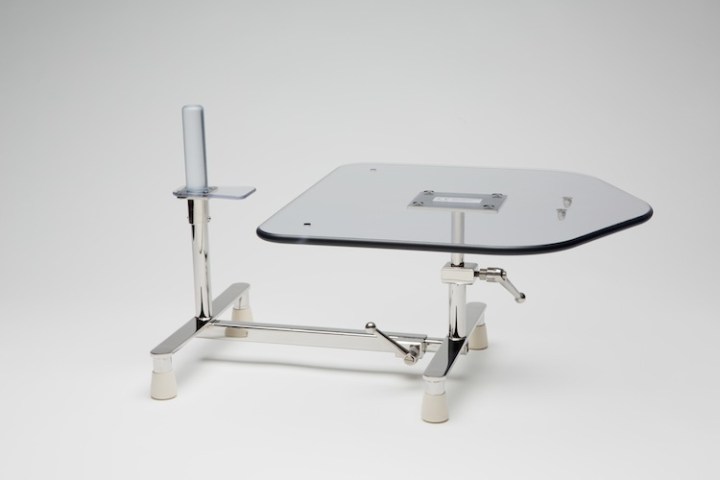
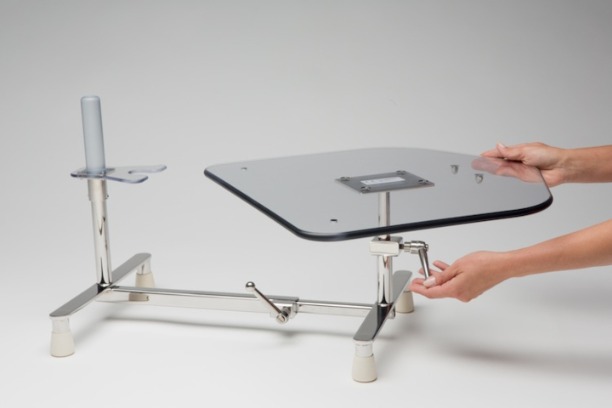
The spica cast positioning table is a specialized medical device designed to facilitate the accurate positioning of the patient while applying and securing the spica cast. This table provides support and stability for patients, allowing healthcare professionals to ensure that the fracture site remains immobile and correctly aligned. It is typically equipped with features such as adjustable supports, which enable caregivers to adjust the positioning of the patient to ensure that the body part in question is aligned with the cast.

Here are some key features and benefits of the spica cast table:

  1. Enhanced Patient Comfort and Safety
    The spica cast table is designed to support the patient's body securely while minimizing the risk of discomfort or injury during the casting process. It ensures that the patient is in a stable position throughout the procedure, which is particularly important in pediatric cases or when dealing with patients who are unable to communicate their discomfort.

  2. Accurate Alignment and Immobilization
    One of the primary functions of the spica medical device is to help ensure that the body part in need of immobilization is positioned accurately. This reduces the chances of misalignment, which can lead to improper bone healing. The table allows healthcare providers to control the positioning of the affected limb or joint, ensuring that the fracture site remains secure during the casting process.

  3. Time Efficiency
    Applying a spica cast can be a complex process, but the use of a spica cast table significantly speeds up the procedure. The adjustable features of the table help medical professionals position the patient quickly and effectively, which is especially beneficial in busy clinical environments. Moreover, the ability to precisely position the body parts before the cast is applied reduces the chances of needing to readjust the cast after it has been set.

  4. Reduced Risk of Complications
    Proper positioning is vital to avoid complications during the healing process. The spica table medical device reduces the chances of issues such as circulation problems, skin abrasions, or nerve damage, all of which can arise if the cast is applied in an incorrect position. By ensuring that the body remains correctly aligned, the device helps to promote faster and more efficient healing.

Advantages of Using the Spica Table Medical Device

  1. Improved Healing Outcomes
    The primary benefit of using the spica cast positioning table is the improvement in healing outcomes. By ensuring that the patient’s body part is properly aligned and immobile, the table helps speed up the recovery process and ensures that the bones heal in the correct position, minimizing the chances of long-term complications.

  2. Optimized Casting Techniques
    The device’s adjustability allows medical professionals to tailor the positioning to the specific needs of the patient. This personalized approach improves the effectiveness of the treatment and ensures that the spica cast is applied correctly every time, reducing the need for additional procedures or follow-ups.

  3. Enhanced Patient Experience
    A smooth, well-positioned casting procedure results in a better patient experience. Patients, especially children or those with limited mobility, will appreciate the comfort and security provided by the spica medical device. The added stability reduces the chances of unnecessary movements during the process, improving the overall experience and helping patients feel more at ease.

  4. Versatility Across Patient Types
    The spica cast table is versatile and can be used for a wide range of patients, including both adults and children. Pediatric patients, in particular, benefit from the table’s ability to maintain stability and comfort, even in difficult-to-position areas of the body.

Final Thoughts

The spica cast positioning table is an essential tool in orthopedic care, particularly for patients who require spica casts. By ensuring accurate alignment and providing a stable, comfortable environment for the patient, the table medical device plays a critical role in the successful healing of fractures and musculoskeletal injuries. Whether used in pediatric care or for adult patients, this medical device enhances the casting process and contributes to better patient outcomes, making it an indispensable part of modern trauma and orthopedic treatments.

The Importance of Spica Cast Positioning Tables in Medical Care

647.7k
2024-12-18 23:04:08

In the field of orthopedics and trauma care, precise positioning is crucial to the healing process. When a patient is placed in a spica cast, a specially designed table or device is often used to ensure that the body remains in the correct position during and after the procedure. One such device is the spica cast table, which plays a significant role in stabilizing the body and ensuring proper alignment for the healing of fractures and musculoskeletal injuries.


What is a Spica Cast?

A spica cast is a type of orthopedic cast that is typically used for immobilizing the hip, pelvis, or lower limbs. It is often employed in the treatment of hip fractures, femoral fractures, and some musculoskeletal deformities. The cast wraps around the body in a way that restricts movement, promoting healing by preventing movement at the fracture site. Since spica casts cover a large portion of the body, they require precise alignment to ensure that the bones are properly positioned.

The correct application of a spica cast is critical to the success of the treatment, as improper positioning can lead to complications, such as delayed healing, deformities, or discomfort for the patient.

The Role of the Spica Cast Positioning Table

The spica cast positioning table is a specialized medical device designed to facilitate the accurate positioning of the patient while applying and securing the spica cast. This table provides support and stability for patients, allowing healthcare professionals to ensure that the fracture site remains immobile and correctly aligned. It is typically equipped with features such as adjustable supports, which enable caregivers to adjust the positioning of the patient to ensure that the body part in question is aligned with the cast.

Here are some key features and benefits of the spica cast table:

  1. Enhanced Patient Comfort and Safety
    The spica cast table is designed to support the patient's body securely while minimizing the risk of discomfort or injury during the casting process. It ensures that the patient is in a stable position throughout the procedure, which is particularly important in pediatric cases or when dealing with patients who are unable to communicate their discomfort.

  2. Accurate Alignment and Immobilization
    One of the primary functions of the spica medical device is to help ensure that the body part in need of immobilization is positioned accurately. This reduces the chances of misalignment, which can lead to improper bone healing. The table allows healthcare providers to control the positioning of the affected limb or joint, ensuring that the fracture site remains secure during the casting process.

  3. Time Efficiency
    Applying a spica cast can be a complex process, but the use of a spica cast table significantly speeds up the procedure. The adjustable features of the table help medical professionals position the patient quickly and effectively, which is especially beneficial in busy clinical environments. Moreover, the ability to precisely position the body parts before the cast is applied reduces the chances of needing to readjust the cast after it has been set.

  4. Reduced Risk of Complications
    Proper positioning is vital to avoid complications during the healing process. The spica table medical device reduces the chances of issues such as circulation problems, skin abrasions, or nerve damage, all of which can arise if the cast is applied in an incorrect position. By ensuring that the body remains correctly aligned, the device helps to promote faster and more efficient healing.

Advantages of Using the Spica Table Medical Device

  1. Improved Healing Outcomes
    The primary benefit of using the spica cast positioning table is the improvement in healing outcomes. By ensuring that the patient’s body part is properly aligned and immobile, the table helps speed up the recovery process and ensures that the bones heal in the correct position, minimizing the chances of long-term complications.

  2. Optimized Casting Techniques
    The device’s adjustability allows medical professionals to tailor the positioning to the specific needs of the patient. This personalized approach improves the effectiveness of the treatment and ensures that the spica cast is applied correctly every time, reducing the need for additional procedures or follow-ups.

  3. Enhanced Patient Experience
    A smooth, well-positioned casting procedure results in a better patient experience. Patients, especially children or those with limited mobility, will appreciate the comfort and security provided by the spica medical device. The added stability reduces the chances of unnecessary movements during the process, improving the overall experience and helping patients feel more at ease.

  4. Versatility Across Patient Types
    The spica cast table is versatile and can be used for a wide range of patients, including both adults and children. Pediatric patients, in particular, benefit from the table’s ability to maintain stability and comfort, even in difficult-to-position areas of the body.

Final Thoughts

The spica cast positioning table is an essential tool in orthopedic care, particularly for patients who require spica casts. By ensuring accurate alignment and providing a stable, comfortable environment for the patient, the table medical device plays a critical role in the successful healing of fractures and musculoskeletal injuries. Whether used in pediatric care or for adult patients, this medical device enhances the casting process and contributes to better patient outcomes, making it an indispensable part of modern trauma and orthopedic treatments.

Comments

Recommended

Essential Tips for Caring for Children with Hip Casts at Home
VIPON_161713874505
760.9k
Caring for a Child with a Hip Spica Cast: A Practical Guide
VIPON_161713874505
633.2k
Spica Cast Chair Table Solutions for Safe and Comfortable Use
VIPON_161713874505
654.9k
Download Vipon App to get great deals now!
...
Amazon Coupons Loading…