Amazon Coupons
Vipon > V Show > Injection Molding vs. Plastic Extrusion: A Comprehensive Comparison for Manufacturers Share great deals & products and save together.

Injection Molding vs. Plastic Extrusion: A Comprehensive Comparison for Manufacturers

2025-02-26 16:51:59
Report

In the world of manufacturing, plastic plays a crucial role in creating a vast array of products—from everyday consumer goods to specialized industrial components. Two of the most widely used processes in plastic fabrication are injection molding and plastic extrusion. Both methods offer unique advantages, but understanding their differences, applications, and capabilities is key for manufacturers to choose the best option for their production needs. In this article, we will provide a detailed comparison of injection molding and plastic extrusion, highlighting their processes, advantages, disadvantages, and real-world applications.

What is Injection Molding?

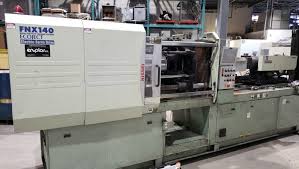
Injection molding is a manufacturing process used to produce parts by injecting molten plastic material into a mold under high pressure. This process is typically used for creating complex, high-precision parts in large quantities. Injection molding is most commonly employed in the production of items such as automotive components, medical devices, consumer electronics, and packaging products.

The Injection Molding Process:

  1. Material Preparation: Plastic pellets or granules are fed into the injection molding machine’s hopper.
  2. Melting: The plastic is heated and melted in a barrel.
  3. Injection: The molten plastic is injected into a mold cavity under high pressure.
  4. Cooling: The plastic cools and solidifies, taking the shape of the mold.
  5. Ejection: The finished part is ejected from the mold.

This process can be repeated rapidly for mass production, making it a cost-effective method for creating high volumes of identical products with intricate details.

What is Plastic Extrusion?

Plastic extrusion is a continuous process used to create long, uniform shapes or profiles by forcing molten plastic through a die. Unlike injection molding, which is typically used for discrete parts, plastic extrusion is designed for creating continuous products such as pipes, tubing, sheets, and profiles. Common materials used in extrusion include polyethylene (PE), polypropylene (PP), polyvinyl chloride (PVC), and more.

The Plastic Extrusion Process:

  1. Material Preparation: Plastic pellets are fed into an extruder.
  2. Melting: The plastic is melted by heating in the extruder barrel.
  3. Extrusion: The molten plastic is forced through a mold or die, forming the desired shape.
  4. Cooling: The extruded product is cooled by air or water to solidify it.
  5. Cutting: The extruded shape is then cut to the desired length or further processed for its final use.

Plastic extrusion is ideal for producing continuous profiles, and it can be adapted to create a variety of shapes and sizes for different applications.

Key Differences Between Injection Molding and Plastic Extrusion

While both injection molding and plastic extrusion serve the purpose of shaping plastic into desired forms, there are significant differences in the processes, capabilities, and best-use cases for each method.

1. Product Type

  • Injection Molding: Best for creating complex, three-dimensional parts with detailed features, such as housings for electronics, automotive parts, or medical components. Injection molding is ideal for making discrete, high-precision items that require exact tolerances.
  • Plastic Extrusion: Suitable for creating continuous products like pipes, rods, sheets, or profiles. Plastic extrusion is used for making long, uniform shapes that are typically cut to size after the extrusion process.

2. Process Cycle Time

  • Injection Molding: The cycle time for injection molding depends on the complexity of the part being produced. While the actual injection process is fast, the cooling and ejection times can add to the overall cycle time. However, this method allows for rapid production of multiple identical parts in a short period of time.
  • Plastic Extrusion: Extrusion processes have a continuous cycle time, allowing for the creation of long runs of material. This makes extrusion a great choice for high-volume production of products like pipes or sheets that require less intricate details.

3. Tooling and Setup Costs

  • Injection Molding: The tooling costs for injection molding can be high, as molds need to be created for each part design. However, the cost per unit tends to decrease with higher production volumes, making it cost-effective for large runs of complex parts.
  • Plastic Extrusion: The tooling costs for extrusion are generally lower than those for injection molding. Extrusion dies are relatively simple compared to injection molds, making it a more affordable option for manufacturers producing large quantities of simple products.

4. Material Versatility

  • Injection Molding: This process can work with a wide variety of materials, including thermoplastics, elastomers, and even some metals. Different materials can be used based on the specific performance requirements of the part, such as temperature resistance, flexibility, or durability.
  • Plastic Extrusion: Like injection molding, plastic extrusion can handle a variety of thermoplastic materials, including PVC, PE, PP, and more. However, the material range may be slightly more limited in terms of the specific applications it can fulfill, especially for products requiring very specific properties.

5. Design Flexibility

  • Injection Molding: Injection molding is the go-to method for producing highly detailed parts with complex geometries. The flexibility in design allows for multi-material parts, inserts, and features like undercuts and threads.
  • Plastic Extrusion: While plastic extrusion allows for a high degree of customization in terms of profiles and cross-sectional shapes, it is less suitable for creating complex 3D geometries or highly detailed parts. Extrusion is ideal for long, continuous shapes but may not be the best choice for intricate designs.

6. Material Waste

  • Injection Molding: There tends to be some material waste in injection molding, particularly due to sprues and runners (the channels through which the plastic flows during injection). However, this waste is typically recyclable, reducing the overall impact.
  • Plastic Extrusion: Extrusion processes can also create some waste, especially if the extrusion die is not properly set up. However, waste material can usually be recycled and reintroduced into the process, minimizing the impact on the environment.

Advantages and Disadvantages of Injection Molding

Advantages:

  • High precision and consistency for complex parts.
  • Ideal for producing large volumes of identical products.
  • Suitable for a wide range of materials, including thermoplastics and thermosets.
  • Can produce intricate designs with tight tolerances.

Disadvantages:

  • High upfront tooling costs.
  • Longer setup times for new molds.
  • Limited to parts that fit within the mold.

Advantages and Disadvantages of Plastic Extrusion

Advantages:

  • Low tooling costs and fast setup times.
  • Ideal for continuous production of simple, long shapes.
  • Suitable for producing large quantities of basic profiles and sheets.
  • Lower material waste compared to injection molding.

Disadvantages:

  • Less suitable for creating complex or highly detailed parts.
  • Limited flexibility in terms of part geometry.
  • Not ideal for producing small, intricate components.

Applications of Injection Molding

  • Automotive: Bumpers, dashboards, and exterior trim.
  • Consumer Electronics: Mobile phone cases, laptop housings, and connectors.
  • Medical: Syringes, surgical instruments, and diagnostic equipment.
  • Packaging: Bottles, caps, and containers.

Applications of Plastic Extrusion

  • Construction: Pipes, window profiles, and insulation materials.
  • Automotive: Weatherstripping, seals, and trim components.
  • Packaging: Plastic films, sheets, and flexible tubing.
  • Furniture: Profiles, moldings, and edge bands.

Conclusion

Both injection molding and plastic extrusion are indispensable techniques in modern manufacturing, each with its strengths and applications. Injection molding excels in producing high-precision, complex parts, making it ideal for industries like automotive, medical, and consumer electronics. On the other hand, plastic extrusion is perfect for continuous production of simpler products such as pipes, profiles, and sheets, often used in construction, automotive, and packaging.

The choice between injection molding and plastic extrusion ultimately depends on the complexity of the product, the required volume, and the material properties needed. Manufacturers should carefully evaluate these factors when deciding which process will best meet their production needs.


Injection Molding vs. Plastic Extrusion: A Comprehensive Comparison for Manufacturers

826.6k
2025-02-26 16:51:59

In the world of manufacturing, plastic plays a crucial role in creating a vast array of products—from everyday consumer goods to specialized industrial components. Two of the most widely used processes in plastic fabrication are injection molding and plastic extrusion. Both methods offer unique advantages, but understanding their differences, applications, and capabilities is key for manufacturers to choose the best option for their production needs. In this article, we will provide a detailed comparison of injection molding and plastic extrusion, highlighting their processes, advantages, disadvantages, and real-world applications.

What is Injection Molding?

Injection molding is a manufacturing process used to produce parts by injecting molten plastic material into a mold under high pressure. This process is typically used for creating complex, high-precision parts in large quantities. Injection molding is most commonly employed in the production of items such as automotive components, medical devices, consumer electronics, and packaging products.

The Injection Molding Process:

  1. Material Preparation: Plastic pellets or granules are fed into the injection molding machine’s hopper.
  2. Melting: The plastic is heated and melted in a barrel.
  3. Injection: The molten plastic is injected into a mold cavity under high pressure.
  4. Cooling: The plastic cools and solidifies, taking the shape of the mold.
  5. Ejection: The finished part is ejected from the mold.

This process can be repeated rapidly for mass production, making it a cost-effective method for creating high volumes of identical products with intricate details.

What is Plastic Extrusion?

Plastic extrusion is a continuous process used to create long, uniform shapes or profiles by forcing molten plastic through a die. Unlike injection molding, which is typically used for discrete parts, plastic extrusion is designed for creating continuous products such as pipes, tubing, sheets, and profiles. Common materials used in extrusion include polyethylene (PE), polypropylene (PP), polyvinyl chloride (PVC), and more.

The Plastic Extrusion Process:

  1. Material Preparation: Plastic pellets are fed into an extruder.
  2. Melting: The plastic is melted by heating in the extruder barrel.
  3. Extrusion: The molten plastic is forced through a mold or die, forming the desired shape.
  4. Cooling: The extruded product is cooled by air or water to solidify it.
  5. Cutting: The extruded shape is then cut to the desired length or further processed for its final use.

Plastic extrusion is ideal for producing continuous profiles, and it can be adapted to create a variety of shapes and sizes for different applications.

Key Differences Between Injection Molding and Plastic Extrusion

While both injection molding and plastic extrusion serve the purpose of shaping plastic into desired forms, there are significant differences in the processes, capabilities, and best-use cases for each method.

1. Product Type

  • Injection Molding: Best for creating complex, three-dimensional parts with detailed features, such as housings for electronics, automotive parts, or medical components. Injection molding is ideal for making discrete, high-precision items that require exact tolerances.
  • Plastic Extrusion: Suitable for creating continuous products like pipes, rods, sheets, or profiles. Plastic extrusion is used for making long, uniform shapes that are typically cut to size after the extrusion process.

2. Process Cycle Time

  • Injection Molding: The cycle time for injection molding depends on the complexity of the part being produced. While the actual injection process is fast, the cooling and ejection times can add to the overall cycle time. However, this method allows for rapid production of multiple identical parts in a short period of time.
  • Plastic Extrusion: Extrusion processes have a continuous cycle time, allowing for the creation of long runs of material. This makes extrusion a great choice for high-volume production of products like pipes or sheets that require less intricate details.

3. Tooling and Setup Costs

  • Injection Molding: The tooling costs for injection molding can be high, as molds need to be created for each part design. However, the cost per unit tends to decrease with higher production volumes, making it cost-effective for large runs of complex parts.
  • Plastic Extrusion: The tooling costs for extrusion are generally lower than those for injection molding. Extrusion dies are relatively simple compared to injection molds, making it a more affordable option for manufacturers producing large quantities of simple products.

4. Material Versatility

  • Injection Molding: This process can work with a wide variety of materials, including thermoplastics, elastomers, and even some metals. Different materials can be used based on the specific performance requirements of the part, such as temperature resistance, flexibility, or durability.
  • Plastic Extrusion: Like injection molding, plastic extrusion can handle a variety of thermoplastic materials, including PVC, PE, PP, and more. However, the material range may be slightly more limited in terms of the specific applications it can fulfill, especially for products requiring very specific properties.

5. Design Flexibility

  • Injection Molding: Injection molding is the go-to method for producing highly detailed parts with complex geometries. The flexibility in design allows for multi-material parts, inserts, and features like undercuts and threads.
  • Plastic Extrusion: While plastic extrusion allows for a high degree of customization in terms of profiles and cross-sectional shapes, it is less suitable for creating complex 3D geometries or highly detailed parts. Extrusion is ideal for long, continuous shapes but may not be the best choice for intricate designs.

6. Material Waste

  • Injection Molding: There tends to be some material waste in injection molding, particularly due to sprues and runners (the channels through which the plastic flows during injection). However, this waste is typically recyclable, reducing the overall impact.
  • Plastic Extrusion: Extrusion processes can also create some waste, especially if the extrusion die is not properly set up. However, waste material can usually be recycled and reintroduced into the process, minimizing the impact on the environment.

Advantages and Disadvantages of Injection Molding

Advantages:

  • High precision and consistency for complex parts.
  • Ideal for producing large volumes of identical products.
  • Suitable for a wide range of materials, including thermoplastics and thermosets.
  • Can produce intricate designs with tight tolerances.

Disadvantages:

  • High upfront tooling costs.
  • Longer setup times for new molds.
  • Limited to parts that fit within the mold.

Advantages and Disadvantages of Plastic Extrusion

Advantages:

  • Low tooling costs and fast setup times.
  • Ideal for continuous production of simple, long shapes.
  • Suitable for producing large quantities of basic profiles and sheets.
  • Lower material waste compared to injection molding.

Disadvantages:

  • Less suitable for creating complex or highly detailed parts.
  • Limited flexibility in terms of part geometry.
  • Not ideal for producing small, intricate components.

Applications of Injection Molding

  • Automotive: Bumpers, dashboards, and exterior trim.
  • Consumer Electronics: Mobile phone cases, laptop housings, and connectors.
  • Medical: Syringes, surgical instruments, and diagnostic equipment.
  • Packaging: Bottles, caps, and containers.

Applications of Plastic Extrusion

  • Construction: Pipes, window profiles, and insulation materials.
  • Automotive: Weatherstripping, seals, and trim components.
  • Packaging: Plastic films, sheets, and flexible tubing.
  • Furniture: Profiles, moldings, and edge bands.

Conclusion

Both injection molding and plastic extrusion are indispensable techniques in modern manufacturing, each with its strengths and applications. Injection molding excels in producing high-precision, complex parts, making it ideal for industries like automotive, medical, and consumer electronics. On the other hand, plastic extrusion is perfect for continuous production of simpler products such as pipes, profiles, and sheets, often used in construction, automotive, and packaging.

The choice between injection molding and plastic extrusion ultimately depends on the complexity of the product, the required volume, and the material properties needed. Manufacturers should carefully evaluate these factors when deciding which process will best meet their production needs.


Comments

Recommended

Why Your Business Needs a Custom Web Development Agency
VIPON_841740500208
319.3k
Style My Card: Transform Your Cards with Custom Card Decals and Credit Card Stickers
VIPON_841740500208
3970.7k
Discover the Wonders of Egypt with Live Egypt Tours
VIPON_841740500208
1490.6k
Download Vipon App to get great deals now!
...
Amazon Coupons Loading…