Amazon Coupons
Vipon > V Show > How to Build a Successful Career in Cyber Security Share great deals & products and save together.

How to Build a Successful Career in Cyber Security

2025-03-26 04:11:09
Report

In today’s digital world, cybersecurity has become one of the most in-demand and fastest-growing fields. With the increasing number of cyber threats, businesses, governments, and individuals need experts who can protect their sensitive data. If you are interested in technology and problem-solving, a career in cybersecurity can be a great choice.


What is Cyber Security?

Cybersecurity is the practice of protecting computers, networks, and data from cyber threats. These threats include hacking, malware, phishing attacks, and other online dangers. Cybersecurity professionals work to secure systems, detect vulnerabilities, and respond to cyber incidents.

Why Choose a Career in Cyber Security?

  • High Demand – Cybersecurity jobs are growing rapidly, and there is a shortage of skilled professionals.

  • Job Security – With the rise in cybercrime, cybersecurity experts will always be needed.

  • Good Salary – Cybersecurity professionals earn high salaries, even at entry-level positions.

  • Exciting Work – The field is dynamic and involves solving complex challenges.

How to Start a Career in Cyber Security

There are different paths to enter cybersecurity, depending on your background and interests. Below are the key steps to build a successful career.

1. Get the Right Education

A strong foundation in IT and security concepts is essential. You can start with:

  • Degree Programs – A Bachelor’s degree in Cybersecurity, Computer Science, or Information Technology is helpful.

  • Online Courses and Certifications – If you don’t have a degree, you can take online courses on platforms like Coursera, Udemy, or Cybrary.

  • Bootcamps – Cybersecurity bootcamps offer intensive, short-term training for those looking to enter the field quickly.

2. Gain Relevant Skills

To be successful in cybersecurity, you need to learn key skills, such as:

  • Networking and security fundamentals

  • Ethical hacking and penetration testing

  • Encryption and data protection

  • Cloud security and risk management

  • Incident response and forensics

3. Earn Cybersecurity Certifications

Certifications help you stand out to employers. Some of the best certifications include:

  • CompTIA Security+ – Great for beginners, covering basic security concepts.

  • Certified Ethical Hacker (CEH) – Focuses on hacking techniques and penetration testing.

  • Certified Information Systems Security Professional (CISSP) – For advanced security professionals.

  • Certified Information Security Manager (CISM) – For management-level cybersecurity roles.

4. Gain Hands-on Experience

Practical experience is crucial. Here’s how you can gain it:

  • Internships – Apply for cybersecurity internships to gain real-world exposure.

  • Bug Bounty Programs – Platforms like HackerOne and Bugcrowd allow you to find and report security flaws for rewards.

  • Home Labs – Set up your own cybersecurity lab to practice ethical hacking and testing.

Career Paths in Cyber Security

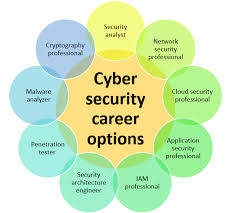
Cybersecurity offers various career paths depending on your skills and interests. Here are some common roles:

1. Security Analyst

  • Monitors networks for security threats

  • Investigates incidents and reports vulnerabilities

  • Implements security measures

2. Penetration Tester (Ethical Hacker)

  • Conducts simulated attacks to test security defenses

  • Identifies weaknesses and recommends fixes

  • Works with companies to improve their security posture

3. Incident Responder

  • Detects and responds to cyberattacks

  • Analyzes and mitigates security incidents

  • Works to prevent future attacks

4. Security Engineer

  • Designs and builds secure systems

  • Develops tools to prevent cyber threats

  • Works closely with IT teams to implement security solutions

5. Cybersecurity Consultant

  • Advises businesses on security best practices

  • Helps organizations comply with security regulations

  • Assists in developing security policies

6. Chief Information Security Officer (CISO)

  • Oversees an organization’s cybersecurity strategy

  • Manages security teams and policies

  • Works with executives to ensure data protection

Salary and Job Outlook

Cybersecurity careers are well-paying and offer strong job security. Here’s an estimate of salaries for different roles:

  • Security Analyst – $70,000 to $100,000 per year

  • Penetration Tester – $90,000 to $130,000 per year

  • Incident Responder – $80,000 to $120,000 per year

  • Security Engineer – $100,000 to $140,000 per year

  • CISO – $150,000 to $250,000+ per year

The job market for cybersecurity professionals is expected to grow by over 30% in the next decade, making it one of the best fields to enter.

Tips for Success in Cyber Security

  • Stay Updated – Cyber threats evolve, so keep learning new technologies and threats.

  • Network with Professionals – Join cybersecurity forums, LinkedIn groups, and conferences.

  • Work on Personal Projects – Try ethical hacking challenges on platforms like TryHackMe and Hack The Box.

  • Develop Soft Skills – Communication and problem-solving skills are as important as technical knowledge.

Conclusion

A career in cybersecurity offers excellent opportunities, job security, and high salaries. Whether you start with a degree, certifications, or hands-on practice, there are multiple ways to enter this field. By continuously learning and gaining experience, you can build a successful career in protecting the digital world.

If you are passionate about technology and security, now is the perfect time to start your cybersecurity journey!

How to Build a Successful Career in Cyber Security

621.3k
2025-03-26 04:11:09

In today’s digital world, cybersecurity has become one of the most in-demand and fastest-growing fields. With the increasing number of cyber threats, businesses, governments, and individuals need experts who can protect their sensitive data. If you are interested in technology and problem-solving, a career in cybersecurity can be a great choice.


What is Cyber Security?

Cybersecurity is the practice of protecting computers, networks, and data from cyber threats. These threats include hacking, malware, phishing attacks, and other online dangers. Cybersecurity professionals work to secure systems, detect vulnerabilities, and respond to cyber incidents.

Why Choose a Career in Cyber Security?

  • High Demand – Cybersecurity jobs are growing rapidly, and there is a shortage of skilled professionals.

  • Job Security – With the rise in cybercrime, cybersecurity experts will always be needed.

  • Good Salary – Cybersecurity professionals earn high salaries, even at entry-level positions.

  • Exciting Work – The field is dynamic and involves solving complex challenges.

How to Start a Career in Cyber Security

There are different paths to enter cybersecurity, depending on your background and interests. Below are the key steps to build a successful career.

1. Get the Right Education

A strong foundation in IT and security concepts is essential. You can start with:

  • Degree Programs – A Bachelor’s degree in Cybersecurity, Computer Science, or Information Technology is helpful.

  • Online Courses and Certifications – If you don’t have a degree, you can take online courses on platforms like Coursera, Udemy, or Cybrary.

  • Bootcamps – Cybersecurity bootcamps offer intensive, short-term training for those looking to enter the field quickly.

2. Gain Relevant Skills

To be successful in cybersecurity, you need to learn key skills, such as:

  • Networking and security fundamentals

  • Ethical hacking and penetration testing

  • Encryption and data protection

  • Cloud security and risk management

  • Incident response and forensics

3. Earn Cybersecurity Certifications

Certifications help you stand out to employers. Some of the best certifications include:

  • CompTIA Security+ – Great for beginners, covering basic security concepts.

  • Certified Ethical Hacker (CEH) – Focuses on hacking techniques and penetration testing.

  • Certified Information Systems Security Professional (CISSP) – For advanced security professionals.

  • Certified Information Security Manager (CISM) – For management-level cybersecurity roles.

4. Gain Hands-on Experience

Practical experience is crucial. Here’s how you can gain it:

  • Internships – Apply for cybersecurity internships to gain real-world exposure.

  • Bug Bounty Programs – Platforms like HackerOne and Bugcrowd allow you to find and report security flaws for rewards.

  • Home Labs – Set up your own cybersecurity lab to practice ethical hacking and testing.

Career Paths in Cyber Security

Cybersecurity offers various career paths depending on your skills and interests. Here are some common roles:

1. Security Analyst

  • Monitors networks for security threats

  • Investigates incidents and reports vulnerabilities

  • Implements security measures

2. Penetration Tester (Ethical Hacker)

  • Conducts simulated attacks to test security defenses

  • Identifies weaknesses and recommends fixes

  • Works with companies to improve their security posture

3. Incident Responder

  • Detects and responds to cyberattacks

  • Analyzes and mitigates security incidents

  • Works to prevent future attacks

4. Security Engineer

  • Designs and builds secure systems

  • Develops tools to prevent cyber threats

  • Works closely with IT teams to implement security solutions

5. Cybersecurity Consultant

  • Advises businesses on security best practices

  • Helps organizations comply with security regulations

  • Assists in developing security policies

6. Chief Information Security Officer (CISO)

  • Oversees an organization’s cybersecurity strategy

  • Manages security teams and policies

  • Works with executives to ensure data protection

Salary and Job Outlook

Cybersecurity careers are well-paying and offer strong job security. Here’s an estimate of salaries for different roles:

  • Security Analyst – $70,000 to $100,000 per year

  • Penetration Tester – $90,000 to $130,000 per year

  • Incident Responder – $80,000 to $120,000 per year

  • Security Engineer – $100,000 to $140,000 per year

  • CISO – $150,000 to $250,000+ per year

The job market for cybersecurity professionals is expected to grow by over 30% in the next decade, making it one of the best fields to enter.

Tips for Success in Cyber Security

  • Stay Updated – Cyber threats evolve, so keep learning new technologies and threats.

  • Network with Professionals – Join cybersecurity forums, LinkedIn groups, and conferences.

  • Work on Personal Projects – Try ethical hacking challenges on platforms like TryHackMe and Hack The Box.

  • Develop Soft Skills – Communication and problem-solving skills are as important as technical knowledge.

Conclusion

A career in cybersecurity offers excellent opportunities, job security, and high salaries. Whether you start with a degree, certifications, or hands-on practice, there are multiple ways to enter this field. By continuously learning and gaining experience, you can build a successful career in protecting the digital world.

If you are passionate about technology and security, now is the perfect time to start your cybersecurity journey!

Comments

Recommended

Fast-Track Your Future: Bootcamps and Job Guarantees
fortrayglobalservices
55
Cloud Security Tips to Avoid Cyber Threats
fortrayglobalservices
422.3k
Healthcare Regulatory Affairs Outsourcing Market Industry Size, Share and Competitive 2026
V_7A2SDFJO
69
Download Vipon App to get great deals now!
...
Amazon Coupons Loading…