Amazon Coupons
Vipon > V Show > Residential Roofing: Everything Homeowners Should Know Share great deals & products and save together.

Residential Roofing: Everything Homeowners Should Know

2025-03-28 17:08:04
Report

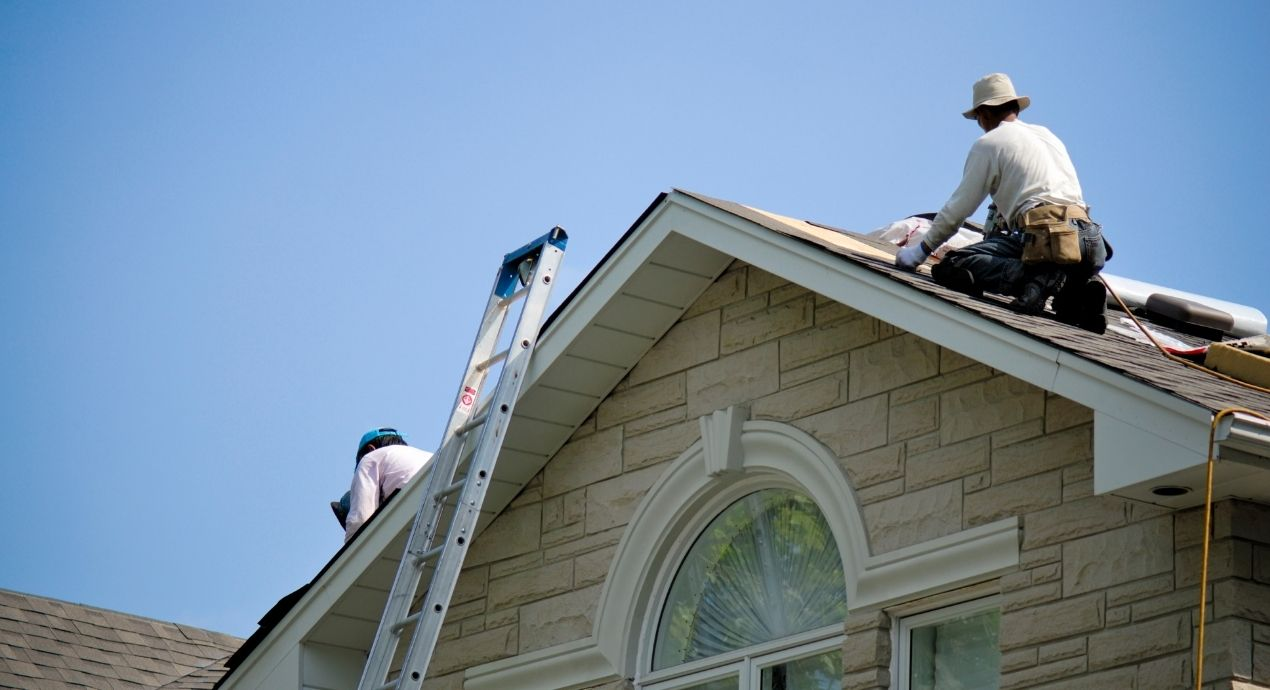
A good roof protects your home from rain, wind, heat, and snow. It also adds value to your house. Whether you’re building a new home or replacing an old roof, it’s important to understand your options and how the process works. This guide will walk you through the basics of residential roofing.

What Is Residential Roofing?

Residential roofing refers to the materials and installation methods used to cover and protect houses. Unlike commercial roofing, which often uses flat or low-slope systems, residential roofs usually have steeper slopes and different materials like asphalt shingles, metal, clay tiles, or wood shakes.


Types of Residential Roofing Materials

Choosing the right roofing material depends on your budget, climate, and the look you want for your home. Below are the most common options:

1. Asphalt Shingles

  • Most popular in North America.

  • Affordable and easy to install.

  • Lifespan: 15–30 years.

  • Available in various colors and styles.

2. Metal Roofing

  • Durable and lightweight.

  • Reflects sunlight, helping to lower cooling costs.

  • Lifespan: 40–70 years.

  • Higher upfront cost, but low maintenance.

3. Clay or Concrete Tiles

  • Common in hot and dry climates.

  • Fire-resistant and very long-lasting.

  • Lifespan: 50–100 years.

  • Heavy, may require extra structural support.

4. Wood Shingles and Shakes

  • Natural appearance.

  • Usually made from cedar or redwood.

  • Lifespan: 20–40 years.

  • Needs more maintenance and may not be fire-safe in some areas.

5. Slate

  • High-end material, known for its beauty.

  • Very long-lasting and fireproof.

  • Lifespan: 75–150 years.

  • Expensive and heavy.


Signs You Need a New Roof


Not sure if your roof needs replacing? Here are some common signs:

  • Missing or curling shingles

  • Leaks or water stains on the ceiling

  • Mold or moss growth

  • Sagging roofline

  • Roof age over 20 years (for asphalt shingles)

If you notice any of these, it’s a good idea to call a roofing contractor for an inspection.


Roofing Installation Process

Here’s what typically happens when you get a new roof:

1. Inspection and Estimate

A roofing contractor checks your current roof and provides a quote.

2. Removing the Old Roof

The old roofing material is removed down to the deck.

3. Repairs to the Deck

Any damaged plywood or sheathing is fixed or replaced.

4. Laying Underlayment

A waterproof barrier is added to protect from leaks.

5. Installing New Roofing

Shingles, tiles, or panels are installed over the underlayment.

6. Clean-up and Final Inspection

Debris is cleared, and the final inspection is done to ensure quality work.


Roof Maintenance Tips

To extend your roof’s life, follow these simple maintenance steps:

  • Inspect your roof twice a year (spring and fall).

  • Clean gutters regularly to prevent water damage.

  • Trim overhanging tree branches to avoid debris buildup.

  • Check for moss or algae and clean it with gentle solutions.

  • Fix small issues early to avoid bigger, costlier repairs.


Hiring a Roofing Contractor: What to Look For

Choosing the right contractor is just as important as picking the right roofing material. Keep the following points in mind:

  • Licensed and insured: Protects you from liability.

  • Local experience: Familiar with weather and building codes in your area.

  • Positive reviews: Check online ratings and ask for references.

  • Warranty options: Look for both material and labor warranties.

  • Detailed quote: Should include labor, materials, and timeline.


Final Thoughts

Your roof is one of the most important parts of your home. It keeps your family safe, protects your belongings, and affects your home’s overall look and energy use. Whether you're repairing, replacing, or maintaining it, understanding your roofing options helps you make better decisions.

If you’re unsure where to start, reach out to a trusted local roofer for a home inspection. Regular care and proper installation go a long way in keeping your roof in great shape for years to come.

Residential Roofing: Everything Homeowners Should Know

825.4k
2025-03-28 17:08:04

A good roof protects your home from rain, wind, heat, and snow. It also adds value to your house. Whether you’re building a new home or replacing an old roof, it’s important to understand your options and how the process works. This guide will walk you through the basics of residential roofing.

What Is Residential Roofing?

Residential roofing refers to the materials and installation methods used to cover and protect houses. Unlike commercial roofing, which often uses flat or low-slope systems, residential roofs usually have steeper slopes and different materials like asphalt shingles, metal, clay tiles, or wood shakes.


Types of Residential Roofing Materials

Choosing the right roofing material depends on your budget, climate, and the look you want for your home. Below are the most common options:

1. Asphalt Shingles

  • Most popular in North America.

  • Affordable and easy to install.

  • Lifespan: 15–30 years.

  • Available in various colors and styles.

2. Metal Roofing

  • Durable and lightweight.

  • Reflects sunlight, helping to lower cooling costs.

  • Lifespan: 40–70 years.

  • Higher upfront cost, but low maintenance.

3. Clay or Concrete Tiles

  • Common in hot and dry climates.

  • Fire-resistant and very long-lasting.

  • Lifespan: 50–100 years.

  • Heavy, may require extra structural support.

4. Wood Shingles and Shakes

  • Natural appearance.

  • Usually made from cedar or redwood.

  • Lifespan: 20–40 years.

  • Needs more maintenance and may not be fire-safe in some areas.

5. Slate

  • High-end material, known for its beauty.

  • Very long-lasting and fireproof.

  • Lifespan: 75–150 years.

  • Expensive and heavy.


Signs You Need a New Roof


Not sure if your roof needs replacing? Here are some common signs:

  • Missing or curling shingles

  • Leaks or water stains on the ceiling

  • Mold or moss growth

  • Sagging roofline

  • Roof age over 20 years (for asphalt shingles)

If you notice any of these, it’s a good idea to call a roofing contractor for an inspection.


Roofing Installation Process

Here’s what typically happens when you get a new roof:

1. Inspection and Estimate

A roofing contractor checks your current roof and provides a quote.

2. Removing the Old Roof

The old roofing material is removed down to the deck.

3. Repairs to the Deck

Any damaged plywood or sheathing is fixed or replaced.

4. Laying Underlayment

A waterproof barrier is added to protect from leaks.

5. Installing New Roofing

Shingles, tiles, or panels are installed over the underlayment.

6. Clean-up and Final Inspection

Debris is cleared, and the final inspection is done to ensure quality work.


Roof Maintenance Tips

To extend your roof’s life, follow these simple maintenance steps:

  • Inspect your roof twice a year (spring and fall).

  • Clean gutters regularly to prevent water damage.

  • Trim overhanging tree branches to avoid debris buildup.

  • Check for moss or algae and clean it with gentle solutions.

  • Fix small issues early to avoid bigger, costlier repairs.


Hiring a Roofing Contractor: What to Look For

Choosing the right contractor is just as important as picking the right roofing material. Keep the following points in mind:

  • Licensed and insured: Protects you from liability.

  • Local experience: Familiar with weather and building codes in your area.

  • Positive reviews: Check online ratings and ask for references.

  • Warranty options: Look for both material and labor warranties.

  • Detailed quote: Should include labor, materials, and timeline.


Final Thoughts

Your roof is one of the most important parts of your home. It keeps your family safe, protects your belongings, and affects your home’s overall look and energy use. Whether you're repairing, replacing, or maintaining it, understanding your roofing options helps you make better decisions.

If you’re unsure where to start, reach out to a trusted local roofer for a home inspection. Regular care and proper installation go a long way in keeping your roof in great shape for years to come.

Comments

Recommended

Home Repair Services: Keeping Your Home Safe, Functional, and Beautiful
VIPON_221726158600
162
Why Hiring a House Cleaning Service is Worth It
VIPON_221726158600
119
Honey Bee Removal Explained: Why It Matters and How It’s Done
VIPON_221726158600
232
Download Vipon App to get great deals now!
...
Amazon Coupons Loading…