Amazon Coupons
Vipon > V Show > Creating Statement Entrances with Large Artificial Trees: Transforming First Impressions Share great deals & products and save together.

Creating Statement Entrances with Large Artificial Trees: Transforming First Impressions

2025-04-18 12:51:28
Report

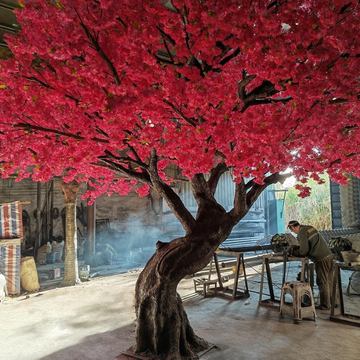
As an interior designer specializing in commercial spaces, I've learned that entrance aesthetics disproportionately influence how clients perceive entire businesses. Those critical first three seconds when someone walks through your door create lasting impressions that affect everything from client confidence to employee morale. Large artificial trees have become my secret weapon for transforming ordinary entrances into memorable spaces that communicate professionalism, success, and attention to detail.


The Entrance Impact Phenomenon


Research consistently demonstrates that entrance aesthetics powerfully influence perception. In one study I reference frequently, visitors shown identical office layouts rated spaces with impressive entrances as more professional, successful, and trustworthy than those with basic entries—despite identical interior quality.


I've observed this phenomenon repeatedly across projects. Businesses investing in dramatic entrance statements report improved client feedback, easier recruitment, and even better vendor relationships. People simply respond positively to environments that feel intentionally designed rather than merely functional.


Why Large Trees Work So Effectively


Large artificial trees create entrance impact through multiple psychological mechanisms that smaller decorative elements can't replicate:


Vertical Drama: Most entrance areas feature horizontal emphasis—reception desks, seating, artwork. Large trees introduce dramatic vertical elements that draw eyes upward, making spaces feel more expansive and impressive. This vertical visual interest creates memorable moments that standard décor rarely achieves.

Organic Contrast: Commercial spaces typically feature geometric architecture—straight lines, right angles, hard materials. Large trees introduce organic forms that provide visual relief and psychological comfort. This natural element softens environments while maintaining professional aesthetics.


Scale Communication: Substantial trees immediately communicate that a business invests in quality environments. The implicit message: "We value our space and by extension value our clients and employees." This perception matters more than most business owners initially recognize.


Year-Round Consistency: Living large trees in entrance areas face impossible challenges—limited light, climate control variations, and continuous stress from traffic and activity. They rarely look impressive consistently. Artificial alternatives maintain perfect appearance regardless of conditions.


Selecting Appropriate Tree Species


Not all artificial tree varieties work equally well for entrance statements. Through numerous projects, I've identified species that consistently deliver impressive results:


Fiddle Leaf Figs: These have become extremely popular for good reason. Their large, distinctive leaves create bold statements while maintaining sophisticated aesthetics. Heights of 7-10 feet work beautifully for standard ceiling heights.

Olive Trees: For Mediterranean or organic-modern aesthetics, olive trees provide elegant presence without overwhelming spaces. Their silvery foliage catches light beautifully, creating visual interest throughout the day.


Palms: Various palm species suit different design styles. Areca palms deliver tropical elegance, while fan palms create more dramatic architectural statements. Height options from 6-12 feet accommodate various ceiling heights.

Bamboo: For Asian-inspired or zen aesthetics, bamboo provides vertical drama with airy lightness. Bamboo works particularly well in narrower entrance areas where bulkier trees might feel cramped.


Banyan or Ficus Trees: These create the most dramatic impact with their substantial trunk structures and dense canopies. Best suited for larger entrances with high ceilings where their impressive scale can be properly appreciated.


Quality Considerations for Commercial Applications


Entrance trees endure significant environmental challenges—constant temperature fluctuations from doors opening, varying light conditions, and scrutiny from every visitor. Quality becomes absolutely critical for maintaining impressive appearance long-term.


Premium artificial trees designed for commercial applications feature construction standards that consumer-grade products can't match. Commercial artificial trees use UV-stabilized materials that resist fading near windows and glass doors. Trunks feature realistic texture and weathering that withstands close inspection. Leaf attachment methods ensure foliage doesn't detach or droop over time.


I've learned expensive lessons about quality differences. Early in my career, I specified budget artificial trees for a client entrance to save costs. Within six months, fading and deterioration made them look terrible—far worse than having no trees at all. We replaced them with premium alternatives that still look perfect five years later. The "expensive" quality trees actually cost less long-term than cheap trees requiring early replacement.


Strategic Placement Principles


Large entrance trees deliver maximum impact when positioned strategically:

Flanking Entries: Positioning substantial trees on both sides of entrance doors creates formal, impressive framing that immediately establishes tone. This symmetrical approach works beautifully for professional services, financial institutions, and luxury retail.


Corner Anchoring: Placing a dramatic tree in a prominent corner creates focal points while softening hard architectural angles. This approach works well for modern spaces where symmetry feels too traditional.

Behind Reception: A large tree positioned behind reception desks creates striking backdrops for the first face-to-face interaction visitors experience. This placement ensures the tree features in every conversation happening at the reception point.

Window Placement: Trees positioned near entrance windows or glass walls benefit from natural light that enhances their realistic appearance while creating visual interest from both interior and exterior perspectives.


Height and Proportion Guidelines


Proper scaling ensures trees create impressive statements without overwhelming spaces:

Standard Ceilings (8-10 feet): Trees of 6-8 feet work well, leaving appropriate clearance while establishing presence.

Higher Ceilings (10-14 feet): Trees of 8-12 feet suit these spaces, taking advantage of vertical volume without feeling cramped.


Dramatic Ceilings (14+ feet): Trees reaching 10-14 feet can be accommodated, though multiple medium-height trees sometimes create better visual interest than single oversized specimens.


Container Selection Matters


Planters significantly impact overall aesthetics. I specify containers that complement rather than compete with trees:

Material Choices: Natural materials—concrete, stone, wood, ceramic—enhance artificial trees' realism. Plastic planters undermine quality trees regardless of tree excellence.


Proportion: Planters should be substantial enough to visually support large trees without overwhelming them. As a rule, planter height should be roughly 1/4 to 1/3 of total tree height.


Style Alignment: Container style must align with overall design aesthetic. Modern spaces need clean-lined contemporary planters, while traditional environments suit more ornate options.


Real-World Success Stories


A law firm client was struggling with their entrance impression. The space felt cold and uninviting despite expensive furniture and artwork. We added two 9-foot fiddle leaf figs flanking the reception area. Client feedback immediately shifted—intake forms began including comments about "beautiful office" and "welcoming environment." The firm's managing partner attributed improved client relationships partially to the enhanced entrance experience.


A medical practice with a sterile-feeling entrance added a substantial 10-foot olive tree in their waiting area corner. Patient anxiety scores decreased measurably in post-visit surveys—patients specifically mentioned the "calming, natural environment" that the single tree helped create.


Maintenance Simplicity


Unlike living large trees requiring specialized care, artificial alternatives need only periodic dusting. I recommend professional cleaning quarterly for entrance trees experiencing heavy traffic and dust exposure. This minimal maintenance keeps trees looking pristine year-round without the worry, expense, and inconsistency that living specimens inevitably create.


Conclusion


Large artificial trees transform entrance experiences in ways that few other design elements can match. They create vertical drama, provide organic visual relief, and communicate quality that influences how visitors perceive entire businesses. For commercial spaces where first impressions matter—which is essentially all of them—investing in quality large artificial trees delivers returns far exceeding their cost through improved perception, enhanced environments, and memorable experiences that distinguish businesses from competitors.

Creating Statement Entrances with Large Artificial Trees: Transforming First Impressions

698
2025-04-18 12:51:28

As an interior designer specializing in commercial spaces, I've learned that entrance aesthetics disproportionately influence how clients perceive entire businesses. Those critical first three seconds when someone walks through your door create lasting impressions that affect everything from client confidence to employee morale. Large artificial trees have become my secret weapon for transforming ordinary entrances into memorable spaces that communicate professionalism, success, and attention to detail.


The Entrance Impact Phenomenon


Research consistently demonstrates that entrance aesthetics powerfully influence perception. In one study I reference frequently, visitors shown identical office layouts rated spaces with impressive entrances as more professional, successful, and trustworthy than those with basic entries—despite identical interior quality.


I've observed this phenomenon repeatedly across projects. Businesses investing in dramatic entrance statements report improved client feedback, easier recruitment, and even better vendor relationships. People simply respond positively to environments that feel intentionally designed rather than merely functional.


Why Large Trees Work So Effectively


Large artificial trees create entrance impact through multiple psychological mechanisms that smaller decorative elements can't replicate:


Vertical Drama: Most entrance areas feature horizontal emphasis—reception desks, seating, artwork. Large trees introduce dramatic vertical elements that draw eyes upward, making spaces feel more expansive and impressive. This vertical visual interest creates memorable moments that standard décor rarely achieves.

Organic Contrast: Commercial spaces typically feature geometric architecture—straight lines, right angles, hard materials. Large trees introduce organic forms that provide visual relief and psychological comfort. This natural element softens environments while maintaining professional aesthetics.


Scale Communication: Substantial trees immediately communicate that a business invests in quality environments. The implicit message: "We value our space and by extension value our clients and employees." This perception matters more than most business owners initially recognize.


Year-Round Consistency: Living large trees in entrance areas face impossible challenges—limited light, climate control variations, and continuous stress from traffic and activity. They rarely look impressive consistently. Artificial alternatives maintain perfect appearance regardless of conditions.


Selecting Appropriate Tree Species


Not all artificial tree varieties work equally well for entrance statements. Through numerous projects, I've identified species that consistently deliver impressive results:


Fiddle Leaf Figs: These have become extremely popular for good reason. Their large, distinctive leaves create bold statements while maintaining sophisticated aesthetics. Heights of 7-10 feet work beautifully for standard ceiling heights.

Olive Trees: For Mediterranean or organic-modern aesthetics, olive trees provide elegant presence without overwhelming spaces. Their silvery foliage catches light beautifully, creating visual interest throughout the day.


Palms: Various palm species suit different design styles. Areca palms deliver tropical elegance, while fan palms create more dramatic architectural statements. Height options from 6-12 feet accommodate various ceiling heights.

Bamboo: For Asian-inspired or zen aesthetics, bamboo provides vertical drama with airy lightness. Bamboo works particularly well in narrower entrance areas where bulkier trees might feel cramped.


Banyan or Ficus Trees: These create the most dramatic impact with their substantial trunk structures and dense canopies. Best suited for larger entrances with high ceilings where their impressive scale can be properly appreciated.


Quality Considerations for Commercial Applications


Entrance trees endure significant environmental challenges—constant temperature fluctuations from doors opening, varying light conditions, and scrutiny from every visitor. Quality becomes absolutely critical for maintaining impressive appearance long-term.


Premium artificial trees designed for commercial applications feature construction standards that consumer-grade products can't match. Commercial artificial trees use UV-stabilized materials that resist fading near windows and glass doors. Trunks feature realistic texture and weathering that withstands close inspection. Leaf attachment methods ensure foliage doesn't detach or droop over time.


I've learned expensive lessons about quality differences. Early in my career, I specified budget artificial trees for a client entrance to save costs. Within six months, fading and deterioration made them look terrible—far worse than having no trees at all. We replaced them with premium alternatives that still look perfect five years later. The "expensive" quality trees actually cost less long-term than cheap trees requiring early replacement.


Strategic Placement Principles


Large entrance trees deliver maximum impact when positioned strategically:

Flanking Entries: Positioning substantial trees on both sides of entrance doors creates formal, impressive framing that immediately establishes tone. This symmetrical approach works beautifully for professional services, financial institutions, and luxury retail.


Corner Anchoring: Placing a dramatic tree in a prominent corner creates focal points while softening hard architectural angles. This approach works well for modern spaces where symmetry feels too traditional.

Behind Reception: A large tree positioned behind reception desks creates striking backdrops for the first face-to-face interaction visitors experience. This placement ensures the tree features in every conversation happening at the reception point.

Window Placement: Trees positioned near entrance windows or glass walls benefit from natural light that enhances their realistic appearance while creating visual interest from both interior and exterior perspectives.


Height and Proportion Guidelines


Proper scaling ensures trees create impressive statements without overwhelming spaces:

Standard Ceilings (8-10 feet): Trees of 6-8 feet work well, leaving appropriate clearance while establishing presence.

Higher Ceilings (10-14 feet): Trees of 8-12 feet suit these spaces, taking advantage of vertical volume without feeling cramped.


Dramatic Ceilings (14+ feet): Trees reaching 10-14 feet can be accommodated, though multiple medium-height trees sometimes create better visual interest than single oversized specimens.


Container Selection Matters


Planters significantly impact overall aesthetics. I specify containers that complement rather than compete with trees:

Material Choices: Natural materials—concrete, stone, wood, ceramic—enhance artificial trees' realism. Plastic planters undermine quality trees regardless of tree excellence.


Proportion: Planters should be substantial enough to visually support large trees without overwhelming them. As a rule, planter height should be roughly 1/4 to 1/3 of total tree height.


Style Alignment: Container style must align with overall design aesthetic. Modern spaces need clean-lined contemporary planters, while traditional environments suit more ornate options.


Real-World Success Stories


A law firm client was struggling with their entrance impression. The space felt cold and uninviting despite expensive furniture and artwork. We added two 9-foot fiddle leaf figs flanking the reception area. Client feedback immediately shifted—intake forms began including comments about "beautiful office" and "welcoming environment." The firm's managing partner attributed improved client relationships partially to the enhanced entrance experience.


A medical practice with a sterile-feeling entrance added a substantial 10-foot olive tree in their waiting area corner. Patient anxiety scores decreased measurably in post-visit surveys—patients specifically mentioned the "calming, natural environment" that the single tree helped create.


Maintenance Simplicity


Unlike living large trees requiring specialized care, artificial alternatives need only periodic dusting. I recommend professional cleaning quarterly for entrance trees experiencing heavy traffic and dust exposure. This minimal maintenance keeps trees looking pristine year-round without the worry, expense, and inconsistency that living specimens inevitably create.


Conclusion


Large artificial trees transform entrance experiences in ways that few other design elements can match. They create vertical drama, provide organic visual relief, and communicate quality that influences how visitors perceive entire businesses. For commercial spaces where first impressions matter—which is essentially all of them—investing in quality large artificial trees delivers returns far exceeding their cost through improved perception, enhanced environments, and memorable experiences that distinguish businesses from competitors.

Comments

Recommended

How to Secure the Data-in-Use Gap with Confidential Computing
VIPON_451731948154
562
Лазерная резка листового металла Киев
VIPON_451731948154
601
Epic Adult Birthday in Dubai: Why a VR Party is the Ultimate Choice
VIPON_451731948154
473
Download Vipon App to get great deals now!
...
Amazon Coupons Loading…