Exclusive
To get our best deals and discounts Subscribe Below!
Continue As A Guest
Continue As A Guest
Updata
Hey! Thank you so much for your support and quality posts for V Show!
And congratulations on becoming our Vipon Associated Editor.
From now on, in addition to getting 10 points for each post (up to 30 points daily), we will regularly review each of your articles, and each approved article (tagged with Featured label) will be paid an additional $50.
Note: Not all articles you posted will get $50, only those that meet our requirements will be paid, and articles or contents that do not meet the requirements will be removed.
Please continue to produce high quality content for organic likes. Our shoppers love seeing your stories & posts!
Congratulations! Your V SHOW post Planting Tips has become our Featured content, we will pay $50 for this post. Please check on your balance. Please continue to produce high quality original content!

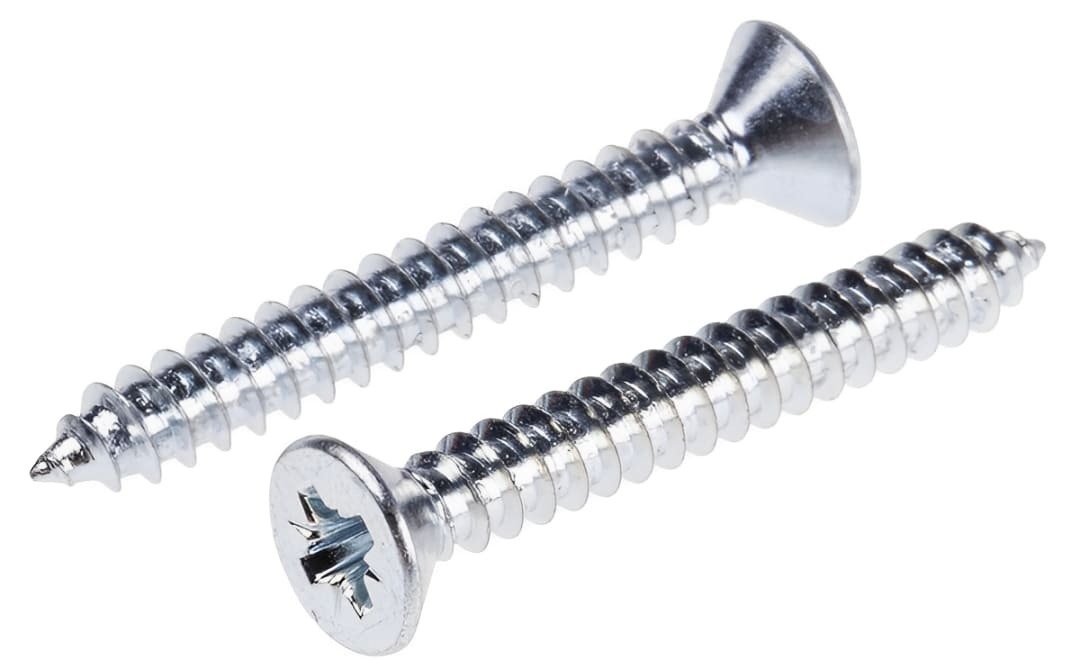
Self-tapping screws are a type of fastener that plays a crucial role in the world of construction, metalwork, automotive, and electronics. These unique screws are engineered to tap their hole as they are driven into materials such as metal, plastic, or wood. This eliminates the need for pre-drilling and significantly simplifies assembly processes. Whether you are a professional contractor, a mechanic, or a DIY enthusiast, understanding the functionality, benefits, and applications of self-tapping screws can elevate your work and improve fastening efficiency.
Self-tapping screws are specially designed screws that can form or cut threads into the material they are being driven into. Unlike traditional screws that require a pilot hole or thread tapping beforehand, self-tapping screws streamline the process by combining drilling and fastening into one action. They come in various types, including thread-forming and thread-cutting varieties. Thread-forming screws displace material to create threads, while thread-cutting screws remove material to form threads—ideal for more complex substances like metals.
The design of self-tapping screws typically includes a sharp point and cutting blades that help penetrate the surface. As the screw rotates, it carves threads into the material, locking itself firmly in place. The screw’s tip design—whether it is a pointed or blunt end—determines the material it is best suited for. For instance, pointed self-tapping screws are better for softer materials like wood and plastic, while blunt tips are used in harder materials such as metal or masonry.
These screws are used in softer materials such as plastic. They do not remove material but instead displace it to create threads. This type offers excellent resistance to loosening and is commonly used in electronics and plastic enclosures.
These are more aggressive and are capable of cutting away material to form internal threads. They are ideal for metal or hard plastics and provide a more secure fastening in rigid materials.
Typically used in automotive and HVAC applications, these screws are optimized for fastening metal sheets together. They come with a variety of head types, including pan, flat, and hex heads.
Self-Drilling Capability: Eliminates the need for a pilot hole, saving time and labour.
High Torque Retention: Once installed, these screws offer excellent grip and hold.
Variety of Heads: Available in countersunk, pan, round, hex, and other head styles to suit diverse applications.
Material Options: Manufactured in stainless steel, brass, carbon steel, and coated versions for corrosion resistance.
Thread Design: Designed with sharp, precise threading to ensure consistent performance.
Self-tapping screws offer several practical and performance-related advantages:
Time-Efficient: Reduces assembly time significantly by removing the need for pre-drilling.
Cost-Effective: Decreases the need for additional tools or equipment, making them economical.
Versatile: Suitable for a wide range of materials and applications.
Strong Hold: Provides a secure, vibration-resistant hold even in dynamic environments.
Reusable: In many cases, these screws can be unscrewed and reused without damaging the thread.
Self-tapping screws are widely used in timber framing, cabinetry, decking, and general woodwork. Their ability to secure wood without splitting makes them ideal for quick fixes and long-term structural applications.
In automotive assembly, especially in bodywork and underbody components, these screws are used to fasten metal parts together efficiently. Their vibration resistance is particularly beneficial in this context.
Electronics housings, circuit board enclosures, and other plastic or metal casings use self-tapping screws to provide a tamper-proof and reliable fit.
Ductwork, vents, and plumbing brackets are often installed with self-tapping screws due to their ease of use and ability to hold firm in sheet metal and plastic.
Flat-pack and custom furniture often rely on self-tapping screws for assembly. They are ideal for joining metal brackets to wooden frames or attaching hinges.
When selecting self-tapping screws, consider the following factors:
Material Compatibility: Match the screw material with the workpiece material to avoid corrosion or galvanic reaction.
Screw Head Type: Choose the appropriate head style for the desired finish (e.g., countersunk for flush finishes).
Length and Diameter: Ensure the screw dimensions match the depth and width of the material for optimal holding strength.
Thread Type: Fine threads are ideal for metal, while coarse threads are better for wood or plastic.
Coating/Finish: For outdoor or corrosive environments, opt for coated or stainless-steel variants.
Use the Correct Driver: Always use a compatible screwdriver or drill bit to prevent stripping.
Apply Consistent Pressure: Maintain steady pressure to allow the screw to self-tap effectively without skidding.
Don’t Overtighten: Excessive torque can strip the threads or damage the material.
Pilot Holes (Optional): In very hard materials or thin sheets, a small pilot hole can ease the process.
Lubrication (if needed): When working with dense materials, using a small amount of lubricant can reduce friction and extend the screw’s life.
Modern manufacturing and material science have led to innovations such as:
Corrosion-Resistant Coatings: Zinc-plated, ceramic-coated, or stainless-steel variants that last longer in harsh environments.
High-Precision Threading: Improves engagement and minimises loosening over time.
Bi-Metal Screws: Combines two metals to provide strength and flexibility in specific conditions.
Colour-Coded Heads: Helpful in industries where fastener identification is crucial.
While self-tapping screws are incredibly useful, responsible use is essential. Discarded or stripped screws can create safety hazards and waste. Always dispose of damaged screws properly and consider recyclable materials. In electrical applications, ensure the screws do not short circuit any components or interfere with current pathways.
Self-tapping screws have revolutionized how industries approach fastening. Their ability to create threads during installation makes them indispensable for applications requiring speed, strength, and simplicity. From construction to electronics, they offer a universal solution to complex fastening challenges. As technology continues to advance, self-tapping screws will likely evolve further—offering even more precision, durability, and application-specific benefits. For professionals and hobbyists alike, understanding and utilizing self-tapping screws effectively can result in better project outcomes, reduced labor, and enhanced reliability.

Self-tapping screws are a type of fastener that plays a crucial role in the world of construction, metalwork, automotive, and electronics. These unique screws are engineered to tap their hole as they are driven into materials such as metal, plastic, or wood. This eliminates the need for pre-drilling and significantly simplifies assembly processes. Whether you are a professional contractor, a mechanic, or a DIY enthusiast, understanding the functionality, benefits, and applications of self-tapping screws can elevate your work and improve fastening efficiency.
Self-tapping screws are specially designed screws that can form or cut threads into the material they are being driven into. Unlike traditional screws that require a pilot hole or thread tapping beforehand, self-tapping screws streamline the process by combining drilling and fastening into one action. They come in various types, including thread-forming and thread-cutting varieties. Thread-forming screws displace material to create threads, while thread-cutting screws remove material to form threads—ideal for more complex substances like metals.
The design of self-tapping screws typically includes a sharp point and cutting blades that help penetrate the surface. As the screw rotates, it carves threads into the material, locking itself firmly in place. The screw’s tip design—whether it is a pointed or blunt end—determines the material it is best suited for. For instance, pointed self-tapping screws are better for softer materials like wood and plastic, while blunt tips are used in harder materials such as metal or masonry.
These screws are used in softer materials such as plastic. They do not remove material but instead displace it to create threads. This type offers excellent resistance to loosening and is commonly used in electronics and plastic enclosures.
These are more aggressive and are capable of cutting away material to form internal threads. They are ideal for metal or hard plastics and provide a more secure fastening in rigid materials.
Typically used in automotive and HVAC applications, these screws are optimized for fastening metal sheets together. They come with a variety of head types, including pan, flat, and hex heads.
Self-Drilling Capability: Eliminates the need for a pilot hole, saving time and labour.
High Torque Retention: Once installed, these screws offer excellent grip and hold.
Variety of Heads: Available in countersunk, pan, round, hex, and other head styles to suit diverse applications.
Material Options: Manufactured in stainless steel, brass, carbon steel, and coated versions for corrosion resistance.
Thread Design: Designed with sharp, precise threading to ensure consistent performance.
Self-tapping screws offer several practical and performance-related advantages:
Time-Efficient: Reduces assembly time significantly by removing the need for pre-drilling.
Cost-Effective: Decreases the need for additional tools or equipment, making them economical.
Versatile: Suitable for a wide range of materials and applications.
Strong Hold: Provides a secure, vibration-resistant hold even in dynamic environments.
Reusable: In many cases, these screws can be unscrewed and reused without damaging the thread.
Self-tapping screws are widely used in timber framing, cabinetry, decking, and general woodwork. Their ability to secure wood without splitting makes them ideal for quick fixes and long-term structural applications.
In automotive assembly, especially in bodywork and underbody components, these screws are used to fasten metal parts together efficiently. Their vibration resistance is particularly beneficial in this context.
Electronics housings, circuit board enclosures, and other plastic or metal casings use self-tapping screws to provide a tamper-proof and reliable fit.
Ductwork, vents, and plumbing brackets are often installed with self-tapping screws due to their ease of use and ability to hold firm in sheet metal and plastic.
Flat-pack and custom furniture often rely on self-tapping screws for assembly. They are ideal for joining metal brackets to wooden frames or attaching hinges.
When selecting self-tapping screws, consider the following factors:
Material Compatibility: Match the screw material with the workpiece material to avoid corrosion or galvanic reaction.
Screw Head Type: Choose the appropriate head style for the desired finish (e.g., countersunk for flush finishes).
Length and Diameter: Ensure the screw dimensions match the depth and width of the material for optimal holding strength.
Thread Type: Fine threads are ideal for metal, while coarse threads are better for wood or plastic.
Coating/Finish: For outdoor or corrosive environments, opt for coated or stainless-steel variants.
Use the Correct Driver: Always use a compatible screwdriver or drill bit to prevent stripping.
Apply Consistent Pressure: Maintain steady pressure to allow the screw to self-tap effectively without skidding.
Don’t Overtighten: Excessive torque can strip the threads or damage the material.
Pilot Holes (Optional): In very hard materials or thin sheets, a small pilot hole can ease the process.
Lubrication (if needed): When working with dense materials, using a small amount of lubricant can reduce friction and extend the screw’s life.
Modern manufacturing and material science have led to innovations such as:
Corrosion-Resistant Coatings: Zinc-plated, ceramic-coated, or stainless-steel variants that last longer in harsh environments.
High-Precision Threading: Improves engagement and minimises loosening over time.
Bi-Metal Screws: Combines two metals to provide strength and flexibility in specific conditions.
Colour-Coded Heads: Helpful in industries where fastener identification is crucial.
While self-tapping screws are incredibly useful, responsible use is essential. Discarded or stripped screws can create safety hazards and waste. Always dispose of damaged screws properly and consider recyclable materials. In electrical applications, ensure the screws do not short circuit any components or interfere with current pathways.
Self-tapping screws have revolutionized how industries approach fastening. Their ability to create threads during installation makes them indispensable for applications requiring speed, strength, and simplicity. From construction to electronics, they offer a universal solution to complex fastening challenges. As technology continues to advance, self-tapping screws will likely evolve further—offering even more precision, durability, and application-specific benefits. For professionals and hobbyists alike, understanding and utilizing self-tapping screws effectively can result in better project outcomes, reduced labor, and enhanced reliability.
Are you sure you want to stop following?
Loading…
Congrats! You are now a member!
Start requesting vouchers for promo codes by clicking the Request Deal buttons on products you want.
Sellers of Amazon products are required to sign in at www.amztracker.com
More information about placing your products on this site can be found here.
Are you having problems purchasing a product with the supplied voucher? If so, please contact the seller via the supplied email.
Also, please be patient. Sellers are pretty busy people and it can take awhile to respond to your emails.
After 2 days of receiving a voucher you can report the seller to us (using the same button) if you cannot resolve this issue with the seller.
For more information click here.
We have taken note and will also convey the problems to the seller on your behalf.
Usually the seller will rectify it soon, we suggest now you can remove this request from your dashboard and choose another deal.
If you love this deal most, we suggest you can try to request this deal after 2 days.
This will mark the product as purchased. The voucher will be permanently removed from your dashboard shortly after. Are you sure?
You are essentially competing with a whole lot of other buyers when requesting to purchase a product. The seller only has a limited amount of vouchers to give out too.
Select All Groups
✕
Adult Products
Arts, Crafts & Sewing
Automotive & Industrial
Beauty & Grooming
Cell Phones & Accessories
Electronics & Office
Health & Household
Home & Garden
Jewelry
Kitchen & Dining
Men's Clothing & Shoes
Pet Supplies
Sports & Outdoors
Toys, Kids & Baby
Watches
Women's Clothing & Shoes
Other
Adult Products
©Copyright 2026 Vipon All Right Reserved · Privacy Policy · Terms of Service · Do Not Sell My Personal Information
Certain content in this page comes from Amazon. The content is provided as is, and is subject
to change or removal at
any time. Amazon and the Amazon logo are trademarks of Amazon.com,
Inc. or its affiliates.
Comments