Exclusive
To get our best deals and discounts Subscribe Below!
Continue As A Guest
Continue As A Guest
Updata
Hey! Thank you so much for your support and quality posts for V Show!
And congratulations on becoming our Vipon Associated Editor.
From now on, in addition to getting 10 points for each post (up to 30 points daily), we will regularly review each of your articles, and each approved article (tagged with Featured label) will be paid an additional $50.
Note: Not all articles you posted will get $50, only those that meet our requirements will be paid, and articles or contents that do not meet the requirements will be removed.
Please continue to produce high quality content for organic likes. Our shoppers love seeing your stories & posts!
Congratulations! Your V SHOW post Planting Tips has become our Featured content, we will pay $50 for this post. Please check on your balance. Please continue to produce high quality original content!
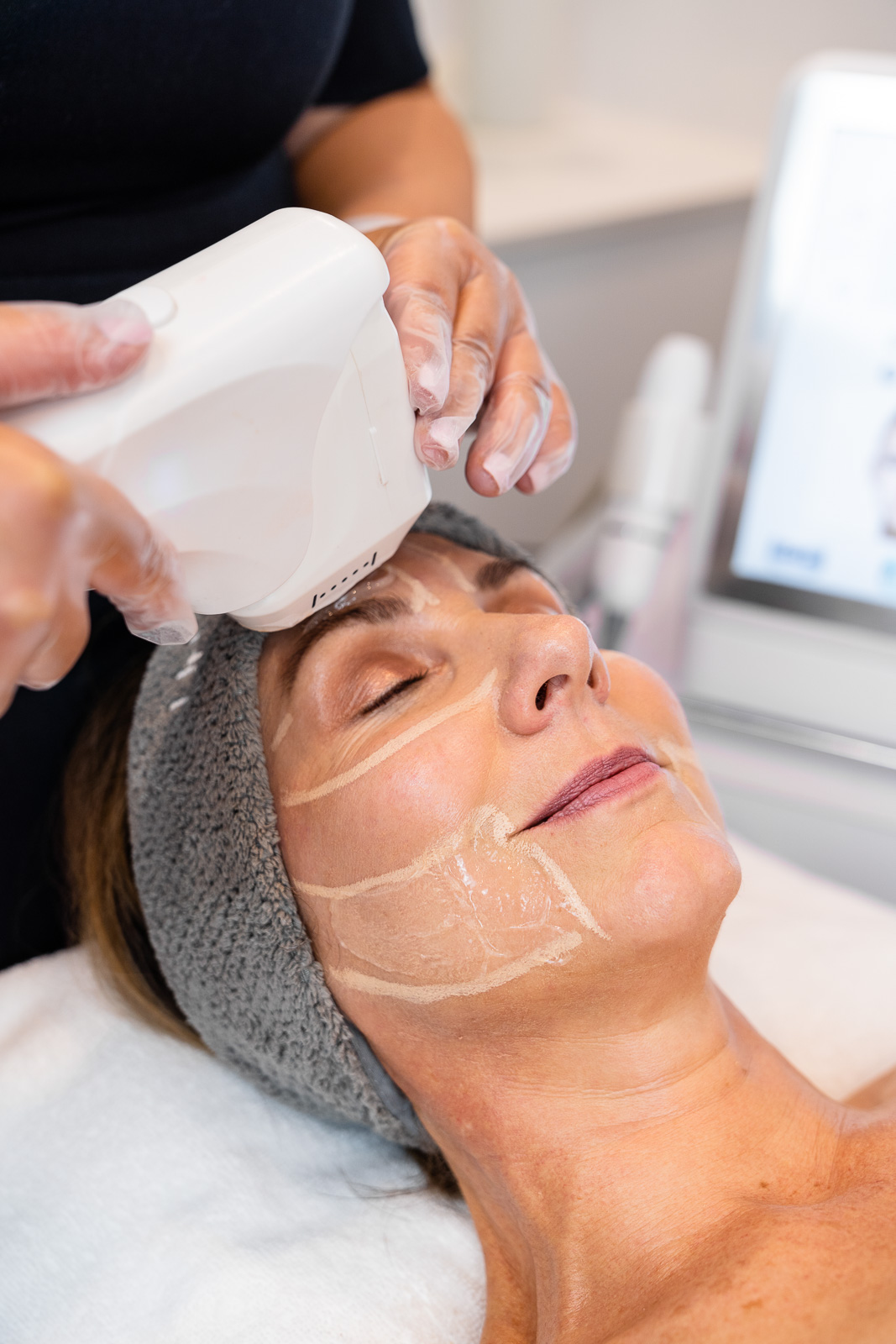
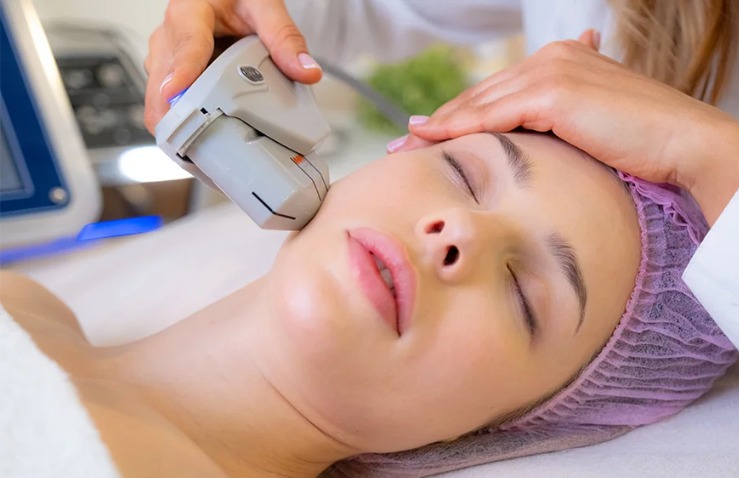
High-Intensity Focused Ultrasound (HIFU) has gained popularity as a non-invasive skin tightening and lifting treatment. But a common question among potential candidates is: Is HIFU treatment safe for all skin types? The answer isn’t straightforward, as several factors, including skin type, tone, and individual skin conditions, play a role in determining suitability. In regions like HIFU Treatment Dubai, where diverse skin types are prevalent due to multicultural demographics, understanding HIFU’s compatibility with different skin tones and textures is crucial. Research and clinical studies have explored HIFU’s effects on various skin types, providing insights into its safety and efficacy.
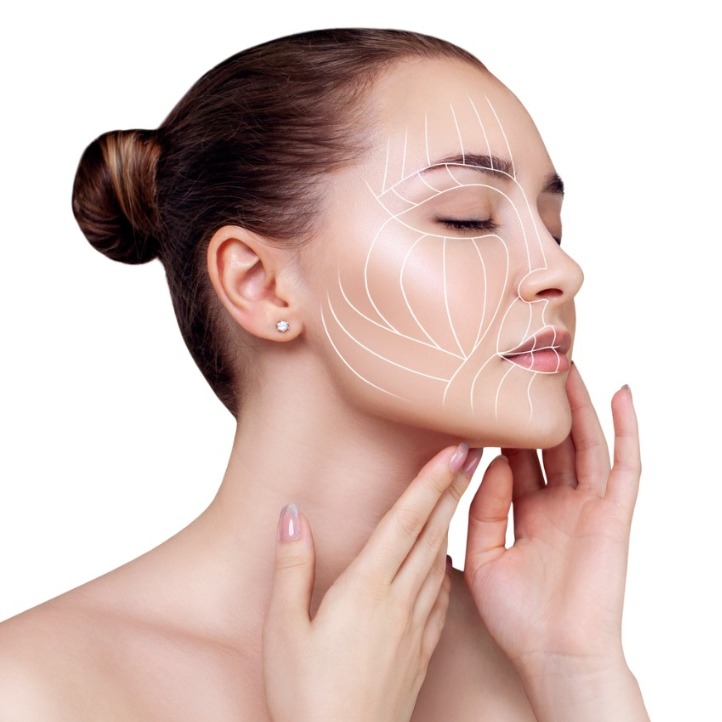
HIFU works by delivering focused ultrasound waves to the deeper layers of the skin—specifically the SMAS (Superficial Musculoaponeurotic System), which is the same layer targeted in surgical facelifts. The energy creates controlled thermal injury, triggering the body’s natural healing response and boosting collagen and elastin production over time.

HIFU and Different Skin Types
Fair-skinned individuals (Fitzpatrick skin types I-III) generally respond well to HIFU. Since their skin has less melanin, there is minimal risk of hyperpigmentation or burns when the treatment is performed correctly. Studies have shown that HIFU is highly effective in tightening loose skin and reducing fine lines in lighter skin tones without adverse effects.
People with medium or olive skin tones (Fitzpatrick IV) can also safely undergo HIFU treatments. However, practitioners must ensure proper energy settings to avoid excessive heat buildup, which could potentially cause temporary redness or swelling. Research indicates that when performed by experienced professionals, HIFU does not increase the risk of post-inflammatory hyperpigmentation in this skin type.
Darker skin tones (Fitzpatrick V-VI) have higher melanin content, making them more susceptible to pigmentation changes with certain energy-based treatments. However, HIFU’s ultrasound-based mechanism bypasses the epidermis, reducing the risk of discoloration. A 2018 study published in the Journal of Clinical and Aesthetic Dermatology found that HIFU was safe and effective for skin tightening in darker skin types, with no reported cases of hyperpigmentation or scarring when performed at appropriate energy levels.
While HIFU is generally safe for most skin types, several factors determine its suitability:
HIFU is most effective on individuals with moderate skin thickness. Those with very thin skin may not see significant lifting effects, while extremely thick skin may require higher energy settings, which should be carefully calibrated to avoid discomfort.
Patients with active acne, severe rosacea, or open wounds should avoid HIFU until their skin has healed. Additionally, those with chronic skin conditions like eczema or psoriasis should consult a dermatologist before treatment.
Younger patients with good skin elasticity typically see better results, as their collagen production is still robust. Older individuals may require multiple sessions for optimal lifting effects.
Multiple studies have validated HIFU’s safety across different skin types:
A 2014 study in Dermatologic Surgery found that HIFU produced significant skin tightening in 93% of patients, with no long-term side effects reported across varying skin tones.
Research from the Aesthetic Surgery Journal (2017) highlighted HIFU’s ability to improve skin laxity in Asian patients (Fitzpatrick III-V), demonstrating its safety for medium to dark skin.
A 2020 clinical trial published in Lasers in Medical Science concluded that HIFU was a low-risk treatment for facial rejuvenation in diverse ethnic groups, with high patient satisfaction rates.
HIFU at Dynamic Clinic In Dubai is a versatile and generally safe treatment for various skin types, from fair to dark complexions. Its ultrasound-based technology minimizes risks associated with pigmentation, making it a preferred choice for non-surgical skin tightening. However, individual factors such as skin thickness, underlying conditions, and practitioner expertise play a crucial role in ensuring safety and effectiveness.
High-Intensity Focused Ultrasound (HIFU) has gained popularity as a non-invasive skin tightening and lifting treatment. But a common question among potential candidates is: Is HIFU treatment safe for all skin types? The answer isn’t straightforward, as several factors, including skin type, tone, and individual skin conditions, play a role in determining suitability. In regions like HIFU Treatment Dubai, where diverse skin types are prevalent due to multicultural demographics, understanding HIFU’s compatibility with different skin tones and textures is crucial. Research and clinical studies have explored HIFU’s effects on various skin types, providing insights into its safety and efficacy.
HIFU works by delivering focused ultrasound waves to the deeper layers of the skin—specifically the SMAS (Superficial Musculoaponeurotic System), which is the same layer targeted in surgical facelifts. The energy creates controlled thermal injury, triggering the body’s natural healing response and boosting collagen and elastin production over time.

HIFU and Different Skin Types
Fair-skinned individuals (Fitzpatrick skin types I-III) generally respond well to HIFU. Since their skin has less melanin, there is minimal risk of hyperpigmentation or burns when the treatment is performed correctly. Studies have shown that HIFU is highly effective in tightening loose skin and reducing fine lines in lighter skin tones without adverse effects.
People with medium or olive skin tones (Fitzpatrick IV) can also safely undergo HIFU treatments. However, practitioners must ensure proper energy settings to avoid excessive heat buildup, which could potentially cause temporary redness or swelling. Research indicates that when performed by experienced professionals, HIFU does not increase the risk of post-inflammatory hyperpigmentation in this skin type.
Darker skin tones (Fitzpatrick V-VI) have higher melanin content, making them more susceptible to pigmentation changes with certain energy-based treatments. However, HIFU’s ultrasound-based mechanism bypasses the epidermis, reducing the risk of discoloration. A 2018 study published in the Journal of Clinical and Aesthetic Dermatology found that HIFU was safe and effective for skin tightening in darker skin types, with no reported cases of hyperpigmentation or scarring when performed at appropriate energy levels.
While HIFU is generally safe for most skin types, several factors determine its suitability:
HIFU is most effective on individuals with moderate skin thickness. Those with very thin skin may not see significant lifting effects, while extremely thick skin may require higher energy settings, which should be carefully calibrated to avoid discomfort.
Patients with active acne, severe rosacea, or open wounds should avoid HIFU until their skin has healed. Additionally, those with chronic skin conditions like eczema or psoriasis should consult a dermatologist before treatment.
Younger patients with good skin elasticity typically see better results, as their collagen production is still robust. Older individuals may require multiple sessions for optimal lifting effects.
Multiple studies have validated HIFU’s safety across different skin types:
A 2014 study in Dermatologic Surgery found that HIFU produced significant skin tightening in 93% of patients, with no long-term side effects reported across varying skin tones.
Research from the Aesthetic Surgery Journal (2017) highlighted HIFU’s ability to improve skin laxity in Asian patients (Fitzpatrick III-V), demonstrating its safety for medium to dark skin.
A 2020 clinical trial published in Lasers in Medical Science concluded that HIFU was a low-risk treatment for facial rejuvenation in diverse ethnic groups, with high patient satisfaction rates.
HIFU at Dynamic Clinic In Dubai is a versatile and generally safe treatment for various skin types, from fair to dark complexions. Its ultrasound-based technology minimizes risks associated with pigmentation, making it a preferred choice for non-surgical skin tightening. However, individual factors such as skin thickness, underlying conditions, and practitioner expertise play a crucial role in ensuring safety and effectiveness.
Are you sure you want to stop following?
Loading…
Congrats! You are now a member!
Start requesting vouchers for promo codes by clicking the Request Deal buttons on products you want.
Sellers of Amazon products are required to sign in at www.amztracker.com
More information about placing your products on this site can be found here.
Are you having problems purchasing a product with the supplied voucher? If so, please contact the seller via the supplied email.
Also, please be patient. Sellers are pretty busy people and it can take awhile to respond to your emails.
After 2 days of receiving a voucher you can report the seller to us (using the same button) if you cannot resolve this issue with the seller.
For more information click here.
We have taken note and will also convey the problems to the seller on your behalf.
Usually the seller will rectify it soon, we suggest now you can remove this request from your dashboard and choose another deal.
If you love this deal most, we suggest you can try to request this deal after 2 days.
This will mark the product as purchased. The voucher will be permanently removed from your dashboard shortly after. Are you sure?
You are essentially competing with a whole lot of other buyers when requesting to purchase a product. The seller only has a limited amount of vouchers to give out too.
Select All Groups
✕
Adult Products
Arts, Crafts & Sewing
Automotive & Industrial
Beauty & Grooming
Cell Phones & Accessories
Electronics & Office
Health & Household
Home & Garden
Jewelry
Kitchen & Dining
Men's Clothing & Shoes
Pet Supplies
Sports & Outdoors
Toys, Kids & Baby
Watches
Women's Clothing & Shoes
Other
Adult Products
©Copyright 2026 Vipon All Right Reserved · Privacy Policy · Terms of Service · Do Not Sell My Personal Information
Certain content in this page comes from Amazon. The content is provided as is, and is subject
to change or removal at
any time. Amazon and the Amazon logo are trademarks of Amazon.com,
Inc. or its affiliates.
Comments