Amazon Coupons
Vipon > V Show > Himalayan Edible Salt: Nature’s Purest Mineral Gift Share great deals & products and save together.

Himalayan Edible Salt: Nature’s Purest Mineral Gift

2025-07-16 03:44:11
Report


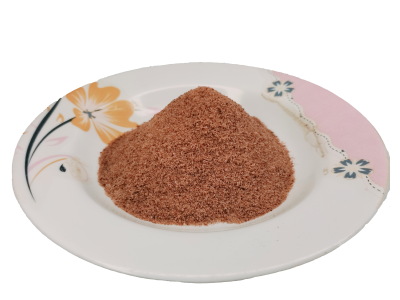
Himalayan edible salt, often referred to as pink salt, is a natural mineral salt harvested from the ancient salt mines located at the foothills of the Himalayan Mountains, primarily in Punjab, Pakistan. Unlike the typical white table salt, Himalayan salt is prized for its distinct pink color, rich mineral content, and unrefined purity.

With a history dating back millions of years, this salt is considered one of the purest forms of salt available on Earth. It has gained global popularity for both culinary and health purposes, making it a staple in kitchens and wellness circles worldwide.

Origin and Mining

The Himalayan salt is mined from the Punjab Salt Mine, the second-largest salt mine in the world, located in the Punjab region of Pakistan. This mine is believed to be over 800 million years old, formed from the evaporation of ancient sea beds.

The salt is extracted manually or with minimal machinery to maintain its natural structure and mineral composition. It undergoes no chemical processing, preserving its raw and organic nature.

Composition and Color

Himalayan salt contains up to 84 trace minerals, including:

  • Calcium

  • Magnesium

  • Potassium

  • Iron

  • Zinc

The pink to reddish hue of the salt comes from its iron oxide (rust) content. The color may range from light pink to dark red depending on the mineral concentration and extraction area.

Health Benefits of Himalayan Salt

While Himalayan salt and regular salt are both primarily composed of sodium chloride, Himalayan salt is often considered a healthier alternative due to its additional minerals. Some claimed benefits include:

1. Rich in Trace Minerals

Himalayan salt provides essential minerals that help regulate bodily functions, including nerve transmission, fluid balance, and muscle contraction.

2. Supports Hydration

Because it contains electrolytes, adding a pinch to water can support hydration, especially after physical exertion or in hot climates.

3. Balances pH Levels

Some users believe that Himalayan salt helps balance the body’s pH by reducing acidity, thus promoting better energy levels and immunity.

4. Aids Digestion

Used in traditional remedies, a saltwater solution made with pink salt is thought to stimulate digestion and support gut health.

5. Improves Respiratory Health

Inhaling Himalayan salt vapor, a practice known as halotherapy, is said to alleviate respiratory issues like asthma, allergies, and bronchitis.

Culinary Uses

Himalayan edible salt is versatile in the kitchen. It is used as:

  • Table salt substitute

  • Finishing salt for meat, seafood, and vegetables

  • Salt slabs/blocks for grilling and serving (adds flavor and presentation)

  • Salt brines for preserving or marinating foods

Its subtle flavor makes it ideal for those seeking a milder taste than traditional processed salt.

Comparison: Himalayan Salt vs. Table Salt

Feature

Himalayan Salt

Table Salt

Processing

Unrefined, natural

Heavily processed

Additives

None

Often includes anti-caking agents, iodine

Mineral Content

80+ trace minerals

Mostly sodium chloride

Color

Pink or reddish

White

Taste

Milder, earthy flavor

Sharper, salty taste


Other Uses Beyond the Kitchen

Himalayan salt is also popular in:

  • Bath salts for skin relaxation and detoxification

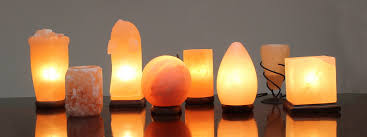
  • Salt lamps that claim to purify air and reduce stress

  • Spa treatments and scrubs

  • Salt therapy rooms in wellness centers

Is Himalayan Salt Really Better?

While Himalayan salt is celebrated for its mineral richness, the actual amount of minerals consumed from a typical serving is relatively small. However, its lack of processing and absence of additives makes it a preferred choice for those avoiding chemicals and preservatives.

Also, it’s important to note that moderation is key. Excessive salt intake, even of the natural variety, can lead to health issues such as high blood pressure and water retention.

Himalayan edible salt is more than just a seasoning—it's a symbol of natural purity, tradition, and wellness. Whether you're enhancing a dish or enjoying a relaxing bath soak, this mineral-rich salt brings both flavor and health benefits straight from the heart of the Himalayas.

By incorporating Himalayan pink salt into your diet and lifestyle, you’re choosing a product with a rich history, unique composition, and an enduring reputation for purity and wellness.


Himalayan Edible Salt: Nature’s Purest Mineral Gift

157
2025-07-16 03:44:11


Himalayan edible salt, often referred to as pink salt, is a natural mineral salt harvested from the ancient salt mines located at the foothills of the Himalayan Mountains, primarily in Punjab, Pakistan. Unlike the typical white table salt, Himalayan salt is prized for its distinct pink color, rich mineral content, and unrefined purity.

With a history dating back millions of years, this salt is considered one of the purest forms of salt available on Earth. It has gained global popularity for both culinary and health purposes, making it a staple in kitchens and wellness circles worldwide.

Origin and Mining

The Himalayan salt is mined from the Punjab Salt Mine, the second-largest salt mine in the world, located in the Punjab region of Pakistan. This mine is believed to be over 800 million years old, formed from the evaporation of ancient sea beds.

The salt is extracted manually or with minimal machinery to maintain its natural structure and mineral composition. It undergoes no chemical processing, preserving its raw and organic nature.

Composition and Color

Himalayan salt contains up to 84 trace minerals, including:

  • Calcium

  • Magnesium

  • Potassium

  • Iron

  • Zinc

The pink to reddish hue of the salt comes from its iron oxide (rust) content. The color may range from light pink to dark red depending on the mineral concentration and extraction area.

Health Benefits of Himalayan Salt

While Himalayan salt and regular salt are both primarily composed of sodium chloride, Himalayan salt is often considered a healthier alternative due to its additional minerals. Some claimed benefits include:

1. Rich in Trace Minerals

Himalayan salt provides essential minerals that help regulate bodily functions, including nerve transmission, fluid balance, and muscle contraction.

2. Supports Hydration

Because it contains electrolytes, adding a pinch to water can support hydration, especially after physical exertion or in hot climates.

3. Balances pH Levels

Some users believe that Himalayan salt helps balance the body’s pH by reducing acidity, thus promoting better energy levels and immunity.

4. Aids Digestion

Used in traditional remedies, a saltwater solution made with pink salt is thought to stimulate digestion and support gut health.

5. Improves Respiratory Health

Inhaling Himalayan salt vapor, a practice known as halotherapy, is said to alleviate respiratory issues like asthma, allergies, and bronchitis.

Culinary Uses

Himalayan edible salt is versatile in the kitchen. It is used as:

  • Table salt substitute

  • Finishing salt for meat, seafood, and vegetables

  • Salt slabs/blocks for grilling and serving (adds flavor and presentation)

  • Salt brines for preserving or marinating foods

Its subtle flavor makes it ideal for those seeking a milder taste than traditional processed salt.

Comparison: Himalayan Salt vs. Table Salt

Feature

Himalayan Salt

Table Salt

Processing

Unrefined, natural

Heavily processed

Additives

None

Often includes anti-caking agents, iodine

Mineral Content

80+ trace minerals

Mostly sodium chloride

Color

Pink or reddish

White

Taste

Milder, earthy flavor

Sharper, salty taste


Other Uses Beyond the Kitchen

Himalayan salt is also popular in:

  • Bath salts for skin relaxation and detoxification

  • Salt lamps that claim to purify air and reduce stress

  • Spa treatments and scrubs

  • Salt therapy rooms in wellness centers

Is Himalayan Salt Really Better?

While Himalayan salt is celebrated for its mineral richness, the actual amount of minerals consumed from a typical serving is relatively small. However, its lack of processing and absence of additives makes it a preferred choice for those avoiding chemicals and preservatives.

Also, it’s important to note that moderation is key. Excessive salt intake, even of the natural variety, can lead to health issues such as high blood pressure and water retention.

Himalayan edible salt is more than just a seasoning—it's a symbol of natural purity, tradition, and wellness. Whether you're enhancing a dish or enjoying a relaxing bath soak, this mineral-rich salt brings both flavor and health benefits straight from the heart of the Himalayas.

By incorporating Himalayan pink salt into your diet and lifestyle, you’re choosing a product with a rich history, unique composition, and an enduring reputation for purity and wellness.


Comments

Recommended

Himalayan Salt Minerals: Nature’s Ancient Treasure
VIPON_541732459627
164
Exporting Natural Salt Lamps from Pakistan to the World
VIPON_541732459627
84
The Pure Essence of Nature: Himalayan Salt
VIPON_541732459627
133
Download Vipon App to get great deals now!
...
Amazon Coupons Loading…