Exclusive
To get our best deals and discounts Subscribe Below!
Continue As A Guest
Continue As A Guest
Updata
Hey! Thank you so much for your support and quality posts for V Show!
And congratulations on becoming our Vipon Associated Editor.
From now on, in addition to getting 10 points for each post (up to 30 points daily), we will regularly review each of your articles, and each approved article (tagged with Featured label) will be paid an additional $50.
Note: Not all articles you posted will get $50, only those that meet our requirements will be paid, and articles or contents that do not meet the requirements will be removed.
Please continue to produce high quality content for organic likes. Our shoppers love seeing your stories & posts!
Congratulations! Your V SHOW post Planting Tips has become our Featured content, we will pay $50 for this post. Please check on your balance. Please continue to produce high quality original content!
Fire safety has always been a critical concern in modern society, from protecting homes and workplaces to ensuring the safety of electronic devices, vehicles, and textiles. Traditionally, flame retardants have played a vital role in minimizing the risk of fire by delaying ignition or slowing down the spread of flames. However, growing awareness of environmental and health issues has led to a shift in the materials used for fire protection. Among the most significant advancements in this field are Halogen Free Flame Retardant — a cleaner, safer, and more sustainable alternative to traditional halogenated compounds.
This article explores what Halogen Free Flame Retardants are, how they work, their advantages over conventional flame retardants, and why they are shaping the future of global fire safety standards.
Understanding Flame Retardants
Before diving into the halogen-free revolution, it’s important to understand what flame retardants are. Flame retardants are chemical substances added to materials such as plastics, textiles, rubbers, and coatings to prevent or slow the spread of fire. They work by interfering with the combustion process, either by forming a protective layer that isolates the material from heat and oxygen or by releasing gases that inhibit the chemical reactions involved in burning.
For decades, the most common flame retardants contained halogens — primarily bromine and chlorine — because they were highly effective at suppressing flames even at low concentrations. However, as technology evolved and research on environmental health expanded, concerns about halogen-based retardants began to rise.
Halogenated flame retardants (HFRs) have been widely used in electronics, construction materials, and consumer goods. While they do an excellent job in preventing fire, they come with significant environmental and health drawbacks:
Toxicity and Bioaccumulation
When exposed to high temperatures, halogen-based compounds can release toxic gases such as hydrogen bromide and hydrogen chloride. These gases not only endanger human health but also produce dense smoke that reduces visibility during evacuation. Additionally, halogenated compounds tend to persist in the environment and accumulate in living organisms, leading to long-term ecological damage.
Regulatory Pressure
Governments and regulatory bodies across the world — including the European Union, the United States, and Japan — have introduced restrictions and bans on certain halogenated flame retardants such as PBDEs (polybrominated diphenyl ethers) and HBCD (hexabromocyclododecane). These regulations have accelerated the demand for safer alternatives.
Environmental Concerns
During disposal or recycling, halogenated materials can produce harmful dioxins and furans when incinerated. These compounds are known to be highly toxic, contributing to air and soil pollution.
Given these challenges, industries began searching for a new generation of flame retardants that offer fire protection without compromising safety or sustainability. That’s where Halogen Free Flame Retardants come in.
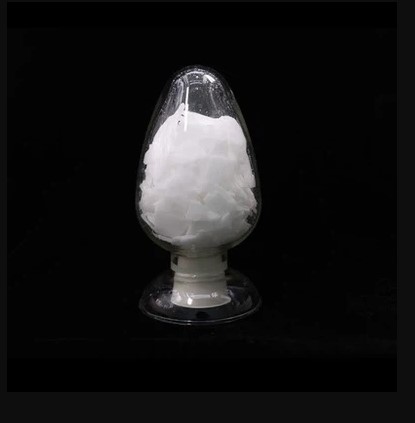
Halogen Free Flame Retardants (HFFRs) are chemical additives designed to reduce flammability without using chlorine or bromine. Instead, they rely on other elements and compounds — such as phosphorus, nitrogen, inorganic minerals, and metal hydroxides — to inhibit combustion and limit fire spread.
The absence of halogens means these flame retardants do not release toxic or corrosive gases when exposed to fire. As a result, they provide safer working conditions, cleaner combustion, and a lower environmental footprint.
The mechanism of Halogen Free Flame Retardants depends on their chemical composition, but generally, they work through one or more of the following processes:
Endothermic Reaction (Heat Absorption)
Metal hydroxide-based retardants such as aluminum hydroxide (ATH) or magnesium hydroxide (MDH) absorb heat as they decompose, releasing water vapor and reducing the temperature of the material. This reaction cools the surface and dilutes flammable gases.
Char Formation
Phosphorus-based flame retardants promote the formation of a protective carbonaceous char layer on the material’s surface. This layer acts as a barrier, blocking oxygen and heat transfer to the underlying material.
Gas-Phase Action
Some nitrogen-based compounds release inert gases like nitrogen or ammonia when heated. These gases dilute the concentration of oxygen and combustible gases in the flame zone, reducing the likelihood of sustained combustion.
By combining these mechanisms, Halogen Free Flame Retardants achieve effective fire resistance without the drawbacks of halogenated chemicals.
Phosphorus-Based Flame Retardants
Widely used in plastics, coatings, and textiles, these compounds can act in both the condensed and gas phases. Examples include red phosphorus, ammonium polyphosphate (APP), and organophosphorus compounds.
Nitrogen-Based Flame Retardants
Common in polymers and foams, nitrogen-based retardants work synergistically with phosphorus to enhance char formation and reduce flammable gases.
Inorganic Flame Retardants
Compounds like aluminum trihydrate (ATH) and magnesium hydroxide (MDH) release water vapor upon decomposition, lowering combustion temperatures and acting as smoke suppressants.
Mineral-Based Systems
These include compounds such as zinc borate and molybdenum compounds, which can improve smoke suppression and enhance the overall flame-retardant effect.
The rise in popularity of Halogen Free Flame Retardants can be attributed to several clear benefits:
Because they do not emit toxic halogen gases, HFFRs significantly reduce the risk of smoke inhalation and corrosive gas exposure during fires. This improves overall safety for building occupants, firefighters, and end-users.
HFFRs are more eco-friendly, as they decompose into harmless substances and do not persist in the environment. They are compatible with green manufacturing initiatives and help companies meet environmental compliance standards.
With stricter fire safety and chemical regulations (like RoHS, REACH, and WEEE) worldwide, halogen-free materials ensure easier compliance and a smoother path to product certification.
In electronics, Halogen Free Flame Retardants can enhance insulation performance and reduce corrosion on metal components, resulting in longer device lifespans and more reliable performance.
Halogen-free materials are easier to recycle since they do not release hazardous substances during thermal processing, supporting circular economy principles.
The versatility of HFFRs has led to their adoption across multiple industries, including:
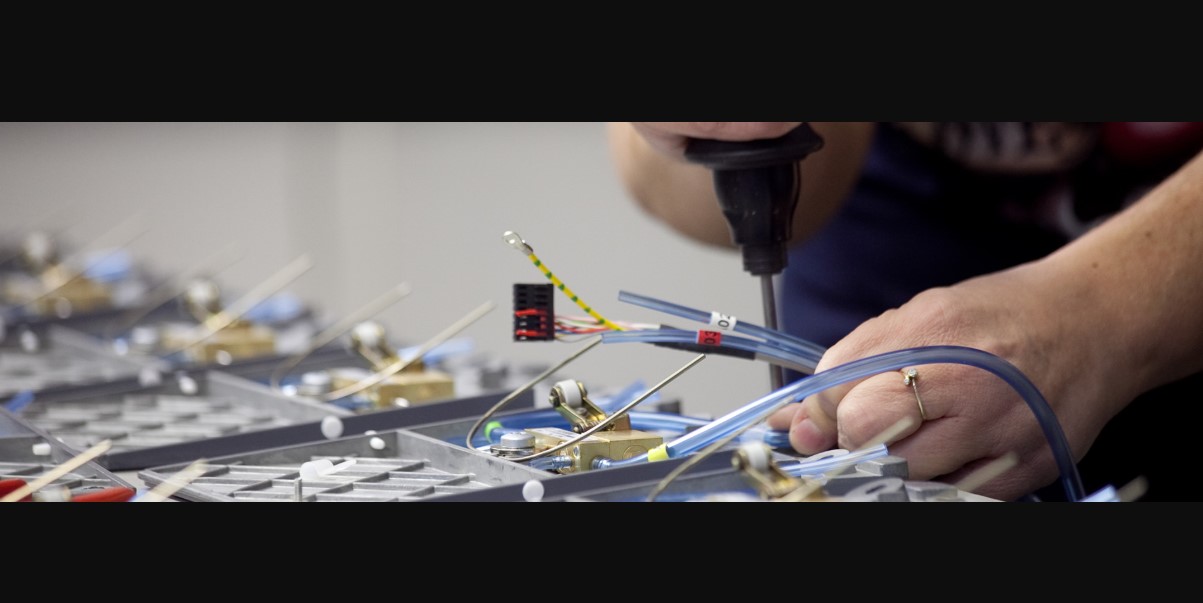
From circuit boards to cables, halogen-free flame retardants are now the preferred choice for manufacturers aiming to produce low-toxicity, eco-friendly components. Many modern smartphones, laptops, and household appliances use halogen-free materials.
HFFRs are used in insulation foams, paints, sealants, and coatings to meet stringent fire safety standards in residential and commercial buildings.
Vehicle interiors, wiring, and composite materials increasingly rely on halogen-free formulations to meet fire performance and environmental standards.
Fabrics treated with halogen-free retardants offer fire resistance without compromising comfort, color, or breathability — essential for furniture, clothing, and public transport seating.
Manufacturers are turning to halogen-free solutions for packaging materials to ensure both product safety and environmental responsibility.
While Halogen Free Flame Retardants offer numerous advantages, the transition from halogenated systems has not been without challenges. Some of the key issues include:
Higher Material Loading:
HFFRs sometimes require higher concentrations to achieve the same flame retardancy, which can affect mechanical strength or flexibility.
Cost Considerations:
Certain halogen-free compounds can be more expensive, though economies of scale are reducing this gap as demand grows.
Compatibility with Polymers:
Integrating HFFRs into specific polymers without compromising performance requires advanced formulation and processing expertise.
Despite these challenges, continuous innovation and research are improving the performance and cost-effectiveness of halogen-free technologies.
The global push toward sustainability, human safety, and regulatory compliance is making Halogen Free Flame Retardants the cornerstone of the next generation of fire-safe materials. With ongoing advances in material science and eco-design, these flame retardants are becoming more efficient, affordable, and adaptable.
Future trends include:
Bio-based Halogen Free Flame Retardants derived from renewable resources.
Smart flame retardant systems that activate only under certain conditions.
Nanotechnology integration to enhance performance with minimal material usage.
As industries continue to prioritize environmental responsibility and safety, halogen-free solutions will dominate the flame-retardant market — ensuring that fire protection no longer comes at the cost of human health or environmental well-being.
Halogen Free Flame Retardants represent a major step forward in the evolution of fire safety materials. By eliminating toxic halogens and embracing environmentally responsible chemistry, these compounds deliver powerful flame resistance while supporting a cleaner and safer world. From electronics to construction, transportation to textiles, halogen-free solutions are redefining industry standards and setting the stage for a sustainable, fire-safe future.

Fire safety has always been a critical concern in modern society, from protecting homes and workplaces to ensuring the safety of electronic devices, vehicles, and textiles. Traditionally, flame retardants have played a vital role in minimizing the risk of fire by delaying ignition or slowing down the spread of flames. However, growing awareness of environmental and health issues has led to a shift in the materials used for fire protection. Among the most significant advancements in this field are Halogen Free Flame Retardant — a cleaner, safer, and more sustainable alternative to traditional halogenated compounds.
This article explores what Halogen Free Flame Retardants are, how they work, their advantages over conventional flame retardants, and why they are shaping the future of global fire safety standards.
Understanding Flame Retardants
Before diving into the halogen-free revolution, it’s important to understand what flame retardants are. Flame retardants are chemical substances added to materials such as plastics, textiles, rubbers, and coatings to prevent or slow the spread of fire. They work by interfering with the combustion process, either by forming a protective layer that isolates the material from heat and oxygen or by releasing gases that inhibit the chemical reactions involved in burning.
For decades, the most common flame retardants contained halogens — primarily bromine and chlorine — because they were highly effective at suppressing flames even at low concentrations. However, as technology evolved and research on environmental health expanded, concerns about halogen-based retardants began to rise.
Halogenated flame retardants (HFRs) have been widely used in electronics, construction materials, and consumer goods. While they do an excellent job in preventing fire, they come with significant environmental and health drawbacks:
Toxicity and Bioaccumulation
When exposed to high temperatures, halogen-based compounds can release toxic gases such as hydrogen bromide and hydrogen chloride. These gases not only endanger human health but also produce dense smoke that reduces visibility during evacuation. Additionally, halogenated compounds tend to persist in the environment and accumulate in living organisms, leading to long-term ecological damage.
Regulatory Pressure
Governments and regulatory bodies across the world — including the European Union, the United States, and Japan — have introduced restrictions and bans on certain halogenated flame retardants such as PBDEs (polybrominated diphenyl ethers) and HBCD (hexabromocyclododecane). These regulations have accelerated the demand for safer alternatives.
Environmental Concerns
During disposal or recycling, halogenated materials can produce harmful dioxins and furans when incinerated. These compounds are known to be highly toxic, contributing to air and soil pollution.
Given these challenges, industries began searching for a new generation of flame retardants that offer fire protection without compromising safety or sustainability. That’s where Halogen Free Flame Retardants come in.
Halogen Free Flame Retardants (HFFRs) are chemical additives designed to reduce flammability without using chlorine or bromine. Instead, they rely on other elements and compounds — such as phosphorus, nitrogen, inorganic minerals, and metal hydroxides — to inhibit combustion and limit fire spread.
The absence of halogens means these flame retardants do not release toxic or corrosive gases when exposed to fire. As a result, they provide safer working conditions, cleaner combustion, and a lower environmental footprint.
The mechanism of Halogen Free Flame Retardants depends on their chemical composition, but generally, they work through one or more of the following processes:
Endothermic Reaction (Heat Absorption)
Metal hydroxide-based retardants such as aluminum hydroxide (ATH) or magnesium hydroxide (MDH) absorb heat as they decompose, releasing water vapor and reducing the temperature of the material. This reaction cools the surface and dilutes flammable gases.
Char Formation
Phosphorus-based flame retardants promote the formation of a protective carbonaceous char layer on the material’s surface. This layer acts as a barrier, blocking oxygen and heat transfer to the underlying material.
Gas-Phase Action
Some nitrogen-based compounds release inert gases like nitrogen or ammonia when heated. These gases dilute the concentration of oxygen and combustible gases in the flame zone, reducing the likelihood of sustained combustion.
By combining these mechanisms, Halogen Free Flame Retardants achieve effective fire resistance without the drawbacks of halogenated chemicals.
Phosphorus-Based Flame Retardants
Widely used in plastics, coatings, and textiles, these compounds can act in both the condensed and gas phases. Examples include red phosphorus, ammonium polyphosphate (APP), and organophosphorus compounds.
Nitrogen-Based Flame Retardants
Common in polymers and foams, nitrogen-based retardants work synergistically with phosphorus to enhance char formation and reduce flammable gases.
Inorganic Flame Retardants
Compounds like aluminum trihydrate (ATH) and magnesium hydroxide (MDH) release water vapor upon decomposition, lowering combustion temperatures and acting as smoke suppressants.
Mineral-Based Systems
These include compounds such as zinc borate and molybdenum compounds, which can improve smoke suppression and enhance the overall flame-retardant effect.
The rise in popularity of Halogen Free Flame Retardants can be attributed to several clear benefits:
Because they do not emit toxic halogen gases, HFFRs significantly reduce the risk of smoke inhalation and corrosive gas exposure during fires. This improves overall safety for building occupants, firefighters, and end-users.
HFFRs are more eco-friendly, as they decompose into harmless substances and do not persist in the environment. They are compatible with green manufacturing initiatives and help companies meet environmental compliance standards.
With stricter fire safety and chemical regulations (like RoHS, REACH, and WEEE) worldwide, halogen-free materials ensure easier compliance and a smoother path to product certification.
In electronics, Halogen Free Flame Retardants can enhance insulation performance and reduce corrosion on metal components, resulting in longer device lifespans and more reliable performance.
Halogen-free materials are easier to recycle since they do not release hazardous substances during thermal processing, supporting circular economy principles.
The versatility of HFFRs has led to their adoption across multiple industries, including:
From circuit boards to cables, halogen-free flame retardants are now the preferred choice for manufacturers aiming to produce low-toxicity, eco-friendly components. Many modern smartphones, laptops, and household appliances use halogen-free materials.
HFFRs are used in insulation foams, paints, sealants, and coatings to meet stringent fire safety standards in residential and commercial buildings.
Vehicle interiors, wiring, and composite materials increasingly rely on halogen-free formulations to meet fire performance and environmental standards.
Fabrics treated with halogen-free retardants offer fire resistance without compromising comfort, color, or breathability — essential for furniture, clothing, and public transport seating.
Manufacturers are turning to halogen-free solutions for packaging materials to ensure both product safety and environmental responsibility.
While Halogen Free Flame Retardants offer numerous advantages, the transition from halogenated systems has not been without challenges. Some of the key issues include:
Higher Material Loading:
HFFRs sometimes require higher concentrations to achieve the same flame retardancy, which can affect mechanical strength or flexibility.
Cost Considerations:
Certain halogen-free compounds can be more expensive, though economies of scale are reducing this gap as demand grows.
Compatibility with Polymers:
Integrating HFFRs into specific polymers without compromising performance requires advanced formulation and processing expertise.
Despite these challenges, continuous innovation and research are improving the performance and cost-effectiveness of halogen-free technologies.
The global push toward sustainability, human safety, and regulatory compliance is making Halogen Free Flame Retardants the cornerstone of the next generation of fire-safe materials. With ongoing advances in material science and eco-design, these flame retardants are becoming more efficient, affordable, and adaptable.
Future trends include:
Bio-based Halogen Free Flame Retardants derived from renewable resources.
Smart flame retardant systems that activate only under certain conditions.
Nanotechnology integration to enhance performance with minimal material usage.
As industries continue to prioritize environmental responsibility and safety, halogen-free solutions will dominate the flame-retardant market — ensuring that fire protection no longer comes at the cost of human health or environmental well-being.
Halogen Free Flame Retardants represent a major step forward in the evolution of fire safety materials. By eliminating toxic halogens and embracing environmentally responsible chemistry, these compounds deliver powerful flame resistance while supporting a cleaner and safer world. From electronics to construction, transportation to textiles, halogen-free solutions are redefining industry standards and setting the stage for a sustainable, fire-safe future.

Are you sure you want to stop following?
Loading…
Congrats! You are now a member!
Start requesting vouchers for promo codes by clicking the Request Deal buttons on products you want.
Sellers of Amazon products are required to sign in at www.amztracker.com
More information about placing your products on this site can be found here.
Are you having problems purchasing a product with the supplied voucher? If so, please contact the seller via the supplied email.
Also, please be patient. Sellers are pretty busy people and it can take awhile to respond to your emails.
After 2 days of receiving a voucher you can report the seller to us (using the same button) if you cannot resolve this issue with the seller.
For more information click here.
We have taken note and will also convey the problems to the seller on your behalf.
Usually the seller will rectify it soon, we suggest now you can remove this request from your dashboard and choose another deal.
If you love this deal most, we suggest you can try to request this deal after 2 days.
This will mark the product as purchased. The voucher will be permanently removed from your dashboard shortly after. Are you sure?
You are essentially competing with a whole lot of other buyers when requesting to purchase a product. The seller only has a limited amount of vouchers to give out too.
Select All Groups
✕
Adult Products
Arts, Crafts & Sewing
Automotive & Industrial
Beauty & Grooming
Cell Phones & Accessories
Electronics & Office
Health & Household
Home & Garden
Jewelry
Kitchen & Dining
Men's Clothing & Shoes
Pet Supplies
Sports & Outdoors
Toys, Kids & Baby
Watches
Women's Clothing & Shoes
Other
Adult Products
©Copyright 2026 Vipon All Right Reserved · Privacy Policy · Terms of Service · Do Not Sell My Personal Information
Certain content in this page comes from Amazon. The content is provided as is, and is subject
to change or removal at
any time. Amazon and the Amazon logo are trademarks of Amazon.com,
Inc. or its affiliates.
Comments