Exclusive
To get our best deals and discounts Subscribe Below!
Continue As A Guest
Continue As A Guest
Updata
Hey! Thank you so much for your support and quality posts for V Show!
And congratulations on becoming our Vipon Associated Editor.
From now on, in addition to getting 10 points for each post (up to 30 points daily), we will regularly review each of your articles, and each approved article (tagged with Featured label) will be paid an additional $50.
Note: Not all articles you posted will get $50, only those that meet our requirements will be paid, and articles or contents that do not meet the requirements will be removed.
Please continue to produce high quality content for organic likes. Our shoppers love seeing your stories & posts!
Congratulations! Your V SHOW post Planting Tips has become our Featured content, we will pay $50 for this post. Please check on your balance. Please continue to produce high quality original content!
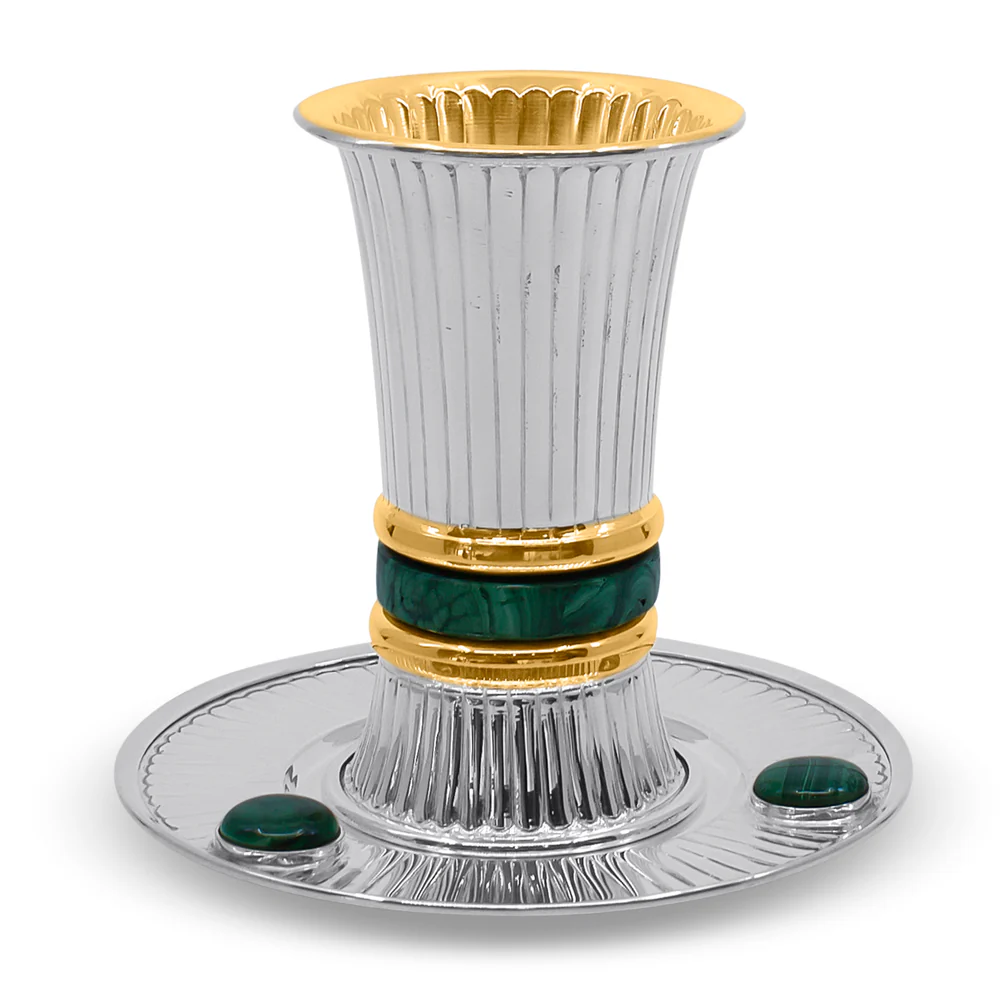
In Jewish life, everyday objects often carry deep meaning. A sterling silver kiddush cup is one such object. It is used weekly, sometimes daily, yet it represents far more than a functional vessel. It reflects reverence for tradition, respect for ritual, and an appreciation for craftsmanship that connects generations. Understanding why this cup matters helps families choose one with intention rather than simply appearance.
This article offers an educational look at the religious purpose, cultural symbolism, and material significance behind choosing a sterling silver kiddush cup, without assuming religious authority. It is written to inform families, collectors, and anyone interested in Jewish ceremonial tradition.
Kiddush is the blessing recited over wine to sanctify sacred time. The practice centers on acknowledging holiness in moments set apart from ordinary life.
The ritual of Kiddush marks the beginning of sacred occasions, most notably Shabbat and major Jewish festivals. Wine is used because it symbolizes joy, abundance, and celebration. The cup itself becomes the physical vessel that holds both the wine and the meaning of the moment.
Over time, Jewish communities developed the custom of designating a special cup exclusively for Kiddush. This distinction emphasizes that sacred acts deserve dedicated objects, not items used casually in daily life.
Material choice in Jewish ritual objects is not arbitrary. Precious materials are traditionally used to honor sacred acts and elevate the experience of observance.
Sterling silver became widely preferred for kiddush cups because it balances beauty, durability, and symbolism. Unlike plated metals, sterling silver maintains its integrity over time. Its lasting quality reflects the enduring nature of tradition itself.
Within the broader world of Judaica, silver has long been associated with purity and refinement. Historical Jewish texts and cultural practices often emphasize enhancing commandments by using beautiful objects, a concept known as hiddur mitzvah. Choosing sterling silver aligns with this value by transforming a practical ritual item into something meaningful and lasting.
A sterling silver kiddush cup is as much a work of craft as it is a ritual object. The level of detail and artistry varies, but craftsmanship plays a significant role in both function and meaning.
Handcrafted cups often feature subtle variations that reflect the skill of the silversmith. Machine-made cups, while more uniform, can still maintain high standards of quality and precision. Common design elements include engraved Hebrew blessings, floral motifs, geometric patterns, or imagery inspired by nature and scripture.
Regional Jewish history has also influenced design. European kiddush cups often reflect classical metalworking styles, while Middle Eastern designs may emphasize filigree and intricate surface detail. These stylistic differences highlight how Jewish tradition adapts while remaining rooted in shared values.
Beyond appearance, the kiddush cup carries layers of symbolism that deepen its role in Jewish life.
Wine represents joy, continuity, and blessing. The cup that holds it becomes a symbol of stability and sanctity. When families use the same kiddush cup week after week, it becomes woven into memory and routine.
In many households, a kiddush cup is passed down across generations. This practice transforms the object into a family heirloom, carrying stories, milestones, and emotional significance. It may be present at Shabbat dinners, weddings, holidays, and moments of reflection, reinforcing its place in both religious and cultural identity.
Choosing a kiddush cup involves more than selecting a visually appealing piece. Practical considerations help ensure that the cup suits both ritual use and long-term ownership.
Size and weight matter. A cup should comfortably hold the required amount of wine while remaining easy to lift and hold during the blessing. Some prefer a heavier cup that feels substantial, while others value lighter designs for ease of use.
Authenticity is also important. Genuine sterling silver is typically marked with a hallmark indicating purity, most commonly 925. This marking assures that the cup meets recognized silver standards.
Design preference often reflects personal or family tradition. Some households favor simple, unadorned designs, while others prefer ornate engraving. There is no single correct choice, only what aligns with the values and aesthetics of the home.
For those exploring curated collections, reviewing options like a sterling silver kiddush cup from established Judaica specialists can provide helpful context for craftsmanship, materials, and design consistency.
Proper care preserves both the beauty and integrity of a sterling silver kiddush cup. Silver naturally tarnishes over time, especially when exposed to air and moisture, but this process does not indicate damage.
Gentle cleaning with a soft cloth after use helps prevent buildup. Occasional polishing restores shine without harming the surface when done correctly. Harsh chemicals should be avoided, as they can damage engraved details.
Storage also matters. Keeping the cup in a cloth pouch or lined box reduces exposure to air and slows tarnishing. With thoughtful care, a sterling silver kiddush cup can remain beautiful and functional for generations.
Because of its symbolism and durability, a sterling silver kiddush cup is a meaningful gift for significant life events. It is commonly given for weddings, bar or bat mitzvahs, housewarmings, and religious holidays.
Unlike decorative gifts, a kiddush cup serves an ongoing purpose. Each use reinforces the connection between the giver, the recipient, and shared tradition. Choosing a timeless design often ensures that the cup remains relevant across changing tastes and styles.
This lasting relevance is what makes ritual silver particularly valued within Jewish families. It becomes part of lived experience rather than a display object.

A sterling silver kiddush cup stands at the intersection of faith, craftsmanship, and continuity. Its role extends beyond ritual compliance into the realm of memory, identity, and respect for tradition.
In modern Jewish homes, these cups remain relevant not because of obligation, but because of meaning. They represent a conscious choice to honor sacred moments with care and beauty.
By understanding the tradition behind Kiddush, the reasons for choosing sterling silver, and the craftsmanship involved, families can select a kiddush cup that feels both personal and enduring. In doing so, they participate in a tradition that values intention, quality, and connection across generations.
In Jewish life, everyday objects often carry deep meaning. A sterling silver kiddush cup is one such object. It is used weekly, sometimes daily, yet it represents far more than a functional vessel. It reflects reverence for tradition, respect for ritual, and an appreciation for craftsmanship that connects generations. Understanding why this cup matters helps families choose one with intention rather than simply appearance.
This article offers an educational look at the religious purpose, cultural symbolism, and material significance behind choosing a sterling silver kiddush cup, without assuming religious authority. It is written to inform families, collectors, and anyone interested in Jewish ceremonial tradition.
Kiddush is the blessing recited over wine to sanctify sacred time. The practice centers on acknowledging holiness in moments set apart from ordinary life.
The ritual of Kiddush marks the beginning of sacred occasions, most notably Shabbat and major Jewish festivals. Wine is used because it symbolizes joy, abundance, and celebration. The cup itself becomes the physical vessel that holds both the wine and the meaning of the moment.
Over time, Jewish communities developed the custom of designating a special cup exclusively for Kiddush. This distinction emphasizes that sacred acts deserve dedicated objects, not items used casually in daily life.
Material choice in Jewish ritual objects is not arbitrary. Precious materials are traditionally used to honor sacred acts and elevate the experience of observance.
Sterling silver became widely preferred for kiddush cups because it balances beauty, durability, and symbolism. Unlike plated metals, sterling silver maintains its integrity over time. Its lasting quality reflects the enduring nature of tradition itself.
Within the broader world of Judaica, silver has long been associated with purity and refinement. Historical Jewish texts and cultural practices often emphasize enhancing commandments by using beautiful objects, a concept known as hiddur mitzvah. Choosing sterling silver aligns with this value by transforming a practical ritual item into something meaningful and lasting.
A sterling silver kiddush cup is as much a work of craft as it is a ritual object. The level of detail and artistry varies, but craftsmanship plays a significant role in both function and meaning.
Handcrafted cups often feature subtle variations that reflect the skill of the silversmith. Machine-made cups, while more uniform, can still maintain high standards of quality and precision. Common design elements include engraved Hebrew blessings, floral motifs, geometric patterns, or imagery inspired by nature and scripture.
Regional Jewish history has also influenced design. European kiddush cups often reflect classical metalworking styles, while Middle Eastern designs may emphasize filigree and intricate surface detail. These stylistic differences highlight how Jewish tradition adapts while remaining rooted in shared values.
Beyond appearance, the kiddush cup carries layers of symbolism that deepen its role in Jewish life.
Wine represents joy, continuity, and blessing. The cup that holds it becomes a symbol of stability and sanctity. When families use the same kiddush cup week after week, it becomes woven into memory and routine.
In many households, a kiddush cup is passed down across generations. This practice transforms the object into a family heirloom, carrying stories, milestones, and emotional significance. It may be present at Shabbat dinners, weddings, holidays, and moments of reflection, reinforcing its place in both religious and cultural identity.
Choosing a kiddush cup involves more than selecting a visually appealing piece. Practical considerations help ensure that the cup suits both ritual use and long-term ownership.
Size and weight matter. A cup should comfortably hold the required amount of wine while remaining easy to lift and hold during the blessing. Some prefer a heavier cup that feels substantial, while others value lighter designs for ease of use.
Authenticity is also important. Genuine sterling silver is typically marked with a hallmark indicating purity, most commonly 925. This marking assures that the cup meets recognized silver standards.
Design preference often reflects personal or family tradition. Some households favor simple, unadorned designs, while others prefer ornate engraving. There is no single correct choice, only what aligns with the values and aesthetics of the home.
For those exploring curated collections, reviewing options like a sterling silver kiddush cup from established Judaica specialists can provide helpful context for craftsmanship, materials, and design consistency.
Proper care preserves both the beauty and integrity of a sterling silver kiddush cup. Silver naturally tarnishes over time, especially when exposed to air and moisture, but this process does not indicate damage.
Gentle cleaning with a soft cloth after use helps prevent buildup. Occasional polishing restores shine without harming the surface when done correctly. Harsh chemicals should be avoided, as they can damage engraved details.
Storage also matters. Keeping the cup in a cloth pouch or lined box reduces exposure to air and slows tarnishing. With thoughtful care, a sterling silver kiddush cup can remain beautiful and functional for generations.
Because of its symbolism and durability, a sterling silver kiddush cup is a meaningful gift for significant life events. It is commonly given for weddings, bar or bat mitzvahs, housewarmings, and religious holidays.
Unlike decorative gifts, a kiddush cup serves an ongoing purpose. Each use reinforces the connection between the giver, the recipient, and shared tradition. Choosing a timeless design often ensures that the cup remains relevant across changing tastes and styles.
This lasting relevance is what makes ritual silver particularly valued within Jewish families. It becomes part of lived experience rather than a display object.

A sterling silver kiddush cup stands at the intersection of faith, craftsmanship, and continuity. Its role extends beyond ritual compliance into the realm of memory, identity, and respect for tradition.
In modern Jewish homes, these cups remain relevant not because of obligation, but because of meaning. They represent a conscious choice to honor sacred moments with care and beauty.
By understanding the tradition behind Kiddush, the reasons for choosing sterling silver, and the craftsmanship involved, families can select a kiddush cup that feels both personal and enduring. In doing so, they participate in a tradition that values intention, quality, and connection across generations.
Are you sure you want to stop following?
Loading…
Congrats! You are now a member!
Start requesting vouchers for promo codes by clicking the Request Deal buttons on products you want.
Sellers of Amazon products are required to sign in at www.amztracker.com
More information about placing your products on this site can be found here.
Are you having problems purchasing a product with the supplied voucher? If so, please contact the seller via the supplied email.
Also, please be patient. Sellers are pretty busy people and it can take awhile to respond to your emails.
After 2 days of receiving a voucher you can report the seller to us (using the same button) if you cannot resolve this issue with the seller.
For more information click here.
We have taken note and will also convey the problems to the seller on your behalf.
Usually the seller will rectify it soon, we suggest now you can remove this request from your dashboard and choose another deal.
If you love this deal most, we suggest you can try to request this deal after 2 days.
This will mark the product as purchased. The voucher will be permanently removed from your dashboard shortly after. Are you sure?
You are essentially competing with a whole lot of other buyers when requesting to purchase a product. The seller only has a limited amount of vouchers to give out too.
Select All Groups
✕
Adult Products
Arts, Crafts & Sewing
Automotive & Industrial
Beauty & Grooming
Cell Phones & Accessories
Electronics & Office
Health & Household
Home & Garden
Jewelry
Kitchen & Dining
Men's Clothing & Shoes
Pet Supplies
Sports & Outdoors
Toys, Kids & Baby
Watches
Women's Clothing & Shoes
Other
Adult Products
©Copyright 2026 Vipon All Right Reserved · Privacy Policy · Terms of Service · Do Not Sell My Personal Information
Certain content in this page comes from Amazon. The content is provided as is, and is subject
to change or removal at
any time. Amazon and the Amazon logo are trademarks of Amazon.com,
Inc. or its affiliates.
Comments