Amazon Coupons
Vipon > V Show > What Type of Commercial Filtration Equipment Is Best for Pharmaceutical Manufacturing? Share great deals & products and save together.

What Type of Commercial Filtration Equipment Is Best for Pharmaceutical Manufacturing?

2026-07-16 01:36:00
Report


The best commercial filtration equipment for pharmaceutical manufacturing depends on the product being processed, the required level of purity, and the stage of production. A filtration system should fit the application, deliver consistent performance, and support reliable operation every day. 


Selecting equipment based on process requirements instead of price alone can improve product quality, reduce maintenance, and support efficient production. Taking time to compare filtration options before making a decision can also help avoid costly changes later.

Understand Your Production Process

Every pharmaceutical process is different. Some applications remove larger particles early in production, while others need very fine filtration before the product moves to the next stage. The filtration requirements also change depending on the product being manufactured.


Starting with a clear understanding of the process makes equipment selection much easier. It allows you to compare solutions based on real production needs instead of choosing a system simply because it is commonly used in the industry.

Compare the Main Filtration Options

Different filtration technologies are designed for different jobs. Knowing where each one fits can help narrow your options and make the final decision more confident.


Filtration Equipment

Best Used For

Main Benefit

Cartridge filtration

Final filtration before packaging

Delivers consistent particle removal and is easy to replace

Depth filtration

Clarification and prefiltration

Holds a large amount of particles before replacement

Lenticular filtration

Closed processing applications

Reduces product exposure during filtration

Ultrafiltration

Protein concentration and product separation

Removes very small particles while keeping valuable ingredients

Match Equipment to Your Application

A good filtration system should support the way your facility operates. For example, equipment selected for liquid pharmaceuticals may not be suitable for biological products or specialty ingredients. Looking at the product alone is not enough.


Production volume, flow rate, and product sensitivity should also be part of the decision. Choosing equipment that matches these requirements can improve filtration performance while reducing unnecessary changes after installation.

Focus on the Features That Matter

Looking at product specifications is important, but daily performance matters just as much. Equipment should be reliable, easy to maintain, and able to support production without creating extra work for the maintenance team.


Before making a final decision, consider:


  • Filtration performance for your application

  • Capacity based on daily production

  • Compatibility with your existing system

  • Cleaning and maintenance requirements

  • Availability of replacement filters

  • Technical support for future production needs


Reviewing these points together provides a better picture of how the equipment will perform over time.

Choose the Right Filter Cartridges

The filtration system is only one part of the process. The filter cartridges used inside the system also affect performance, product quality, and maintenance schedules.


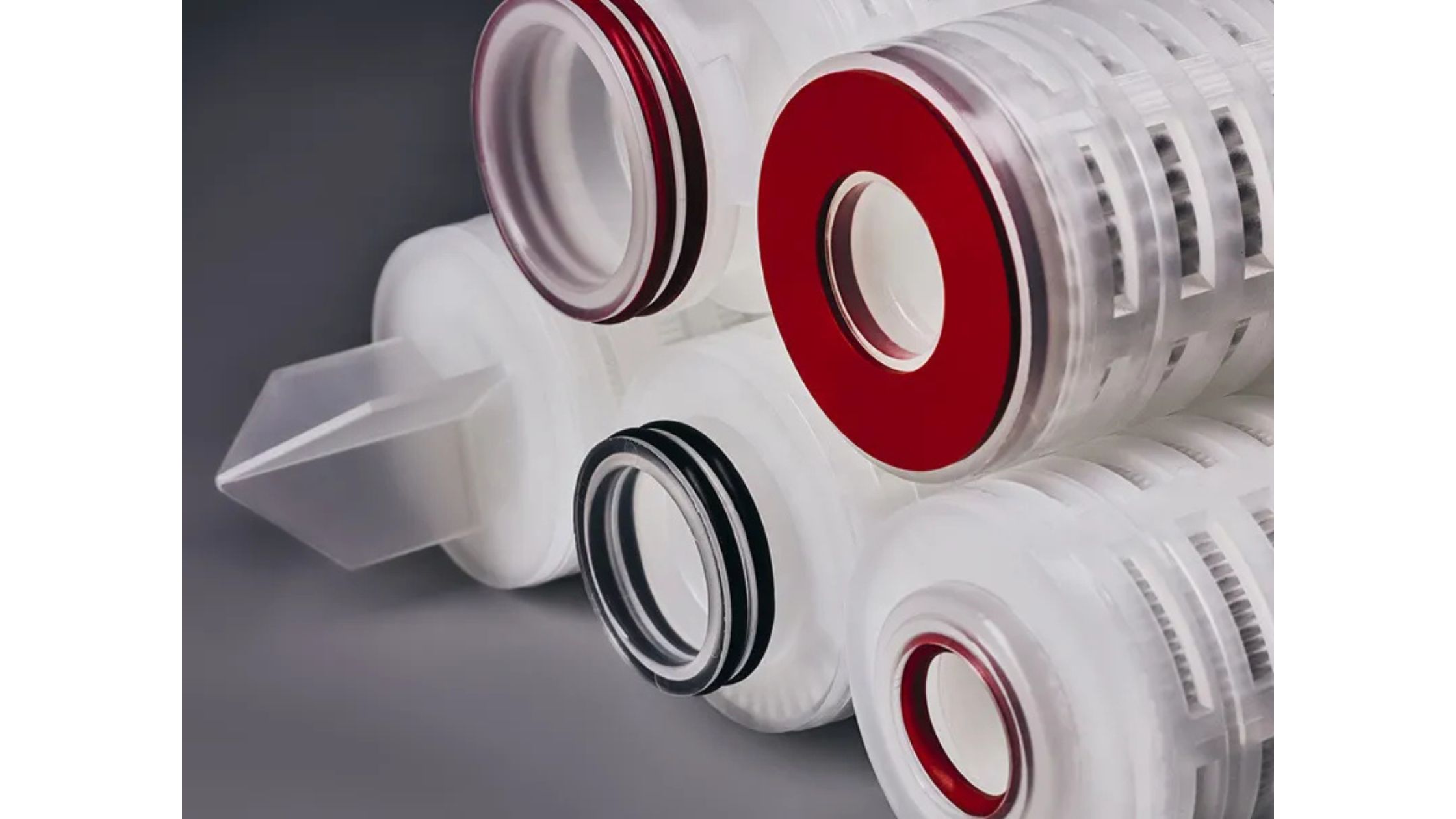
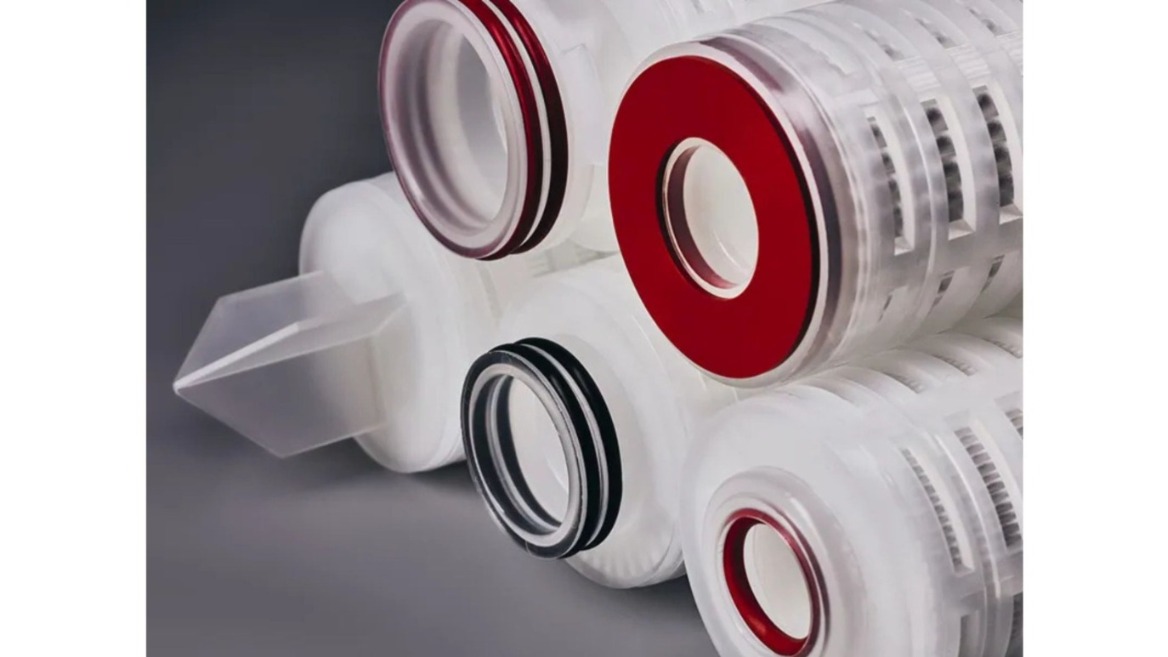
For applications requiring fine particle removal, High-efficiency filter cartridges provide reliable filtration while supporting consistent production. Selecting the correct filtration rating for the application can also reduce unnecessary filter changes and improve overall system performance.

Think About Daily Operation

A filtration system should fit naturally into your daily production routine. Equipment that is simple to clean and easy to service can reduce maintenance time and keep production moving without unnecessary interruptions.


Small improvements in maintenance can make a noticeable difference over time. Faster filter replacement and easier access to system components allow production teams to spend less time on servicing and more time keeping the process running.

Plan for Future Growth

Production requirements can change over time. A facility may introduce new products, increase production capacity, or expand existing processing lines. Selecting equipment with future growth in mind can reduce the need for another major investment later.


A system with the right capacity also provides more flexibility as production demands change. Planning ahead can save both time and operating costs over the life of the equipment.

Build a Reliable Filtration System

Good filtration depends on more than one piece of equipment. Every stage of the process should work together to protect product quality and maintain steady production. Selecting the right filtration solution from the beginning creates a stronger and more dependable process.


Using High-efficiency filter cartridges in the right application can improve filtration consistency while helping protect downstream equipment. A well-planned system also supports longer equipment life and more predictable maintenance schedules.

Final Thoughts

Choosing the right commercial filtration equipment is an important decision for any pharmaceutical facility. The best solution is one that matches your product, supports your production process, and delivers reliable performance every day. 


Taking time to compare filtration options, review key features, and plan for future production can lead to better efficiency, consistent product quality, and a filtration system that continues to perform as your operation grows.

What Type of Commercial Filtration Equipment Is Best for Pharmaceutical Manufacturing?

11
2026-07-16 01:36:00


The best commercial filtration equipment for pharmaceutical manufacturing depends on the product being processed, the required level of purity, and the stage of production. A filtration system should fit the application, deliver consistent performance, and support reliable operation every day. 


Selecting equipment based on process requirements instead of price alone can improve product quality, reduce maintenance, and support efficient production. Taking time to compare filtration options before making a decision can also help avoid costly changes later.

Understand Your Production Process

Every pharmaceutical process is different. Some applications remove larger particles early in production, while others need very fine filtration before the product moves to the next stage. The filtration requirements also change depending on the product being manufactured.


Starting with a clear understanding of the process makes equipment selection much easier. It allows you to compare solutions based on real production needs instead of choosing a system simply because it is commonly used in the industry.

Compare the Main Filtration Options

Different filtration technologies are designed for different jobs. Knowing where each one fits can help narrow your options and make the final decision more confident.


Filtration Equipment

Best Used For

Main Benefit

Cartridge filtration

Final filtration before packaging

Delivers consistent particle removal and is easy to replace

Depth filtration

Clarification and prefiltration

Holds a large amount of particles before replacement

Lenticular filtration

Closed processing applications

Reduces product exposure during filtration

Ultrafiltration

Protein concentration and product separation

Removes very small particles while keeping valuable ingredients

Match Equipment to Your Application

A good filtration system should support the way your facility operates. For example, equipment selected for liquid pharmaceuticals may not be suitable for biological products or specialty ingredients. Looking at the product alone is not enough.


Production volume, flow rate, and product sensitivity should also be part of the decision. Choosing equipment that matches these requirements can improve filtration performance while reducing unnecessary changes after installation.

Focus on the Features That Matter

Looking at product specifications is important, but daily performance matters just as much. Equipment should be reliable, easy to maintain, and able to support production without creating extra work for the maintenance team.


Before making a final decision, consider:


  • Filtration performance for your application

  • Capacity based on daily production

  • Compatibility with your existing system

  • Cleaning and maintenance requirements

  • Availability of replacement filters

  • Technical support for future production needs


Reviewing these points together provides a better picture of how the equipment will perform over time.

Choose the Right Filter Cartridges

The filtration system is only one part of the process. The filter cartridges used inside the system also affect performance, product quality, and maintenance schedules.


For applications requiring fine particle removal, High-efficiency filter cartridges provide reliable filtration while supporting consistent production. Selecting the correct filtration rating for the application can also reduce unnecessary filter changes and improve overall system performance.

Think About Daily Operation

A filtration system should fit naturally into your daily production routine. Equipment that is simple to clean and easy to service can reduce maintenance time and keep production moving without unnecessary interruptions.


Small improvements in maintenance can make a noticeable difference over time. Faster filter replacement and easier access to system components allow production teams to spend less time on servicing and more time keeping the process running.

Plan for Future Growth

Production requirements can change over time. A facility may introduce new products, increase production capacity, or expand existing processing lines. Selecting equipment with future growth in mind can reduce the need for another major investment later.


A system with the right capacity also provides more flexibility as production demands change. Planning ahead can save both time and operating costs over the life of the equipment.

Build a Reliable Filtration System

Good filtration depends on more than one piece of equipment. Every stage of the process should work together to protect product quality and maintain steady production. Selecting the right filtration solution from the beginning creates a stronger and more dependable process.


Using High-efficiency filter cartridges in the right application can improve filtration consistency while helping protect downstream equipment. A well-planned system also supports longer equipment life and more predictable maintenance schedules.

Final Thoughts

Choosing the right commercial filtration equipment is an important decision for any pharmaceutical facility. The best solution is one that matches your product, supports your production process, and delivers reliable performance every day. 


Taking time to compare filtration options, review key features, and plan for future production can lead to better efficiency, consistent product quality, and a filtration system that continues to perform as your operation grows.

Comments

Recommended

How Does Wine Filtration Affect Taste, Aroma, and Clarity?
separationtechnologies
15
Performance Profiles of Cellulose vs. Cellulose-DE/Perlite Filter Sheets in Beverage Processing
separationtechnologies
161
Industrial Cloud Market Growth Potential and Strategic Insights 2026-2034
V_7A2SDFJO
36
Download Vipon App to get great deals now!
...
Amazon Coupons Loading…