Amazon Coupons
Vipon > V Show > How to Remove a Catalytic Converter in a Honda CR-V? Share great deals & products and save together.

How to Remove a Catalytic Converter in a Honda CR-V?

2024-07-22 02:07:10
Report

Removing a catalytic converter from a Honda CR-V involves several steps and requires specific tools. The catalytic converter is a vital component of the vehicle's exhaust system, designed to reduce harmful emissions. Here’s a detailed guide on how to remove it:

Preparation and Safety

Before beginning the removal process, ensure you have the following tools: a wrench or socket set, jack and jack stands, safety goggles, gloves, penetrating oil, and an exhaust pipe cutter if necessary. Safety is paramount, so park your Honda CR-V on a flat surface, engage the parking brake, and let the engine cool down completely. Disconnect the battery to prevent any electrical hazards.

Locating and Accessing the Catalytic Converter

  1. Raise the Vehicle: Use a jack to lift the front of the CR-V and secure it with jack stands. This will provide access to the underside of the vehicle.

  2. Locate the Catalytic Converter: The catalytic converter is situated between the exhaust manifold and the muffler. It typically appears as a metallic canister integrated into the exhaust pipe.

Removing the Catalytic Converter

  1. Apply Penetrating Oil: Spray penetrating oil on the bolts connecting the catalytic converter to the exhaust system. This helps loosen any rusted or stubborn bolts.

  2. Unbolt the Converter: Use a wrench or socket set to remove the bolts at both ends of the catalytic converter. If the bolts are too tight or rusted, let the penetrating oil sit for a few minutes.

  3. Cut the Exhaust Pipe (if necessary): In some cases, you may need to use an exhaust pipe cutter to remove the catalytic converter. Make sure to make clean cuts on either side of the converter.

  4. Remove the Converter: Once the bolts are removed or the pipe is cut, carefully take out the catalytic converter. Make sure you have a replacement ready if you plan to install a new one.

How Difficult is It to Replace a Catalytic Converter?

Replacing a catalytic converter can be moderately challenging to difficult, depending on your mechanical skills and the tools available. Here are some factors to consider:

Mechanical Skill Level

If you have basic mechanical skills and experience with vehicle repairs, you might find the process manageable. However, it can be daunting for beginners.

Tool Availability

Having the right tools, such as a jack, jack stands, wrenches, and an exhaust pipe cutter, is essential. Lack of these tools can complicate the replacement process.

Vehicle Design

The design and age of the vehicle play a role in the difficulty level. Older vehicles might have rusted bolts, making removal harder, while newer models might have more complex exhaust systems.

Access and Space

Working under the vehicle can be cramped and uncomfortable. Ensure you have enough space and proper lighting to work efficiently.

Some Tips for Replacing a Catalytic Converter

Replacing a catalytic converter involves careful planning and execution. Here are some tips to ensure a smooth process:

Preparation and Planning

  1. Research and Gather Information: Understand your vehicle’s exhaust system and locate the catalytic converter. Refer to the vehicle’s manual or online guides specific to your model.

  2. Gather the Right Tools: Ensure you have all necessary tools and safety equipment. This includes wrenches, socket sets, penetrating oil, jacks, and jack stands.

  3. Purchase a Compatible Converter: Make sure the replacement catalytic converter is compatible with your Honda CR-V model. Quality replacements are crucial for optimal performance.

During the Replacement

  1. Safety First: Always prioritize safety. Wear safety goggles and gloves, and ensure the vehicle is securely lifted and supported.

  2. Use Penetrating Oil: Spray penetrating oil on rusted or stubborn bolts and let it sit for a few minutes. This makes the bolts easier to remove.

  3. Support the Exhaust System: When removing the catalytic converter, support the exhaust system with jack stands to prevent it from dropping and causing damage.

After the Replacement

  1. Check for Leaks: After installing the new catalytic converter, start the engine and check for any exhaust leaks. Listen for unusual noises and inspect the connections.

  2. Reconnect the Battery: Once everything is secure and there are no leaks, reconnect the vehicle’s battery.

  3. Test Drive: Take the vehicle for a test drive to ensure the new catalytic converter is functioning correctly. Monitor the check engine light and vehicle performance.

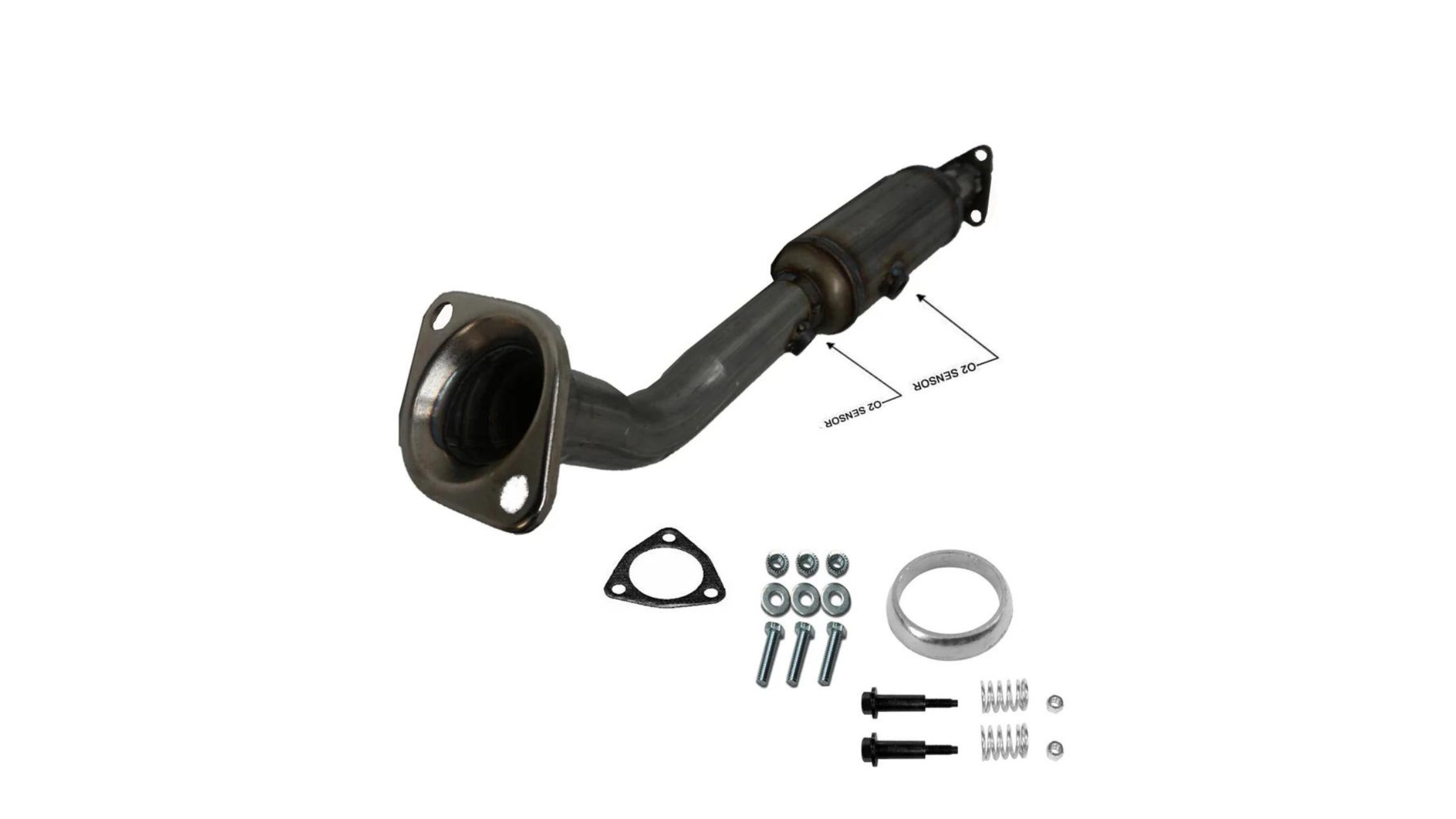
2002 Honda CR-V Catalytic Converter

For the 2002 Honda CR-V, the catalytic converter is an integral part of the exhaust system. It helps reduce harmful emissions and ensures the vehicle meets environmental standards. If your 2002 CR-V catalytic converter shows signs of a failing, such as reduced engine performance, increased emissions, or a persistent check engine light, it might be time for a replacement.

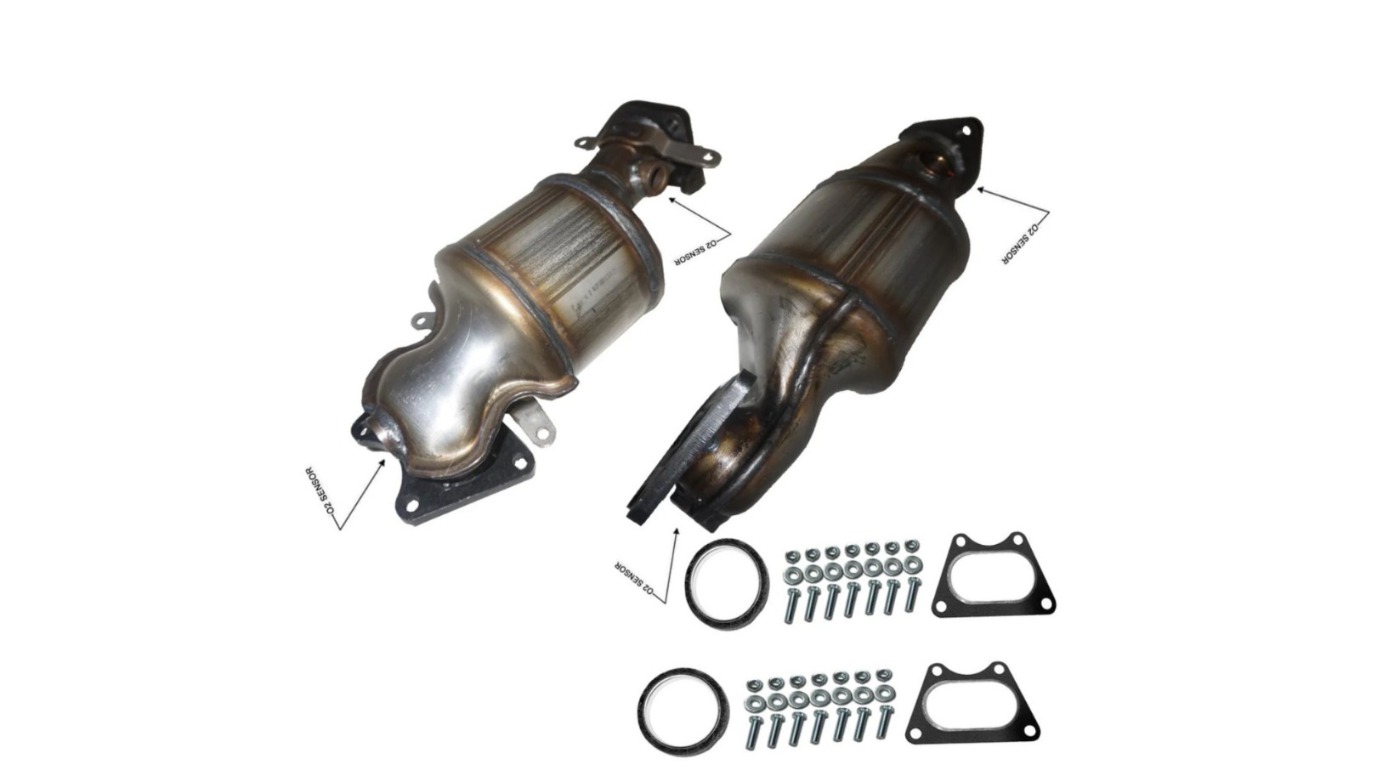
2010 Honda CR-V Catalytic Converter

The 2010 Honda CR-V also relies heavily on a functional catalytic converter to meet emissions standards and maintain engine performance. A failing catalytic converter can lead to engine misfires, reduced fuel efficiency, and higher emissions. Regular maintenance and timely replacement of the 2010 Honda CRV-V catalytic converter are crucial for the health of your 2010 CR-V.

Buy Honda CR-V Catalytic Converter at Excel Exhaust Systems

When it comes to replacing the catalytic converter in your Honda CR-V, Excel Exhaust Systems offers high-quality, reliable options. Their catalytic converters are designed to meet or exceed OEM standards, ensuring optimal performance and durability. By choosing Excel Exhaust Systems, you benefit from:

  • Quality Assurance: Each catalytic converter is crafted with precision to ensure a perfect fit and long-lasting performance.

  • Environmental Compliance: Excel Exhaust Systems' converters help your CR-V meet stringent emissions standards, reducing its environmental impact.

  • Enhanced Performance: A high-quality catalytic converter from Excel Exhaust Systems can improve your vehicle’s engine efficiency and overall performance.

Conclusion

Removing and replacing a catalytic converter in a Honda CR-V involves several steps and requires proper tools and safety measures. While the process can be challenging, especially for beginners, following the steps and tips outlined above can help make the task more manageable. Always prioritize safety, use penetrating oil to ease bolt removal, and ensure the replacement catalytic converter is compatible with your vehicle. For 2002 and 2010 Honda CR-V owners, Excel Exhaust Systems offers reliable and durable catalytic converters that enhance performance and meet emissions standards. By choosing a quality product from Excel Exhaust Systems, you can ensure your CR-V runs efficiently and responsibly. Contact Excel Exhaust Systems today to find the right catalytic converter for your Honda CR-V.


How to Remove a Catalytic Converter in a Honda CR-V?

422.2k
2024-07-22 02:07:10

Removing a catalytic converter from a Honda CR-V involves several steps and requires specific tools. The catalytic converter is a vital component of the vehicle's exhaust system, designed to reduce harmful emissions. Here’s a detailed guide on how to remove it:

Preparation and Safety

Before beginning the removal process, ensure you have the following tools: a wrench or socket set, jack and jack stands, safety goggles, gloves, penetrating oil, and an exhaust pipe cutter if necessary. Safety is paramount, so park your Honda CR-V on a flat surface, engage the parking brake, and let the engine cool down completely. Disconnect the battery to prevent any electrical hazards.

Locating and Accessing the Catalytic Converter

  1. Raise the Vehicle: Use a jack to lift the front of the CR-V and secure it with jack stands. This will provide access to the underside of the vehicle.

  2. Locate the Catalytic Converter: The catalytic converter is situated between the exhaust manifold and the muffler. It typically appears as a metallic canister integrated into the exhaust pipe.

Removing the Catalytic Converter

  1. Apply Penetrating Oil: Spray penetrating oil on the bolts connecting the catalytic converter to the exhaust system. This helps loosen any rusted or stubborn bolts.

  2. Unbolt the Converter: Use a wrench or socket set to remove the bolts at both ends of the catalytic converter. If the bolts are too tight or rusted, let the penetrating oil sit for a few minutes.

  3. Cut the Exhaust Pipe (if necessary): In some cases, you may need to use an exhaust pipe cutter to remove the catalytic converter. Make sure to make clean cuts on either side of the converter.

  4. Remove the Converter: Once the bolts are removed or the pipe is cut, carefully take out the catalytic converter. Make sure you have a replacement ready if you plan to install a new one.

How Difficult is It to Replace a Catalytic Converter?

Replacing a catalytic converter can be moderately challenging to difficult, depending on your mechanical skills and the tools available. Here are some factors to consider:

Mechanical Skill Level

If you have basic mechanical skills and experience with vehicle repairs, you might find the process manageable. However, it can be daunting for beginners.

Tool Availability

Having the right tools, such as a jack, jack stands, wrenches, and an exhaust pipe cutter, is essential. Lack of these tools can complicate the replacement process.

Vehicle Design

The design and age of the vehicle play a role in the difficulty level. Older vehicles might have rusted bolts, making removal harder, while newer models might have more complex exhaust systems.

Access and Space

Working under the vehicle can be cramped and uncomfortable. Ensure you have enough space and proper lighting to work efficiently.

Some Tips for Replacing a Catalytic Converter

Replacing a catalytic converter involves careful planning and execution. Here are some tips to ensure a smooth process:

Preparation and Planning

  1. Research and Gather Information: Understand your vehicle’s exhaust system and locate the catalytic converter. Refer to the vehicle’s manual or online guides specific to your model.

  2. Gather the Right Tools: Ensure you have all necessary tools and safety equipment. This includes wrenches, socket sets, penetrating oil, jacks, and jack stands.

  3. Purchase a Compatible Converter: Make sure the replacement catalytic converter is compatible with your Honda CR-V model. Quality replacements are crucial for optimal performance.

During the Replacement

  1. Safety First: Always prioritize safety. Wear safety goggles and gloves, and ensure the vehicle is securely lifted and supported.

  2. Use Penetrating Oil: Spray penetrating oil on rusted or stubborn bolts and let it sit for a few minutes. This makes the bolts easier to remove.

  3. Support the Exhaust System: When removing the catalytic converter, support the exhaust system with jack stands to prevent it from dropping and causing damage.

After the Replacement

  1. Check for Leaks: After installing the new catalytic converter, start the engine and check for any exhaust leaks. Listen for unusual noises and inspect the connections.

  2. Reconnect the Battery: Once everything is secure and there are no leaks, reconnect the vehicle’s battery.

  3. Test Drive: Take the vehicle for a test drive to ensure the new catalytic converter is functioning correctly. Monitor the check engine light and vehicle performance.

2002 Honda CR-V Catalytic Converter

For the 2002 Honda CR-V, the catalytic converter is an integral part of the exhaust system. It helps reduce harmful emissions and ensures the vehicle meets environmental standards. If your 2002 CR-V catalytic converter shows signs of a failing, such as reduced engine performance, increased emissions, or a persistent check engine light, it might be time for a replacement.

2010 Honda CR-V Catalytic Converter

The 2010 Honda CR-V also relies heavily on a functional catalytic converter to meet emissions standards and maintain engine performance. A failing catalytic converter can lead to engine misfires, reduced fuel efficiency, and higher emissions. Regular maintenance and timely replacement of the 2010 Honda CRV-V catalytic converter are crucial for the health of your 2010 CR-V.

Buy Honda CR-V Catalytic Converter at Excel Exhaust Systems

When it comes to replacing the catalytic converter in your Honda CR-V, Excel Exhaust Systems offers high-quality, reliable options. Their catalytic converters are designed to meet or exceed OEM standards, ensuring optimal performance and durability. By choosing Excel Exhaust Systems, you benefit from:

  • Quality Assurance: Each catalytic converter is crafted with precision to ensure a perfect fit and long-lasting performance.

  • Environmental Compliance: Excel Exhaust Systems' converters help your CR-V meet stringent emissions standards, reducing its environmental impact.

  • Enhanced Performance: A high-quality catalytic converter from Excel Exhaust Systems can improve your vehicle’s engine efficiency and overall performance.

Conclusion

Removing and replacing a catalytic converter in a Honda CR-V involves several steps and requires proper tools and safety measures. While the process can be challenging, especially for beginners, following the steps and tips outlined above can help make the task more manageable. Always prioritize safety, use penetrating oil to ease bolt removal, and ensure the replacement catalytic converter is compatible with your vehicle. For 2002 and 2010 Honda CR-V owners, Excel Exhaust Systems offers reliable and durable catalytic converters that enhance performance and meet emissions standards. By choosing a quality product from Excel Exhaust Systems, you can ensure your CR-V runs efficiently and responsibly. Contact Excel Exhaust Systems today to find the right catalytic converter for your Honda CR-V.


Comments

Recommended

A Guide to Honda Pilot Catalytic Converter
excelexhaust
41.5k
4 Signs Your Hyundai Needs a New Catalytic Converter
excelexhaust
353.7k
5 Benefits of Replacing a Faulty Catalytic Converter
excelexhaust
833.1k
Download Vipon App to get great deals now!
...
Amazon Coupons Loading…