Amazon Coupons
Vipon > V Show > Strumming the Soul: The Art of Guitar Playing Share great deals & products and save together.

Strumming the Soul: The Art of Guitar Playing

2024-10-28 03:29:36
Report


Introduction

The guitar is more than just an instrument; it’s a gateway to self-expression, creativity, and emotion. Whether you’re strumming on the beach, rocking out on stage, or practicing in your room, the guitar has a unique ability to connect with your soul and express emotions that words often can’t. This blog explores the art of guitar playing, from its rich history to essential techniques and the soulful connection it creates between the player and the listener.

1. A Brief History of Guitar Playing

The journey of the guitar began centuries ago, evolving from ancient stringed instruments like the lute and sitar. In the 16th century, the Spanish vihuela became the direct ancestor of the modern guitar, which further developed into the classical, acoustic, and electric versions we know today. From flamenco rhythms to blues, jazz, and rock, the guitar has traversed various musical landscapes, each adding to its cultural richness.

2. The Emotional Connection

Playing the guitar is more than just hitting the right notes. It’s about feeling the music and letting your emotions flow through each strum and pluck. Whether you’re playing a soft ballad or a fiery solo, the guitar allows you to express joy, sorrow, love, and everything in between. This emotional depth is what makes guitar playing a form of art, as it lets both the player and the listener connect on a deeper level.

3. The Different Types of Guitars

Understanding the different types of guitars can help you discover your style and sound. Each type has its unique characteristics:

  • Acoustic Guitar: Perfect for beginners and versatile for various styles. Its warm, rich tones make it suitable for genres like folk, country, and pop.
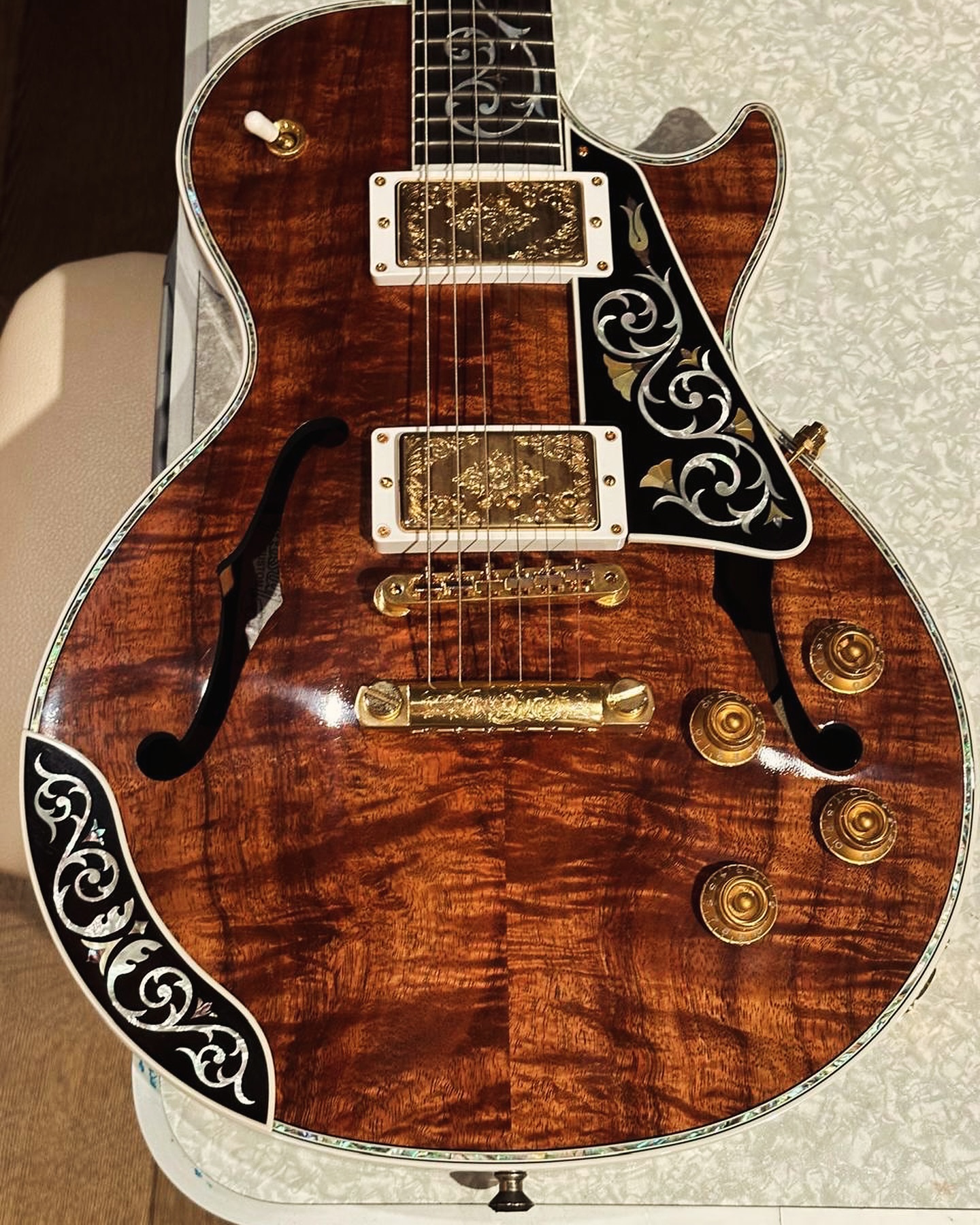
  • Electric Guitar: Ideal for rock, blues, jazz, and metal. With the help of amplifiers, it can produce a wide range of sounds, from clean and smooth to distorted and aggressive.
  • Classical Guitar: Known for its nylon strings, this guitar is commonly used in classical and flamenco music. It has a softer, mellower tone compared to its steel-stringed counterparts.
  • Bass Guitar: Not to be forgotten, the bass guitar lays down the rhythm and groove, giving a song its foundation. Essential in genres like rock, jazz, and funk.

4. Basic Techniques for Beginners

Getting started with guitar playing can be daunting, but with the right techniques, it becomes an enjoyable journey. Here are some basic skills every beginner should learn:

  • Proper Holding and Posture: Ensure you're comfortable and holding the guitar correctly. This will help prevent injuries and make playing easier.
  • Strumming and Picking: Learn basic strumming patterns and how to use a pick for plucking individual strings.
  • Chord Progressions: Start with simple chords like G, C, D, and E minor, and practice switching between them smoothly.
  • Fingerstyle Playing: This technique involves plucking the strings with your fingers, allowing for more intricate patterns and melodies.

5. Advanced Techniques to Master

Once you’ve got the basics down, you can begin exploring more advanced techniques:

  • Bending and Sliding: Techniques that add expression to your notes, often used in blues and rock.
  • Hammer-ons and Pull-offs: Quick transitions between notes that create a smoother, more fluid sound.
  • Tapping: A flashy technique where you use both hands on the fretboard, often seen in rock and metal.
  • Harmonics: Creating bell-like tones by lightly touching the strings at specific points.

6. The Importance of Practice

Like any art form, mastering the guitar takes time and dedication. Set aside regular practice sessions, focusing on different aspects each time — chords, scales, techniques, and even songs you love. Over time, your fingers will gain muscle memory, and playing will feel more natural. Remember, progress may be slow at first, but every strum gets you closer to mastering the instrument.

7. Finding Your Sound

One of the most beautiful aspects of guitar playing is that no two guitarists sound the same. Your playing style, combined with your choice of guitar, strings, and even picks, creates a unique sound. Experiment with different techniques, genres, and gear to find what resonates with you. Whether it’s the clean, crisp tones of jazz or the raw energy of rock, your guitar will reflect your personality and musical identity.

8. Why Everyone Should Try Playing the Guitar

The guitar is more than just an instrument; it’s a form of therapy, a way to unwind and de-stress. Research has shown that playing music can improve mental health, increase focus, and boost memory. For many, picking up the guitar is a lifelong passion that brings joy and fulfillment. It doesn’t matter if you’re a professional musician or just playing for fun; the guitar is accessible to everyone.

Conclusion

The art of guitar playing is a journey filled with rhythm, melody, and self-discovery. Whether you’re a beginner just starting out or a seasoned player looking to refine your skills, the guitar has endless possibilities waiting to be explored. So pick up that guitar, let your fingers dance on the strings, and strum your way into the world of soulful melodies. Let the music be your voice, and let the guitar be your guide.

Strumming the Soul: The Art of Guitar Playing

413.3k
2024-10-28 03:29:36


Introduction

The guitar is more than just an instrument; it’s a gateway to self-expression, creativity, and emotion. Whether you’re strumming on the beach, rocking out on stage, or practicing in your room, the guitar has a unique ability to connect with your soul and express emotions that words often can’t. This blog explores the art of guitar playing, from its rich history to essential techniques and the soulful connection it creates between the player and the listener.

1. A Brief History of Guitar Playing

The journey of the guitar began centuries ago, evolving from ancient stringed instruments like the lute and sitar. In the 16th century, the Spanish vihuela became the direct ancestor of the modern guitar, which further developed into the classical, acoustic, and electric versions we know today. From flamenco rhythms to blues, jazz, and rock, the guitar has traversed various musical landscapes, each adding to its cultural richness.

2. The Emotional Connection

Playing the guitar is more than just hitting the right notes. It’s about feeling the music and letting your emotions flow through each strum and pluck. Whether you’re playing a soft ballad or a fiery solo, the guitar allows you to express joy, sorrow, love, and everything in between. This emotional depth is what makes guitar playing a form of art, as it lets both the player and the listener connect on a deeper level.

3. The Different Types of Guitars

Understanding the different types of guitars can help you discover your style and sound. Each type has its unique characteristics:

  • Acoustic Guitar: Perfect for beginners and versatile for various styles. Its warm, rich tones make it suitable for genres like folk, country, and pop.
  • Electric Guitar: Ideal for rock, blues, jazz, and metal. With the help of amplifiers, it can produce a wide range of sounds, from clean and smooth to distorted and aggressive.
  • Classical Guitar: Known for its nylon strings, this guitar is commonly used in classical and flamenco music. It has a softer, mellower tone compared to its steel-stringed counterparts.
  • Bass Guitar: Not to be forgotten, the bass guitar lays down the rhythm and groove, giving a song its foundation. Essential in genres like rock, jazz, and funk.

4. Basic Techniques for Beginners

Getting started with guitar playing can be daunting, but with the right techniques, it becomes an enjoyable journey. Here are some basic skills every beginner should learn:

  • Proper Holding and Posture: Ensure you're comfortable and holding the guitar correctly. This will help prevent injuries and make playing easier.
  • Strumming and Picking: Learn basic strumming patterns and how to use a pick for plucking individual strings.
  • Chord Progressions: Start with simple chords like G, C, D, and E minor, and practice switching between them smoothly.
  • Fingerstyle Playing: This technique involves plucking the strings with your fingers, allowing for more intricate patterns and melodies.

5. Advanced Techniques to Master

Once you’ve got the basics down, you can begin exploring more advanced techniques:

  • Bending and Sliding: Techniques that add expression to your notes, often used in blues and rock.
  • Hammer-ons and Pull-offs: Quick transitions between notes that create a smoother, more fluid sound.
  • Tapping: A flashy technique where you use both hands on the fretboard, often seen in rock and metal.
  • Harmonics: Creating bell-like tones by lightly touching the strings at specific points.

6. The Importance of Practice

Like any art form, mastering the guitar takes time and dedication. Set aside regular practice sessions, focusing on different aspects each time — chords, scales, techniques, and even songs you love. Over time, your fingers will gain muscle memory, and playing will feel more natural. Remember, progress may be slow at first, but every strum gets you closer to mastering the instrument.

7. Finding Your Sound

One of the most beautiful aspects of guitar playing is that no two guitarists sound the same. Your playing style, combined with your choice of guitar, strings, and even picks, creates a unique sound. Experiment with different techniques, genres, and gear to find what resonates with you. Whether it’s the clean, crisp tones of jazz or the raw energy of rock, your guitar will reflect your personality and musical identity.

8. Why Everyone Should Try Playing the Guitar

The guitar is more than just an instrument; it’s a form of therapy, a way to unwind and de-stress. Research has shown that playing music can improve mental health, increase focus, and boost memory. For many, picking up the guitar is a lifelong passion that brings joy and fulfillment. It doesn’t matter if you’re a professional musician or just playing for fun; the guitar is accessible to everyone.

Conclusion

The art of guitar playing is a journey filled with rhythm, melody, and self-discovery. Whether you’re a beginner just starting out or a seasoned player looking to refine your skills, the guitar has endless possibilities waiting to be explored. So pick up that guitar, let your fingers dance on the strings, and strum your way into the world of soulful melodies. Let the music be your voice, and let the guitar be your guide.

Comments

Recommended

Slots in Canada: What Players Look for Before Playing
Dizahn
218
Seasonal Demand and Kauai Fishing Charter Prices: When to Book for Value?
V_3OJG6LT7
33
Vacuum Blood Collection Tube Market Healthcare Sector Insights and Forecast 2026-2034
V_7A2SDFJO
30
Download Vipon App to get great deals now!
...
Amazon Coupons Loading…