Amazon Coupons
Vipon > V Show > The Essential Guide to Choosing the Right Catalytic Converter Share great deals & products and save together.

The Essential Guide to Choosing the Right Catalytic Converter

2024-11-12 01:00:00
Report


Catalytic converters play a vital role in the automotive industry, serving as a crucial component of a vehicle's exhaust system. They are designed to reduce harmful emissions, making vehicles more environmentally friendly. In this blog, we will explore what a catalytic converter is, the signs of a failing unit, its role in hybrid and electric vehicles, tips for choosing the right one, and where to buy a 2012 Honda CR-V catalytic converter.

What is a Catalytic Converter?

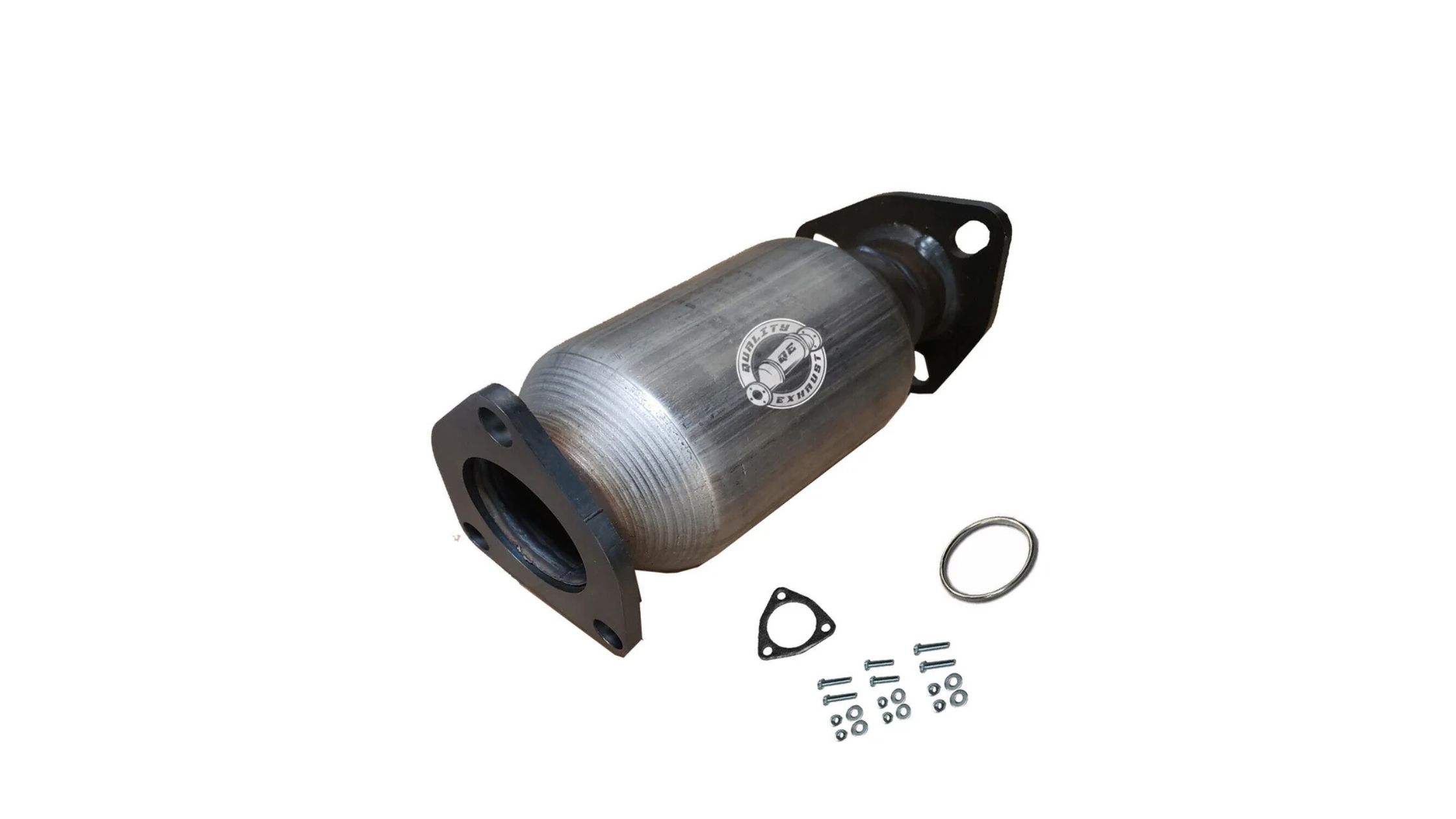
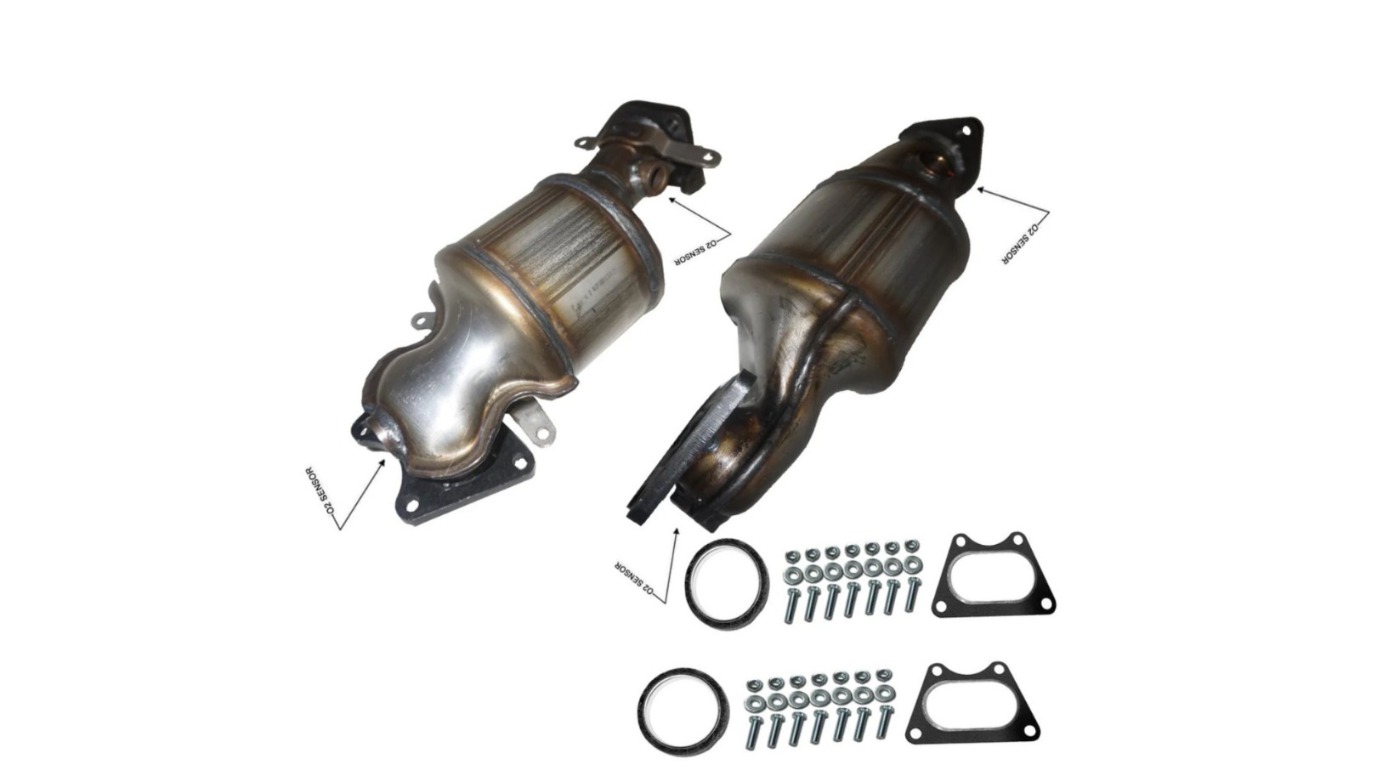
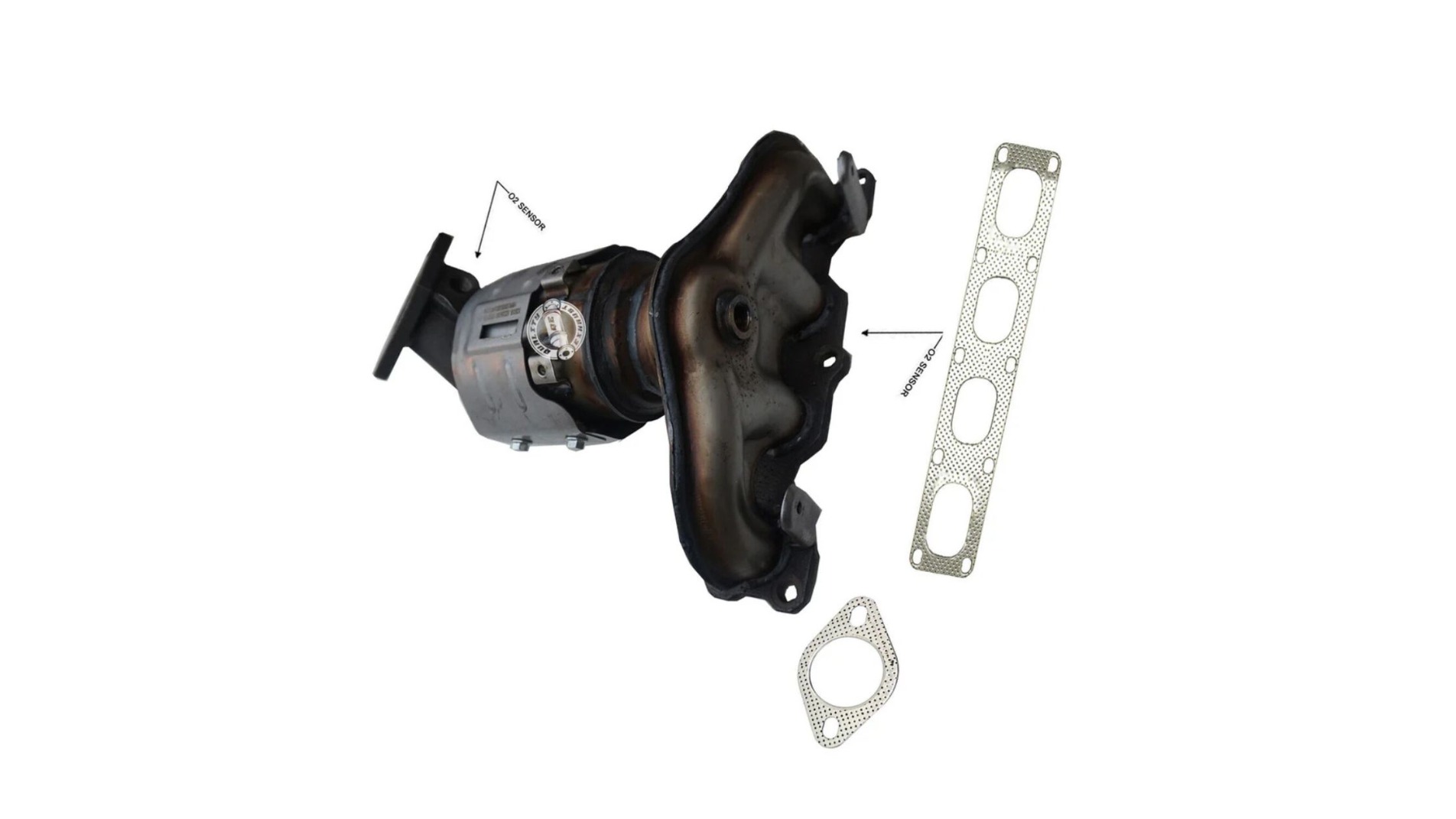
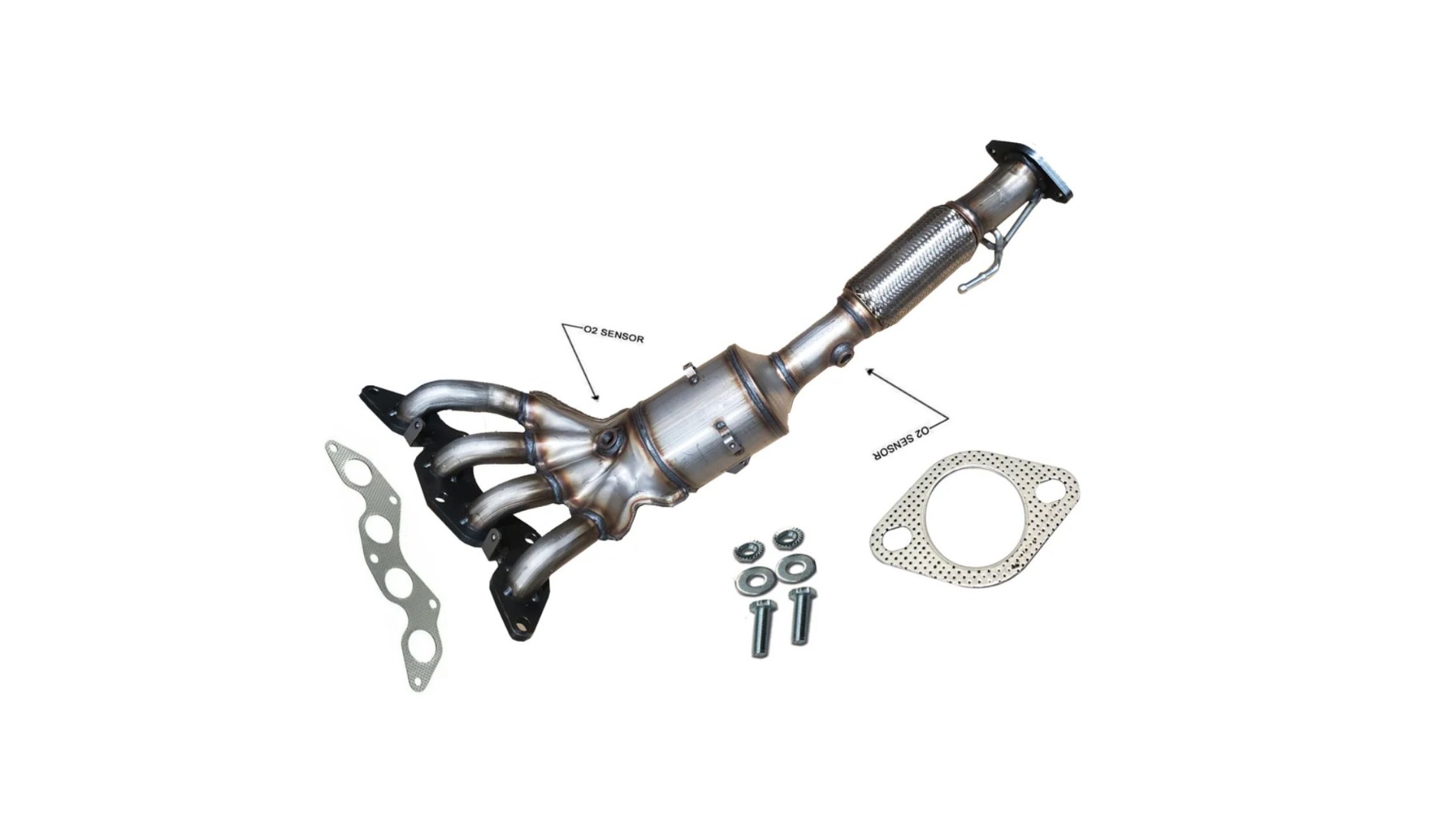
A catalytic converter is a device installed in the exhaust system of a vehicle. Its primary function is to convert harmful pollutants produced during fuel combustion into less harmful substances before they are released into the atmosphere. The converter uses a catalyst, typically made from precious metals like platinum, palladium, and rhodium, to facilitate chemical reactions.

Signs of a Failing Catalytic Converter

As with any vehicle component, catalytic converters can fail over time. Recognizing the signs of a failing catalytic converter is crucial for timely repairs and maintaining vehicle performance. Here are some common indicators:

  1. Check Engine Light: One of the first signs of a potential catalytic converter issue is the illumination of the check engine light. This can indicate various problems, including a failing converter.

  2. Decreased Engine Performance: If you notice a lack of power during acceleration or difficulty maintaining speed, it may be a sign that the catalytic converter is clogged or damaged, restricting exhaust flow.

  3. Poor Fuel Economy: A failing catalytic converter can lead to decreased fuel efficiency. If you find yourself refueling more often without any changes in your driving habits, it could be related to the converter.

  4. Unusual Exhaust Emissions: If you observe a strong smell of sulfur or rotten eggs coming from the exhaust, this can indicate that the catalytic converter is not functioning correctly. Additionally, visible exhaust smoke can be a sign of an issue.

  5. Overheating: A malfunctioning catalytic converter can cause the engine to overheat. This can result from a blockage preventing exhaust gases from escaping.

  6. Failed Emissions Test: If your vehicle fails an emissions test, it could be due to a faulty catalytic converter. Many regions require vehicles to pass emissions tests, so addressing this issue is essential for compliance.

The Role of Catalytic Converters in Hybrid and Electric Vehicles

In hybrid vehicles, catalytic converters play a crucial role in reducing emissions produced during gasoline engine operation. They help convert harmful exhaust gases into less toxic substances, maintaining environmental standards. While fully electric vehicles do not require traditional catalytic converters, they are designed with advanced systems to minimize emissions during manufacturing and operation. As regulations tighten, both hybrids and electric vehicles are increasingly focusing on emissions reduction strategies, making catalytic converters essential for compliance.

How to Choose the Right Catalytic Converter for Your Vehicle

Choosing the right catalytic converter for your vehicle is essential for ensuring optimal performance and compliance with emissions standards. Here are some tips to help you make the best choice:

  1. Check Compatibility: Always ensure that the catalytic converter you choose is compatible with your vehicle's make, model, and year. This information is usually available in your owner’s manual or through the manufacturer’s website.

  2. Select the Right Type: There are different types of catalytic converters, including two-way and three-way converters. Most modern vehicles use three-way converters, which handle oxidation and reduction processes. Make sure you choose the appropriate type for your vehicle.

  3. Consider Quality: Look for high-quality catalytic converters that meet or exceed OEM (original equipment manufacturer) standards. While cheaper options may be tempting, they can lead to poor performance and may need to be replaced sooner.

  4. Evaluate Warranty and Return Policy: When purchasing a catalytic converter, check for warranties and return policies. A good warranty indicates the manufacturer’s confidence in their product.

  5. Consult with Professionals: If you are unsure which catalytic converter to choose, consider consulting with a professional mechanic or exhaust specialist. They can provide valuable insights and help you make an informed decision.

Buy a Catalytic Converter for Your 2002 Honda CR-V

If you are looking to buy a 2002 Honda CR-V catalytic converter, it’s essential to choose a reliable source. Excel Exhaust System offers a wide range of high-quality catalytic converters that meet OEM specifications. With a focus on quality and performance, you can trust that your new catalytic converter will help keep your vehicle running smoothly while reducing emissions.

In addition, we provide free expedited delivery and a hassle-free 30-day return policy. Our parts come with a 12-month warranty, ensuring peace of mind with your purchase.

Conclusion

Understanding catalytic converters and their importance in your vehicle can help you maintain optimal performance and comply with environmental regulations. By recognizing the signs of a failing converter, knowing its role in hybrid and electric vehicles, and selecting the right replacement, you can ensure your vehicle operates efficiently. If you need a catalytic converter for your 2012 Honda CR-V, visit us today to explore our selection and make your purchase. Protect your vehicle and the environment by choosing the right catalytic converter!


The Essential Guide to Choosing the Right Catalytic Converter

125.2k
2024-11-12 01:00:00


Catalytic converters play a vital role in the automotive industry, serving as a crucial component of a vehicle's exhaust system. They are designed to reduce harmful emissions, making vehicles more environmentally friendly. In this blog, we will explore what a catalytic converter is, the signs of a failing unit, its role in hybrid and electric vehicles, tips for choosing the right one, and where to buy a 2012 Honda CR-V catalytic converter.

What is a Catalytic Converter?

A catalytic converter is a device installed in the exhaust system of a vehicle. Its primary function is to convert harmful pollutants produced during fuel combustion into less harmful substances before they are released into the atmosphere. The converter uses a catalyst, typically made from precious metals like platinum, palladium, and rhodium, to facilitate chemical reactions.

Signs of a Failing Catalytic Converter

As with any vehicle component, catalytic converters can fail over time. Recognizing the signs of a failing catalytic converter is crucial for timely repairs and maintaining vehicle performance. Here are some common indicators:

  1. Check Engine Light: One of the first signs of a potential catalytic converter issue is the illumination of the check engine light. This can indicate various problems, including a failing converter.

  2. Decreased Engine Performance: If you notice a lack of power during acceleration or difficulty maintaining speed, it may be a sign that the catalytic converter is clogged or damaged, restricting exhaust flow.

  3. Poor Fuel Economy: A failing catalytic converter can lead to decreased fuel efficiency. If you find yourself refueling more often without any changes in your driving habits, it could be related to the converter.

  4. Unusual Exhaust Emissions: If you observe a strong smell of sulfur or rotten eggs coming from the exhaust, this can indicate that the catalytic converter is not functioning correctly. Additionally, visible exhaust smoke can be a sign of an issue.

  5. Overheating: A malfunctioning catalytic converter can cause the engine to overheat. This can result from a blockage preventing exhaust gases from escaping.

  6. Failed Emissions Test: If your vehicle fails an emissions test, it could be due to a faulty catalytic converter. Many regions require vehicles to pass emissions tests, so addressing this issue is essential for compliance.

The Role of Catalytic Converters in Hybrid and Electric Vehicles

In hybrid vehicles, catalytic converters play a crucial role in reducing emissions produced during gasoline engine operation. They help convert harmful exhaust gases into less toxic substances, maintaining environmental standards. While fully electric vehicles do not require traditional catalytic converters, they are designed with advanced systems to minimize emissions during manufacturing and operation. As regulations tighten, both hybrids and electric vehicles are increasingly focusing on emissions reduction strategies, making catalytic converters essential for compliance.

How to Choose the Right Catalytic Converter for Your Vehicle

Choosing the right catalytic converter for your vehicle is essential for ensuring optimal performance and compliance with emissions standards. Here are some tips to help you make the best choice:

  1. Check Compatibility: Always ensure that the catalytic converter you choose is compatible with your vehicle's make, model, and year. This information is usually available in your owner’s manual or through the manufacturer’s website.

  2. Select the Right Type: There are different types of catalytic converters, including two-way and three-way converters. Most modern vehicles use three-way converters, which handle oxidation and reduction processes. Make sure you choose the appropriate type for your vehicle.

  3. Consider Quality: Look for high-quality catalytic converters that meet or exceed OEM (original equipment manufacturer) standards. While cheaper options may be tempting, they can lead to poor performance and may need to be replaced sooner.

  4. Evaluate Warranty and Return Policy: When purchasing a catalytic converter, check for warranties and return policies. A good warranty indicates the manufacturer’s confidence in their product.

  5. Consult with Professionals: If you are unsure which catalytic converter to choose, consider consulting with a professional mechanic or exhaust specialist. They can provide valuable insights and help you make an informed decision.

Buy a Catalytic Converter for Your 2002 Honda CR-V

If you are looking to buy a 2002 Honda CR-V catalytic converter, it’s essential to choose a reliable source. Excel Exhaust System offers a wide range of high-quality catalytic converters that meet OEM specifications. With a focus on quality and performance, you can trust that your new catalytic converter will help keep your vehicle running smoothly while reducing emissions.

In addition, we provide free expedited delivery and a hassle-free 30-day return policy. Our parts come with a 12-month warranty, ensuring peace of mind with your purchase.

Conclusion

Understanding catalytic converters and their importance in your vehicle can help you maintain optimal performance and comply with environmental regulations. By recognizing the signs of a failing converter, knowing its role in hybrid and electric vehicles, and selecting the right replacement, you can ensure your vehicle operates efficiently. If you need a catalytic converter for your 2012 Honda CR-V, visit us today to explore our selection and make your purchase. Protect your vehicle and the environment by choosing the right catalytic converter!


Comments

Recommended

A Guide to Honda Pilot Catalytic Converter
excelexhaust
41.5k
4 Signs Your Hyundai Needs a New Catalytic Converter
excelexhaust
353.7k
5 Benefits of Replacing a Faulty Catalytic Converter
excelexhaust
833.1k
Download Vipon App to get great deals now!
...
Amazon Coupons Loading…