Amazon Coupons
Vipon > V Show > Signs Your Dewatering Pump Needs Servicing Or Replacement Share great deals & products and save together.

Signs Your Dewatering Pump Needs Servicing Or Replacement

2024-11-13 06:40:38
Report


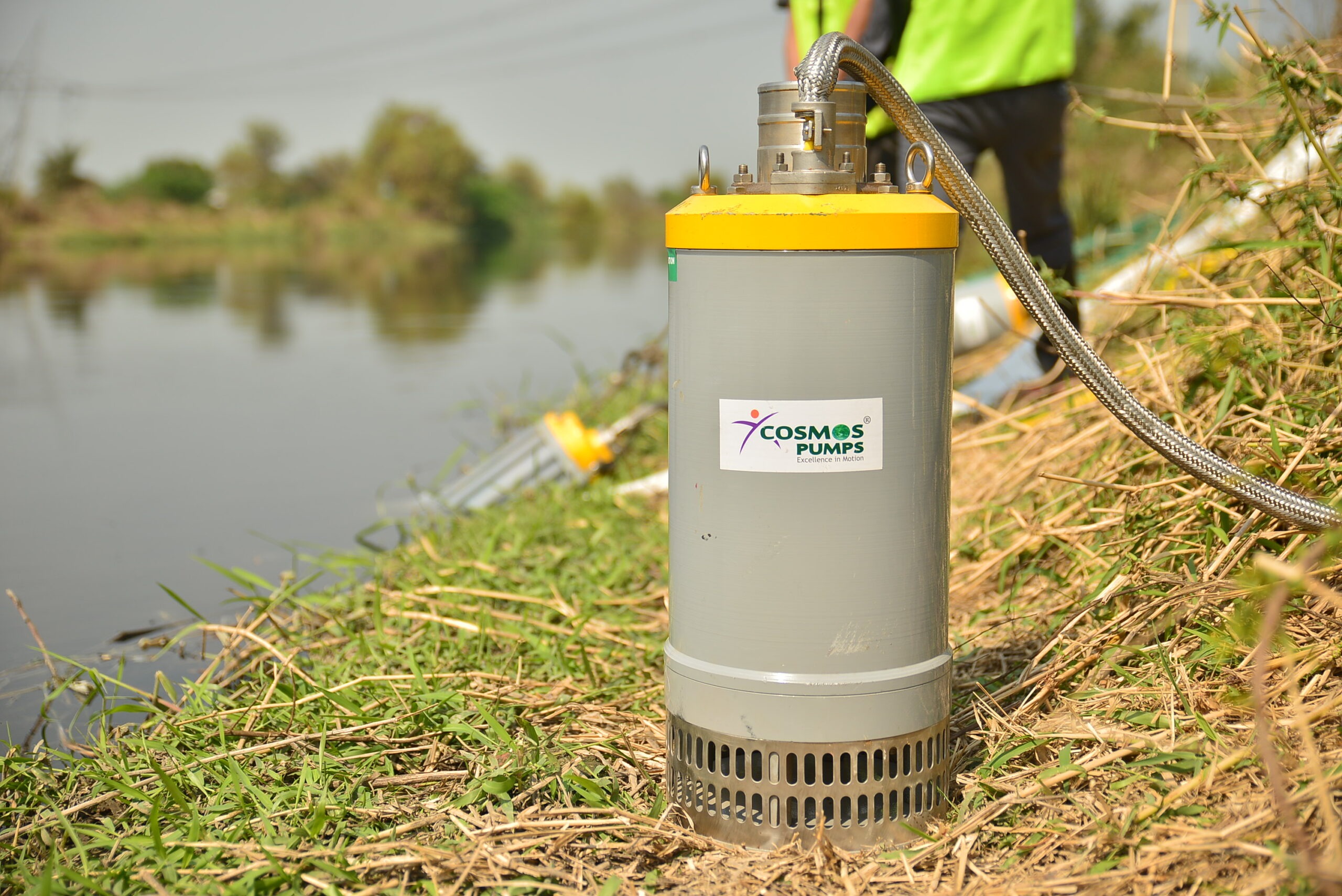
Consider your construction site following a heavy rainfall, flooded trenches, delayed work, and increased safety hazards. That's when dewatering pumps for construction come to the rescue, ensuring a dry and stable work environment. But what happens when your dewatering pump starts showing signs of wear and inefficiency? These early warning signs may result in expensive breakdowns and project delays. It is essential to know when to service or to replace your pump in order to keep your site productive and safe at the same time.

Here's how you can tell if your dewatering pump is asking for attention.

1. Abnormal Sounds and Vibrations

A properly functioning dewatering pump should operate smoothly with minimal noise. When you start hearing the rattling, grinders, or screechers, you already know there is something wrong. These sounds may indicate such problems as misalignment, loose components, or bearing breakdowns.

Excessive vibration is also a cause for concern that could indicate your pump is out of level or that the cavitation (bubbles of air forming and bursting in the pump) is taking place. Cavitation not only decreases efficiency but also may damage impellers and other inner components. Neglecting these sounds may easily transform a simple problem to a significant repair or replacement.

2. Frequent Overheating

When your pump is frequently overheating, it is a sign of distress. Low water levels, obstructed flow or inefficiency of the motors are the usual causes of overheating. Even the short-term drying of a pump can severely damage the seals and windings of the motor.

Ensure that there are no obstructions in the cooling mechanism of the pump and the ventilation. But when overheating continues despite fundamental inspection, the motor or electric parts are likely to be on the brink of breaking down, so professional attention or even total replacement becomes necessary.

3. Leakage Around the Pump

Visible leakage is one of the most common signs that a dewatering pump needs immediate attention. Water or oil escaping around seals, fittings, or joints is usually an indication that gaskets are old or the seals are broken.

Minor leaks may not appear to be harmful initially, but they may cause a decrease in suction force and, with time, a total breakdown of the pump. In high-demand projects, such as dewatering pumps for construction, even minor leaks can cause costly downtime.

4. Electrical Irregularities

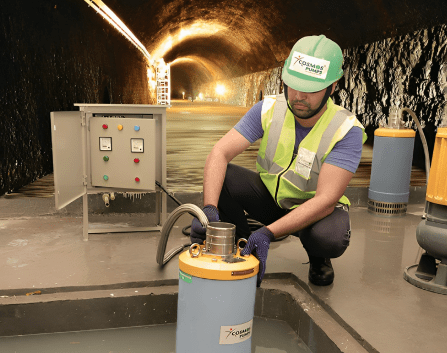
Electrical problems may rarely be noticed until the pump abruptly stops. Dashing indicator lights, irregular start-ups or tripping circuit breakers are frequently a sign of possible motor or wiring faults.

Electrical components in dewatering pumps for construction operate under challenging conditions, such as humidity, dust, and constant load. It is, therefore, essential to have frequent electrical checks. When the repairs are expensive or frequent, then long-run costs may favour a new pump over repairs.

5. High Energy Consumption

When there is an unexpected increase in the power bill, yet there is no increase in workload, it may indicate inefficiency of the pump. When the pump motor strains to exceed the normal work load to provide the same output, it uses more power.

An inefficient dewatering pump not only drains energy but also affects productivity. Replacing with a new, high-efficiency model can mean a significant reduction in the cost of operation and also a decrease in environmental impact- particularly in large construction projects.

6. Excessive Downtime

When your pump is being serviced regularly or even shuts down in the middle of its run, this is a good sign that it is approaching the end of its useful life. Although routine maintenance will increase the life span, no pump can perform beyond a certain level. In cases where the cost of maintenance is higher than the replacement cost, it is smarter to upgrade to a new system.

Final Thoughts

Your dewatering pumps for construction are the unsung heroes that keep your site dry, stable, and safe. However, even the most trustworthy equipment requires regular maintenance.

Servicing your dewatering pump on schedule and replacing it when necessary isn't just about avoiding breakdowns; it's about maintaining efficiency, safety, and trust in your construction operations.

Signs Your Dewatering Pump Needs Servicing Or Replacement

1013.1k
2024-11-13 06:40:38


Consider your construction site following a heavy rainfall, flooded trenches, delayed work, and increased safety hazards. That's when dewatering pumps for construction come to the rescue, ensuring a dry and stable work environment. But what happens when your dewatering pump starts showing signs of wear and inefficiency? These early warning signs may result in expensive breakdowns and project delays. It is essential to know when to service or to replace your pump in order to keep your site productive and safe at the same time.

Here's how you can tell if your dewatering pump is asking for attention.

1. Abnormal Sounds and Vibrations

A properly functioning dewatering pump should operate smoothly with minimal noise. When you start hearing the rattling, grinders, or screechers, you already know there is something wrong. These sounds may indicate such problems as misalignment, loose components, or bearing breakdowns.

Excessive vibration is also a cause for concern that could indicate your pump is out of level or that the cavitation (bubbles of air forming and bursting in the pump) is taking place. Cavitation not only decreases efficiency but also may damage impellers and other inner components. Neglecting these sounds may easily transform a simple problem to a significant repair or replacement.

2. Frequent Overheating

When your pump is frequently overheating, it is a sign of distress. Low water levels, obstructed flow or inefficiency of the motors are the usual causes of overheating. Even the short-term drying of a pump can severely damage the seals and windings of the motor.

Ensure that there are no obstructions in the cooling mechanism of the pump and the ventilation. But when overheating continues despite fundamental inspection, the motor or electric parts are likely to be on the brink of breaking down, so professional attention or even total replacement becomes necessary.

3. Leakage Around the Pump

Visible leakage is one of the most common signs that a dewatering pump needs immediate attention. Water or oil escaping around seals, fittings, or joints is usually an indication that gaskets are old or the seals are broken.

Minor leaks may not appear to be harmful initially, but they may cause a decrease in suction force and, with time, a total breakdown of the pump. In high-demand projects, such as dewatering pumps for construction, even minor leaks can cause costly downtime.

4. Electrical Irregularities

Electrical problems may rarely be noticed until the pump abruptly stops. Dashing indicator lights, irregular start-ups or tripping circuit breakers are frequently a sign of possible motor or wiring faults.

Electrical components in dewatering pumps for construction operate under challenging conditions, such as humidity, dust, and constant load. It is, therefore, essential to have frequent electrical checks. When the repairs are expensive or frequent, then long-run costs may favour a new pump over repairs.

5. High Energy Consumption

When there is an unexpected increase in the power bill, yet there is no increase in workload, it may indicate inefficiency of the pump. When the pump motor strains to exceed the normal work load to provide the same output, it uses more power.

An inefficient dewatering pump not only drains energy but also affects productivity. Replacing with a new, high-efficiency model can mean a significant reduction in the cost of operation and also a decrease in environmental impact- particularly in large construction projects.

6. Excessive Downtime

When your pump is being serviced regularly or even shuts down in the middle of its run, this is a good sign that it is approaching the end of its useful life. Although routine maintenance will increase the life span, no pump can perform beyond a certain level. In cases where the cost of maintenance is higher than the replacement cost, it is smarter to upgrade to a new system.

Final Thoughts

Your dewatering pumps for construction are the unsung heroes that keep your site dry, stable, and safe. However, even the most trustworthy equipment requires regular maintenance.

Servicing your dewatering pump on schedule and replacing it when necessary isn't just about avoiding breakdowns; it's about maintaining efficiency, safety, and trust in your construction operations.

Comments

Recommended

Mine Dewatering Tips To Improve Mine Safety
VIPON_801717073707
1367.2k
Kerala Cycling Holiday- How To Plan Properly?
VIPON_801717073707
611.6k
Why The Dewatering Pump 10 HP Is Ideal For Industrial And Construction Sites
VIPON_801717073707
331.3k
Download Vipon App to get great deals now!
...
Amazon Coupons Loading…