Amazon Coupons
Vipon > V Show > How Does DisCharge H2O Anti Charging Agent Enhance EBL Performance? Share great deals & products and save together.

How Does DisCharge H2O Anti Charging Agent Enhance EBL Performance?

2024-11-19 04:33:36
Report


For professionals in the field of electron beam lithography (EBL), achieving high precision and accuracy is paramount. One of the significant challenges faced during the EBL process is charge accumulation on non-conductive substrates, which can lead to distorted patterns and compromised results. This is where DisCharge H2O, a water-based anti-charging agent from DisChem, comes into play. Understanding its benefits and applications can significantly enhance your lithographic outcomes.

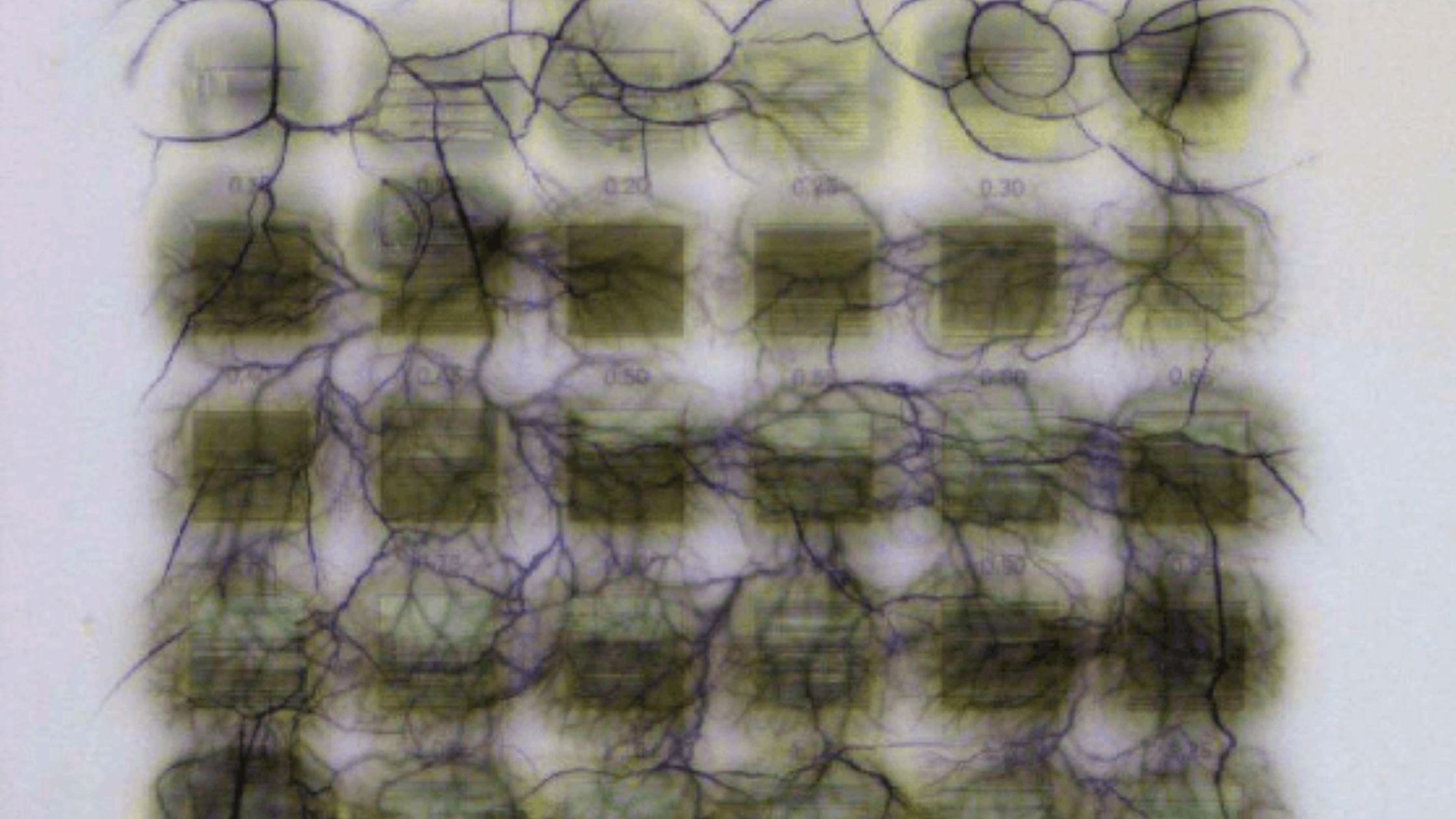
The DisCharge H2O anti charging agent is specifically designed to address the issues associated with charge buildup during EBL. By applying this agent directly on top of the resist layer, it creates a conductive film that effectively dissipates electrons. This process prevents charge accumulation on insulating substrates such as glass and silicon nitride, which are commonly used in lithography. 

The Mechanism Behind DisCharge H2O

DisCharge H2O works by forming a thin, conductive layer over the resist material. This layer allows excess electrons to dissipate safely, mitigating the risk of charge-related distortions during exposure. The application process is straightforward: users can spin coat or spray coat the agent onto the resist without requiring a pre-bake step. Once the EBL exposure is complete, removing the DisCharge film is easy; it can be washed off with water or isopropyl alcohol, leaving no residue behind.

The agent's versatility is another key feature. It is compatible with a wide range of positive resists, including PMMA, ZEP520A, CSAR 62, and mr-PosEBR. The availability of different formulations—standard (1X), 2X, and 4X—allows users to choose the appropriate thickness and conductivity based on their specific applications. This flexibility ensures that DisCharge H2O can meet diverse needs within the lithography community.

Additionally, using this anti-charging agent can increase throughput in lithographic processes. By minimizing charge-related issues, users can reduce the number of failed exposures and retries needed to achieve satisfactory results. This efficiency not only saves time but also lowers operational costs associated with wasted materials and labor.

Applications Across Industries

The applications of DisCharge H2O extend across various fields that rely on precise lithographic techniques. In semiconductor manufacturing, for instance, accurate patterning is crucial for creating functional devices at nanoscale dimensions. Researchers in nanotechnology also benefit from enhanced EBL capabilities when using charge dissipation agents like DisCharge H2O.

Moreover, academic institutions conducting cutting-edge research can leverage this technology to explore new materials and structures without being hindered by charge accumulation issues. The reliability offered by DisCharge H2O fosters innovation and experimentation in diverse scientific endeavors.

What Makes DisChem’s E-Beam Lithography Charge Dissipation Agent Stand Out?

DisChem specializes in providing chemical solutions tailored for advanced lithographic manufacturing processes. Their E-beam lithography charge dissipation agent, DisCharge H2O, exemplifies their commitment to quality and innovation in this field. By focusing on solving common problems associated with EBL processes—such as charge buildup—DisChem has positioned itself as a leader in developing effective solutions for researchers and manufacturers alike. DisChem’s products are rigorously tested to ensure they meet industry standards for performance and reliability. 

Final Remarks

In summary, the DisCharge H2O anti charging agent plays a crucial role in enhancing electron beam lithography processes by preventing charge accumulation on non-conductive substrates. Its ability to create a conductive film over resist materials significantly improves pattern fidelity and accuracy while streamlining workflows within semiconductor manufacturing and research environments. As industries continue to demand higher performance standards, leveraging advanced solutions like DisChem’s anti-charging agent will be essential for staying competitive in this rapidly evolving field.

How Does DisCharge H2O Anti Charging Agent Enhance EBL Performance?

1499.1k
2024-11-19 04:33:36


For professionals in the field of electron beam lithography (EBL), achieving high precision and accuracy is paramount. One of the significant challenges faced during the EBL process is charge accumulation on non-conductive substrates, which can lead to distorted patterns and compromised results. This is where DisCharge H2O, a water-based anti-charging agent from DisChem, comes into play. Understanding its benefits and applications can significantly enhance your lithographic outcomes.

The DisCharge H2O anti charging agent is specifically designed to address the issues associated with charge buildup during EBL. By applying this agent directly on top of the resist layer, it creates a conductive film that effectively dissipates electrons. This process prevents charge accumulation on insulating substrates such as glass and silicon nitride, which are commonly used in lithography. 

The Mechanism Behind DisCharge H2O

DisCharge H2O works by forming a thin, conductive layer over the resist material. This layer allows excess electrons to dissipate safely, mitigating the risk of charge-related distortions during exposure. The application process is straightforward: users can spin coat or spray coat the agent onto the resist without requiring a pre-bake step. Once the EBL exposure is complete, removing the DisCharge film is easy; it can be washed off with water or isopropyl alcohol, leaving no residue behind.

The agent's versatility is another key feature. It is compatible with a wide range of positive resists, including PMMA, ZEP520A, CSAR 62, and mr-PosEBR. The availability of different formulations—standard (1X), 2X, and 4X—allows users to choose the appropriate thickness and conductivity based on their specific applications. This flexibility ensures that DisCharge H2O can meet diverse needs within the lithography community.

Additionally, using this anti-charging agent can increase throughput in lithographic processes. By minimizing charge-related issues, users can reduce the number of failed exposures and retries needed to achieve satisfactory results. This efficiency not only saves time but also lowers operational costs associated with wasted materials and labor.

Applications Across Industries

The applications of DisCharge H2O extend across various fields that rely on precise lithographic techniques. In semiconductor manufacturing, for instance, accurate patterning is crucial for creating functional devices at nanoscale dimensions. Researchers in nanotechnology also benefit from enhanced EBL capabilities when using charge dissipation agents like DisCharge H2O.

Moreover, academic institutions conducting cutting-edge research can leverage this technology to explore new materials and structures without being hindered by charge accumulation issues. The reliability offered by DisCharge H2O fosters innovation and experimentation in diverse scientific endeavors.

What Makes DisChem’s E-Beam Lithography Charge Dissipation Agent Stand Out?

DisChem specializes in providing chemical solutions tailored for advanced lithographic manufacturing processes. Their E-beam lithography charge dissipation agent, DisCharge H2O, exemplifies their commitment to quality and innovation in this field. By focusing on solving common problems associated with EBL processes—such as charge buildup—DisChem has positioned itself as a leader in developing effective solutions for researchers and manufacturers alike. DisChem’s products are rigorously tested to ensure they meet industry standards for performance and reliability. 

Final Remarks

In summary, the DisCharge H2O anti charging agent plays a crucial role in enhancing electron beam lithography processes by preventing charge accumulation on non-conductive substrates. Its ability to create a conductive film over resist materials significantly improves pattern fidelity and accuracy while streamlining workflows within semiconductor manufacturing and research environments. As industries continue to demand higher performance standards, leveraging advanced solutions like DisChem’s anti-charging agent will be essential for staying competitive in this rapidly evolving field.

Comments

Recommended

What You Need to Know About DisCharge H2O Safety Data Sheet?
VIPON_261732008561
639.4k
Why the Discharge H2O Safety Data Sheet Is Crucial for Industrial Applications
VIPON_261732008561
1028.7k
Complete BBMP E-Khata Services in Bengaluru | Apply & Transfer
VIPON_711734676627
37
Download Vipon App to get great deals now!
...
Amazon Coupons Loading…