Amazon Coupons
Vipon > V Show > Essential Tips for Caring for Children with Hip Casts at Home Share great deals & products and save together.

Essential Tips for Caring for Children with Hip Casts at Home

2025-01-22 23:20:37
Report

When your child is fitted with a hip spica cast, adjusting to life at home can seem daunting at first. These casts are vital for healing after surgeries or fractures, but they also come with unique challenges. As a caregiver, you play a significant role in ensuring your child’s comfort and maintaining their overall well-being during recovery. Here are some essential tips to help you navigate this journey and make the process as smooth as possible.


1. Set Up a Comfortable Recovery Space

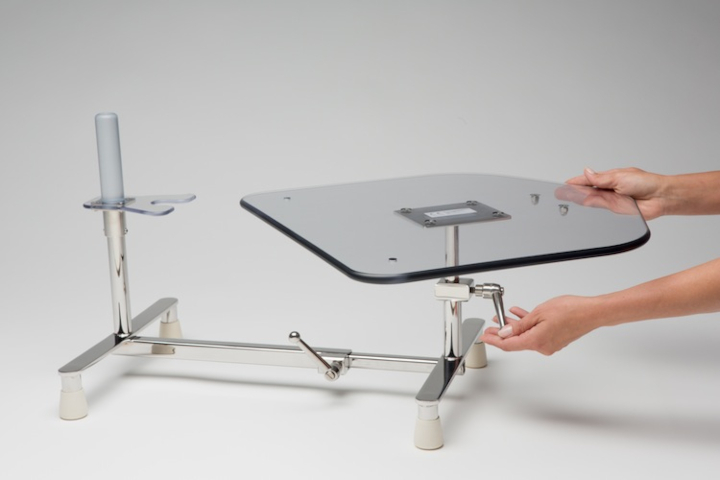
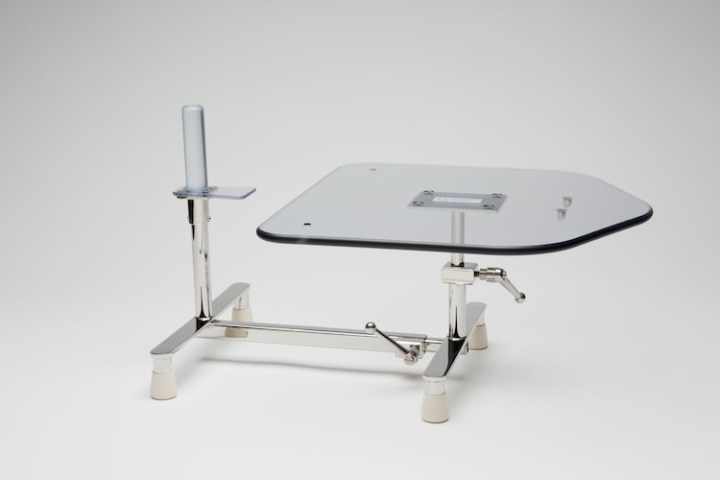
Creating a designated area for your child is the first step. Choose a spot where they can relax, play, and rest without needing to move frequently. Use pillows or foam wedges to support their legs and back while ensuring they stay in the recommended position. This setup helps prevent discomfort and minimizes the risk of pressure sores. Having a hip spica cast care table nearby will make caregiving tasks, such as feeding or changing diapers, much easier.

2. Invest in the Right Equipment

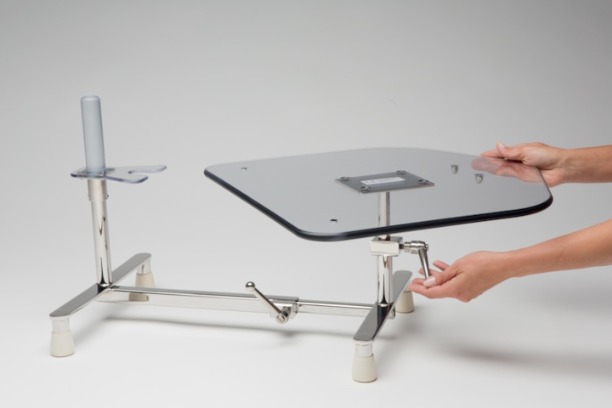
Having the appropriate tools and equipment is key to making daily activities manageable. A spica table pediatric equipment is a lifesaver for both you and your child. It provides a secure and convenient surface for meals, playtime, or homework while accommodating the cast’s shape and size.

Additionally, consider getting a specialized car seat or stroller designed for children in spica casts. These items help with safe transportation, ensuring that your child remains comfortable and properly supported during trips outside the home.

3. Prioritize Hygiene and Cleanliness

Maintaining hygiene can be tricky with a spica cast, but it’s crucial to prevent infections or skin irritations. Use damp washcloths to clean exposed skin around the cast and keep the cast itself dry at all times. If your child wears diapers, line the edges of the cast with waterproof padding to avoid soiling it.

For older children, a hip spica cast care table can make hygiene routines like handwashing or face cleaning more accessible and less stressful. Keep hygiene supplies, such as baby wipes, dry shampoo, and clean towels, within reach for quick touch-ups.

4. Support Your Child’s Mobility and Comfort

Though their movement is limited, your child will still need to shift positions throughout the day. Gently reposition them every few hours to prevent stiffness, discomfort, and pressure sores. Encourage activities they can do while staying still, like drawing, reading, or watching their favorite shows.

Using spica table pediatric equipment can also enhance their comfort and engagement. These tables are designed to accommodate their specific needs, making activities more enjoyable and reducing the likelihood of frustration or boredom.

5. Monitor for Warning Signs

It’s important to regularly check for any signs of complications, such as swelling, discoloration, or unusual odors coming from the cast. If your child complains of pain or itching, investigate the cause and consult your healthcare provider if needed.

Be especially vigilant about their skin’s condition around the cast edges. Applying soft padding or using cast-friendly creams can help protect their skin and prevent irritation.

6. Stay Organized for Appointments and Follow-Ups

Keeping track of doctor visits, cast care instructions, and your child’s progress is essential. Use a planner or digital calendar to stay on top of follow-ups and note any questions you want to ask during appointments.

During these visits, bring up any challenges you’re facing at home. Whether it’s feeding, hygiene, or positioning, your healthcare team can provide tailored advice. If you’re not already using a hip spica cast care table, ask your doctor if this equipment could improve your caregiving experience.

Final Thoughts

Caring for a child in a hip spica cast requires patience, creativity, and the right tools. From setting up a comfortable recovery space to using specialized equipment like spica table pediatric equipment or a hip spica cast care table, small changes can make a big difference in both your child’s recovery and your caregiving experience.

By staying attentive, organized, and supportive, you can help your child navigate this period with ease and set them on the path to a full recovery. Remember, every step you take to ensure their comfort and well-being brings them closer to returning to their normal, active self.


Essential Tips for Caring for Children with Hip Casts at Home

760.9k
2025-01-22 23:20:37

When your child is fitted with a hip spica cast, adjusting to life at home can seem daunting at first. These casts are vital for healing after surgeries or fractures, but they also come with unique challenges. As a caregiver, you play a significant role in ensuring your child’s comfort and maintaining their overall well-being during recovery. Here are some essential tips to help you navigate this journey and make the process as smooth as possible.


1. Set Up a Comfortable Recovery Space

Creating a designated area for your child is the first step. Choose a spot where they can relax, play, and rest without needing to move frequently. Use pillows or foam wedges to support their legs and back while ensuring they stay in the recommended position. This setup helps prevent discomfort and minimizes the risk of pressure sores. Having a hip spica cast care table nearby will make caregiving tasks, such as feeding or changing diapers, much easier.

2. Invest in the Right Equipment

Having the appropriate tools and equipment is key to making daily activities manageable. A spica table pediatric equipment is a lifesaver for both you and your child. It provides a secure and convenient surface for meals, playtime, or homework while accommodating the cast’s shape and size.

Additionally, consider getting a specialized car seat or stroller designed for children in spica casts. These items help with safe transportation, ensuring that your child remains comfortable and properly supported during trips outside the home.

3. Prioritize Hygiene and Cleanliness

Maintaining hygiene can be tricky with a spica cast, but it’s crucial to prevent infections or skin irritations. Use damp washcloths to clean exposed skin around the cast and keep the cast itself dry at all times. If your child wears diapers, line the edges of the cast with waterproof padding to avoid soiling it.

For older children, a hip spica cast care table can make hygiene routines like handwashing or face cleaning more accessible and less stressful. Keep hygiene supplies, such as baby wipes, dry shampoo, and clean towels, within reach for quick touch-ups.

4. Support Your Child’s Mobility and Comfort

Though their movement is limited, your child will still need to shift positions throughout the day. Gently reposition them every few hours to prevent stiffness, discomfort, and pressure sores. Encourage activities they can do while staying still, like drawing, reading, or watching their favorite shows.

Using spica table pediatric equipment can also enhance their comfort and engagement. These tables are designed to accommodate their specific needs, making activities more enjoyable and reducing the likelihood of frustration or boredom.

5. Monitor for Warning Signs

It’s important to regularly check for any signs of complications, such as swelling, discoloration, or unusual odors coming from the cast. If your child complains of pain or itching, investigate the cause and consult your healthcare provider if needed.

Be especially vigilant about their skin’s condition around the cast edges. Applying soft padding or using cast-friendly creams can help protect their skin and prevent irritation.

6. Stay Organized for Appointments and Follow-Ups

Keeping track of doctor visits, cast care instructions, and your child’s progress is essential. Use a planner or digital calendar to stay on top of follow-ups and note any questions you want to ask during appointments.

During these visits, bring up any challenges you’re facing at home. Whether it’s feeding, hygiene, or positioning, your healthcare team can provide tailored advice. If you’re not already using a hip spica cast care table, ask your doctor if this equipment could improve your caregiving experience.

Final Thoughts

Caring for a child in a hip spica cast requires patience, creativity, and the right tools. From setting up a comfortable recovery space to using specialized equipment like spica table pediatric equipment or a hip spica cast care table, small changes can make a big difference in both your child’s recovery and your caregiving experience.

By staying attentive, organized, and supportive, you can help your child navigate this period with ease and set them on the path to a full recovery. Remember, every step you take to ensure their comfort and well-being brings them closer to returning to their normal, active self.


Comments

Recommended

The Importance of Spica Cast Positioning Tables in Medical Care
VIPON_161713874505
647.7k
Caring for a Child with a Hip Spica Cast: A Practical Guide
VIPON_161713874505
633.2k
Spica Cast Chair Table Solutions for Safe and Comfortable Use
VIPON_161713874505
654.9k
Download Vipon App to get great deals now!
...
Amazon Coupons Loading…