Exclusive
To get our best deals and discounts Subscribe Below!
Continue As A Guest
Continue As A Guest
Updata
Hey! Thank you so much for your support and quality posts for V Show!
And congratulations on becoming our Vipon Associated Editor.
From now on, in addition to getting 10 points for each post (up to 30 points daily), we will regularly review each of your articles, and each approved article (tagged with Featured label) will be paid an additional $50.
Note: Not all articles you posted will get $50, only those that meet our requirements will be paid, and articles or contents that do not meet the requirements will be removed.
Please continue to produce high quality content for organic likes. Our shoppers love seeing your stories & posts!
Congratulations! Your V SHOW post Planting Tips has become our Featured content, we will pay $50 for this post. Please check on your balance. Please continue to produce high quality original content!

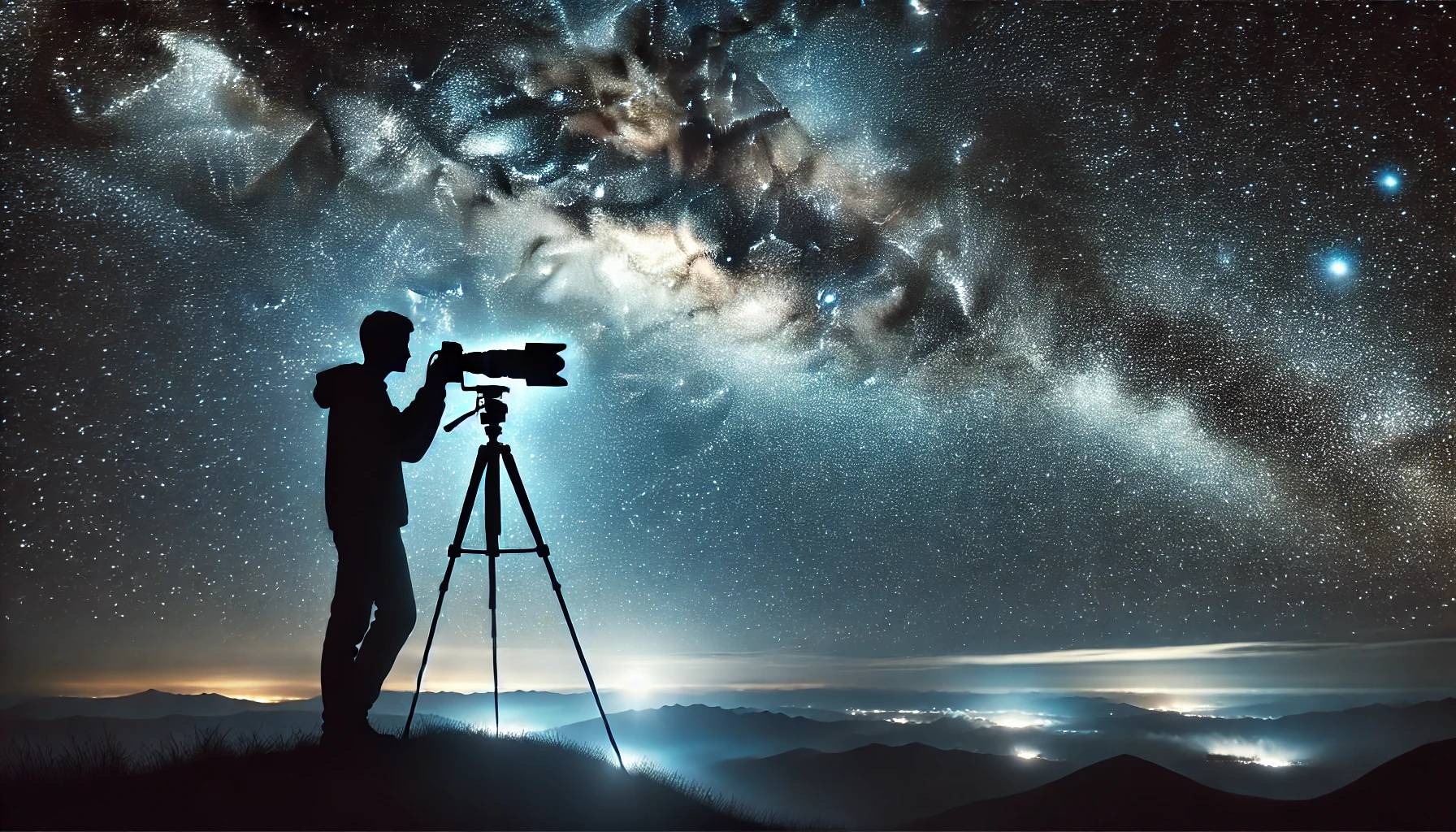
Capturing the vast beauty of the night sky is a dream for many photographers. And guess what? You don’t need a telescope to do it! A 24mm F1.8 lens can be a fantastic tool for astrophotography, offering a wide field of view and excellent low-light performance. But how do you get the most out of it? Let’s dive into some essential tips and techniques!
Before jumping into the nitty-gritty, let’s understand why a 24mm F1.8 lens is a great pick for astrophotography.
Wide Field of View – The 24mm focal length captures expansive portions of the night sky, making it perfect for Milky Way shots and star trails.
Fast Aperture – With an F1.8 aperture, your lens can gather more light, crucial for revealing faint stars and celestial details.
Minimal Distortion – Unlike ultra-wide lenses, 24mm keeps distortion under control, ensuring natural-looking stars.
Great for Landscapes & Stars – This lens balances foreground elements with the night sky beautifully.
Now that we know why it’s a solid choice, let’s talk about how to get the best results!
Shooting in your backyard under city lights? Not ideal. Light pollution can ruin astrophotography. Instead, find a dark-sky location away from urban areas. Use apps like Light Pollution Map to locate the best spots.
Look for places with interesting foreground elements—mountains, trees, or old buildings—to add depth to your night sky shots.
Your lens is powerful, but without the right settings, your shots won’t shine. Here’s what you should aim for:
Use the 500 Rule: Divide 500 by your focal length to determine the longest shutter speed before star trails appear.
Example: 500 / 24mm ≈ 20 seconds (Max shutter speed before stars start to blur)
Shoot wide open at F1.8 to let in the most light.
Start with ISO 3200-6400, adjusting based on brightness and noise levels.
Switch to manual focus and use Live View to focus on a bright star.
A stable setup is non-negotiable in astrophotography. Here’s how you can ensure shake-free shots:
Use a sturdy tripod – Even minor vibrations can blur stars.
Enable a 2-second timer or remote shutter release – This prevents camera shake from pressing the shutter button.
Turn off image stabilization – Your camera assumes movement and tries to correct it, causing blur.
A great astrophotograph isn’t just about stars—it’s about storytelling. Here’s how to make your shots compelling:
Rule of Thirds: Position the horizon or foreground elements strategically.
Lead with Lines: Rivers, roads, or tree lines can guide the viewer’s eye to the sky.
Silhouettes and Shadows: Use interesting land features to create depth.
A 24mm F1.8 lens is perfect for balancing the landscape with the sky—use it to your advantage!
Shooting in RAW? Smart move! It gives you more flexibility in editing. Here’s how to enhance your shots:
Adjust White Balance – Night skies can appear too warm or cool. Find a natural look.
Boost Contrast & Clarity – This makes stars pop.
Reduce Noise – High ISO introduces noise, so fine-tune with noise reduction tools.
Stack Images – Software like DeepSkyStacker can reduce noise and enhance details.
Want to create stunning circular star trails? Try this:
Use a lower ISO (800-1600)
Set a longer exposure (30 sec - several minutes)
Stack multiple images using software like StarStaX
Timing is everything in astrophotography. Plan your shoot around:
New Moon – Avoid the bright moon, which can wash out stars.
Golden & Blue Hours – Capture the transition from day to night.
Milky Way Season – Best seen from March to October, depending on your location.
A 24mm F1.8 lens is fantastic, but having the right accessories helps:
Tripod – Sturdy and lightweight.
Headlamp with red light – Helps you see without ruining night vision.
Lens Heater or Hand Warmers – Prevents fogging in cold conditions.
Star Tracking Mount – If you want to dive deeper into astrophotography.
Looking for a reliable 24mm lens? Check out LK Samyang for high-quality lenses perfect for astrophotography!
Shooting astrophotography with a 24mm F1.8 lens is both an art and a science. From finding dark skies to mastering camera settings, every step enhances your chances of capturing breathtaking nightscapes. But the real magic? It happens when you experiment, learn from your shots, and enjoy the process.
Ready to take your photography to the next level? Check out The Rise of Cine Lenses in Photography for insights on cinematic lenses and their impact on modern photography!
Now, go out and chase the stars!

Capturing the vast beauty of the night sky is a dream for many photographers. And guess what? You don’t need a telescope to do it! A 24mm F1.8 lens can be a fantastic tool for astrophotography, offering a wide field of view and excellent low-light performance. But how do you get the most out of it? Let’s dive into some essential tips and techniques!
Before jumping into the nitty-gritty, let’s understand why a 24mm F1.8 lens is a great pick for astrophotography.
Wide Field of View – The 24mm focal length captures expansive portions of the night sky, making it perfect for Milky Way shots and star trails.
Fast Aperture – With an F1.8 aperture, your lens can gather more light, crucial for revealing faint stars and celestial details.
Minimal Distortion – Unlike ultra-wide lenses, 24mm keeps distortion under control, ensuring natural-looking stars.
Great for Landscapes & Stars – This lens balances foreground elements with the night sky beautifully.
Now that we know why it’s a solid choice, let’s talk about how to get the best results!
Shooting in your backyard under city lights? Not ideal. Light pollution can ruin astrophotography. Instead, find a dark-sky location away from urban areas. Use apps like Light Pollution Map to locate the best spots.
Look for places with interesting foreground elements—mountains, trees, or old buildings—to add depth to your night sky shots.
Your lens is powerful, but without the right settings, your shots won’t shine. Here’s what you should aim for:
Use the 500 Rule: Divide 500 by your focal length to determine the longest shutter speed before star trails appear.
Example: 500 / 24mm ≈ 20 seconds (Max shutter speed before stars start to blur)
Shoot wide open at F1.8 to let in the most light.
Start with ISO 3200-6400, adjusting based on brightness and noise levels.
Switch to manual focus and use Live View to focus on a bright star.
A stable setup is non-negotiable in astrophotography. Here’s how you can ensure shake-free shots:
Use a sturdy tripod – Even minor vibrations can blur stars.
Enable a 2-second timer or remote shutter release – This prevents camera shake from pressing the shutter button.
Turn off image stabilization – Your camera assumes movement and tries to correct it, causing blur.
A great astrophotograph isn’t just about stars—it’s about storytelling. Here’s how to make your shots compelling:
Rule of Thirds: Position the horizon or foreground elements strategically.
Lead with Lines: Rivers, roads, or tree lines can guide the viewer’s eye to the sky.
Silhouettes and Shadows: Use interesting land features to create depth.
A 24mm F1.8 lens is perfect for balancing the landscape with the sky—use it to your advantage!
Shooting in RAW? Smart move! It gives you more flexibility in editing. Here’s how to enhance your shots:
Adjust White Balance – Night skies can appear too warm or cool. Find a natural look.
Boost Contrast & Clarity – This makes stars pop.
Reduce Noise – High ISO introduces noise, so fine-tune with noise reduction tools.
Stack Images – Software like DeepSkyStacker can reduce noise and enhance details.
Want to create stunning circular star trails? Try this:
Use a lower ISO (800-1600)
Set a longer exposure (30 sec - several minutes)
Stack multiple images using software like StarStaX
Timing is everything in astrophotography. Plan your shoot around:
New Moon – Avoid the bright moon, which can wash out stars.
Golden & Blue Hours – Capture the transition from day to night.
Milky Way Season – Best seen from March to October, depending on your location.
A 24mm F1.8 lens is fantastic, but having the right accessories helps:
Tripod – Sturdy and lightweight.
Headlamp with red light – Helps you see without ruining night vision.
Lens Heater or Hand Warmers – Prevents fogging in cold conditions.
Star Tracking Mount – If you want to dive deeper into astrophotography.
Looking for a reliable 24mm lens? Check out LK Samyang for high-quality lenses perfect for astrophotography!
Shooting astrophotography with a 24mm F1.8 lens is both an art and a science. From finding dark skies to mastering camera settings, every step enhances your chances of capturing breathtaking nightscapes. But the real magic? It happens when you experiment, learn from your shots, and enjoy the process.
Ready to take your photography to the next level? Check out The Rise of Cine Lenses in Photography for insights on cinematic lenses and their impact on modern photography!
Now, go out and chase the stars!
Are you sure you want to stop following?
Loading…
Congrats! You are now a member!
Start requesting vouchers for promo codes by clicking the Request Deal buttons on products you want.
Sellers of Amazon products are required to sign in at www.amztracker.com
More information about placing your products on this site can be found here.
Are you having problems purchasing a product with the supplied voucher? If so, please contact the seller via the supplied email.
Also, please be patient. Sellers are pretty busy people and it can take awhile to respond to your emails.
After 2 days of receiving a voucher you can report the seller to us (using the same button) if you cannot resolve this issue with the seller.
For more information click here.
We have taken note and will also convey the problems to the seller on your behalf.
Usually the seller will rectify it soon, we suggest now you can remove this request from your dashboard and choose another deal.
If you love this deal most, we suggest you can try to request this deal after 2 days.
This will mark the product as purchased. The voucher will be permanently removed from your dashboard shortly after. Are you sure?
You are essentially competing with a whole lot of other buyers when requesting to purchase a product. The seller only has a limited amount of vouchers to give out too.
Select All Groups
✕
Adult Products
Arts, Crafts & Sewing
Automotive & Industrial
Beauty & Grooming
Cell Phones & Accessories
Electronics & Office
Health & Household
Home & Garden
Jewelry
Kitchen & Dining
Men's Clothing & Shoes
Pet Supplies
Sports & Outdoors
Toys, Kids & Baby
Watches
Women's Clothing & Shoes
Other
Adult Products
©Copyright 2026 Vipon All Right Reserved · Privacy Policy · Terms of Service · Do Not Sell My Personal Information
Certain content in this page comes from Amazon. The content is provided as is, and is subject
to change or removal at
any time. Amazon and the Amazon logo are trademarks of Amazon.com,
Inc. or its affiliates.
Comments