Exclusive
To get our best deals and discounts Subscribe Below!
Continue As A Guest
Continue As A Guest
Updata
Hey! Thank you so much for your support and quality posts for V Show!
And congratulations on becoming our Vipon Associated Editor.
From now on, in addition to getting 10 points for each post (up to 30 points daily), we will regularly review each of your articles, and each approved article (tagged with Featured label) will be paid an additional $50.
Note: Not all articles you posted will get $50, only those that meet our requirements will be paid, and articles or contents that do not meet the requirements will be removed.
Please continue to produce high quality content for organic likes. Our shoppers love seeing your stories & posts!
Congratulations! Your V SHOW post Planting Tips has become our Featured content, we will pay $50 for this post. Please check on your balance. Please continue to produce high quality original content!
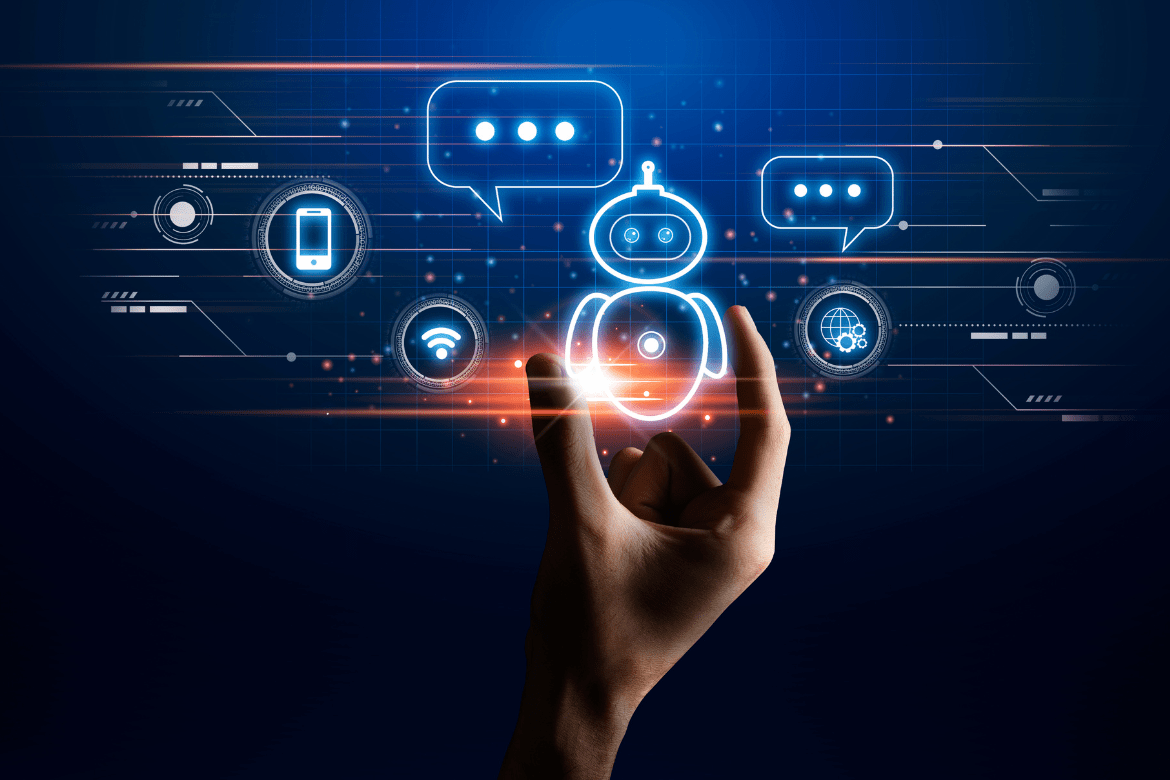
The rise of e-commerce has transformed the way businesses interact with customers, creating a demand for seamless, efficient, and round-the-clock support. In response to this, AI-powered chatbots have emerged as an essential tool for online retailers, helping businesses enhance customer service and optimize marketing efforts. These chatbots provide instant assistance, personalize shopping experiences, and streamline business operations, making them indispensable in modern e-commerce.
As AI technology continues to evolve, chatbots are becoming more sophisticated, offering real-time communication, predictive analytics, and human-like interactions. This blog explores how AI chatbots are reshaping customer service and marketing in the e-commerce industry, highlighting their benefits, challenges, and future potential.
Chatbots have evolved significantly since their inception, transitioning from basic scripted responses to AI-driven conversational agents. Early chatbot implementations relied on pre-programmed responses, limiting their ability to handle dynamic queries. However, advancements in Natural Language Processing (NLP) and machine learning have enabled AI chatbots to understand context, learn from interactions, and deliver personalized responses.
Today’s AI chatbots integrate with various e-commerce platforms, social media, and customer relationship management (CRM) systems, enabling businesses to provide a seamless shopping experience. With capabilities such as voice recognition, multilingual support, and predictive analytics, AI chatbots have become a crucial component of e-commerce success.
Customer service plays a vital role in e-commerce, influencing customer satisfaction, retention, and brand loyalty. AI chatbots improve customer support by offering instant responses, resolving common issues, and automating repetitive tasks. Here’s how AI chatbots enhance customer service in e-commerce:
Unlike human agents who have limited working hours, AI chatbots provide round-the-clock support, ensuring customers receive assistance anytime they need it. This availability enhances customer satisfaction and reduces frustration caused by long wait times.
AI chatbots can efficiently handle frequently asked questions (FAQs) related to product availability, shipping, return policies, and payment options. By automating responses to common queries, businesses can reduce the workload on human agents and focus on complex customer issues.
One of the biggest challenges in customer service is minimizing response times. AI chatbots process customer inquiries instantly, providing quick solutions without long delays. This efficiency improves user experience and boosts customer retention rates.
E-commerce businesses cater to a global audience, making multilingual support essential. AI chatbots can communicate in multiple languages, breaking down language barriers and ensuring seamless interactions with international customers.
By analyzing customer data and past interactions, AI chatbots can personalize conversations, recommend products, and tailor responses to individual preferences. Personalization enhances engagement, builds customer trust, and increases conversion rates.
Marketing is another area where AI chatbots have a significant impact. By leveraging AI-driven insights, chatbots help businesses engage customers, drive sales, and improve marketing campaigns. AI-powered chatbots are not only transforming marketing but also enhancing business communication by integrating with AI-powered call intelligence solutions, which help companies analyze customer interactions and improve engagement strategies. Here’s how AI chatbots contribute to e-commerce marketing:
AI chatbots analyze customer behavior, purchase history, and browsing patterns to suggest relevant products. By offering personalized recommendations, businesses can increase average order value and improve customer satisfaction.
Chatbots can identify potential customers by analyzing user interactions and qualifying leads. With features like batch append, they can efficiently gather and update contact information in bulk, ensuring businesses have accurate data. By collecting preferences and relevant details, chatbots help businesses nurture leads and convert them into paying customers.
Cart abandonment is a common challenge in e-commerce. AI chatbots can send automated reminders, offer discounts, and provide assistance to encourage customers to complete their purchases. This proactive approach helps businesses recover lost sales and improve revenue.
Many customers engage with brands through social media platforms like Facebook, Instagram, and WhatsApp. AI-powered chatbots enable businesses to interact with customers on these platforms, answer queries, and promote products, enhancing social media marketing efforts.
AI chatbots use data-driven insights to suggest complementary products or higher-value alternatives. By strategically upselling and cross-selling, businesses can increase sales and maximize customer lifetime value.
The integration of AI chatbots in e-commerce offers numerous advantages, including:
By automating customer support and marketing tasks, AI chatbots reduce the need for large customer service teams, saving businesses significant operational costs.
AI chatbots can handle thousands of customer interactions simultaneously, allowing businesses to scale their customer service efforts without hiring additional staff.
Chatbots collect valuable customer data, providing businesses with insights into buying patterns, preferences, and pain points. By analyzing this data, businesses can better understand the customer journey, allowing them to optimize marketing strategies and enhance the overall customer experience.
By providing instant responses, personalized recommendations, and proactive support, AI chatbots enhance customer experience, leading to higher satisfaction and retention rates.
Despite their advantages, AI chatbots face some challenges and limitations:
While AI chatbots can simulate human conversations, they lack emotional intelligence and empathy, which can affect customer interactions in sensitive situations.
AI chatbots may struggle to understand complex or ambiguous queries, leading to incorrect responses. Businesses must ensure their chatbots are well-trained and regularly updated.
Implementing AI chatbots requires integration with existing e-commerce platforms, CRM systems, and payment gateways. Businesses must ensure seamless connectivity for a smooth customer experience.
Some customers prefer human interactions over AI-driven assistance. Businesses should provide an option to escalate chatbot conversations to human agents when needed.
As AI technology advances, the role of chatbots in e-commerce will continue to evolve. Here are some trends shaping the future of AI chatbots:
Future AI chatbots will become more conversational and human-like, improving their ability to understand and respond to customer queries accurately.
The rise of voice commerce will see AI chatbots integrated with voice assistants like Alexa and Google Assistant, enabling voice-driven shopping experiences.
AI chatbots will leverage real-time data to deliver hyper-personalized shopping experiences, offering tailored product recommendations and promotions based on specific consumer interests, whether they're searching for high-end electronics or tiny homes for sale in Idaho.
Augmented reality (AR) and AI chatbots will merge to provide immersive shopping experiences, allowing customers to visualize products in real-world settings.
AI chatbots have become an essential component of e-commerce, revolutionizing customer service and marketing. By providing instant support, personalized recommendations, and automated marketing solutions, chatbots enhance the online shopping experience and drive business growth.
While challenges remain, ongoing advancements in AI and machine learning will make chatbots even more intelligent and capable. As businesses continue to embrace AI-powered solutions, chatbots will play an even greater role in shaping the future of e-commerce.
The key to success lies in leveraging AI chatbots strategically—combining automation with human oversight to deliver a seamless, customer-centric experience. Businesses that invest in AI chatbots today will be well-positioned to stay ahead in the competitive e-commerce landscape.
The rise of e-commerce has transformed the way businesses interact with customers, creating a demand for seamless, efficient, and round-the-clock support. In response to this, AI-powered chatbots have emerged as an essential tool for online retailers, helping businesses enhance customer service and optimize marketing efforts. These chatbots provide instant assistance, personalize shopping experiences, and streamline business operations, making them indispensable in modern e-commerce.
As AI technology continues to evolve, chatbots are becoming more sophisticated, offering real-time communication, predictive analytics, and human-like interactions. This blog explores how AI chatbots are reshaping customer service and marketing in the e-commerce industry, highlighting their benefits, challenges, and future potential.
Chatbots have evolved significantly since their inception, transitioning from basic scripted responses to AI-driven conversational agents. Early chatbot implementations relied on pre-programmed responses, limiting their ability to handle dynamic queries. However, advancements in Natural Language Processing (NLP) and machine learning have enabled AI chatbots to understand context, learn from interactions, and deliver personalized responses.
Today’s AI chatbots integrate with various e-commerce platforms, social media, and customer relationship management (CRM) systems, enabling businesses to provide a seamless shopping experience. With capabilities such as voice recognition, multilingual support, and predictive analytics, AI chatbots have become a crucial component of e-commerce success.
Customer service plays a vital role in e-commerce, influencing customer satisfaction, retention, and brand loyalty. AI chatbots improve customer support by offering instant responses, resolving common issues, and automating repetitive tasks. Here’s how AI chatbots enhance customer service in e-commerce:
Unlike human agents who have limited working hours, AI chatbots provide round-the-clock support, ensuring customers receive assistance anytime they need it. This availability enhances customer satisfaction and reduces frustration caused by long wait times.
AI chatbots can efficiently handle frequently asked questions (FAQs) related to product availability, shipping, return policies, and payment options. By automating responses to common queries, businesses can reduce the workload on human agents and focus on complex customer issues.
One of the biggest challenges in customer service is minimizing response times. AI chatbots process customer inquiries instantly, providing quick solutions without long delays. This efficiency improves user experience and boosts customer retention rates.
E-commerce businesses cater to a global audience, making multilingual support essential. AI chatbots can communicate in multiple languages, breaking down language barriers and ensuring seamless interactions with international customers.
By analyzing customer data and past interactions, AI chatbots can personalize conversations, recommend products, and tailor responses to individual preferences. Personalization enhances engagement, builds customer trust, and increases conversion rates.
Marketing is another area where AI chatbots have a significant impact. By leveraging AI-driven insights, chatbots help businesses engage customers, drive sales, and improve marketing campaigns. AI-powered chatbots are not only transforming marketing but also enhancing business communication by integrating with AI-powered call intelligence solutions, which help companies analyze customer interactions and improve engagement strategies. Here’s how AI chatbots contribute to e-commerce marketing:
AI chatbots analyze customer behavior, purchase history, and browsing patterns to suggest relevant products. By offering personalized recommendations, businesses can increase average order value and improve customer satisfaction.
Chatbots can identify potential customers by analyzing user interactions and qualifying leads. With features like batch append, they can efficiently gather and update contact information in bulk, ensuring businesses have accurate data. By collecting preferences and relevant details, chatbots help businesses nurture leads and convert them into paying customers.
Cart abandonment is a common challenge in e-commerce. AI chatbots can send automated reminders, offer discounts, and provide assistance to encourage customers to complete their purchases. This proactive approach helps businesses recover lost sales and improve revenue.
Many customers engage with brands through social media platforms like Facebook, Instagram, and WhatsApp. AI-powered chatbots enable businesses to interact with customers on these platforms, answer queries, and promote products, enhancing social media marketing efforts.
AI chatbots use data-driven insights to suggest complementary products or higher-value alternatives. By strategically upselling and cross-selling, businesses can increase sales and maximize customer lifetime value.
The integration of AI chatbots in e-commerce offers numerous advantages, including:
By automating customer support and marketing tasks, AI chatbots reduce the need for large customer service teams, saving businesses significant operational costs.
AI chatbots can handle thousands of customer interactions simultaneously, allowing businesses to scale their customer service efforts without hiring additional staff.
Chatbots collect valuable customer data, providing businesses with insights into buying patterns, preferences, and pain points. By analyzing this data, businesses can better understand the customer journey, allowing them to optimize marketing strategies and enhance the overall customer experience.
By providing instant responses, personalized recommendations, and proactive support, AI chatbots enhance customer experience, leading to higher satisfaction and retention rates.
Despite their advantages, AI chatbots face some challenges and limitations:
While AI chatbots can simulate human conversations, they lack emotional intelligence and empathy, which can affect customer interactions in sensitive situations.
AI chatbots may struggle to understand complex or ambiguous queries, leading to incorrect responses. Businesses must ensure their chatbots are well-trained and regularly updated.
Implementing AI chatbots requires integration with existing e-commerce platforms, CRM systems, and payment gateways. Businesses must ensure seamless connectivity for a smooth customer experience.
Some customers prefer human interactions over AI-driven assistance. Businesses should provide an option to escalate chatbot conversations to human agents when needed.
As AI technology advances, the role of chatbots in e-commerce will continue to evolve. Here are some trends shaping the future of AI chatbots:
Future AI chatbots will become more conversational and human-like, improving their ability to understand and respond to customer queries accurately.
The rise of voice commerce will see AI chatbots integrated with voice assistants like Alexa and Google Assistant, enabling voice-driven shopping experiences.
AI chatbots will leverage real-time data to deliver hyper-personalized shopping experiences, offering tailored product recommendations and promotions based on specific consumer interests, whether they're searching for high-end electronics or tiny homes for sale in Idaho.
Augmented reality (AR) and AI chatbots will merge to provide immersive shopping experiences, allowing customers to visualize products in real-world settings.
AI chatbots have become an essential component of e-commerce, revolutionizing customer service and marketing. By providing instant support, personalized recommendations, and automated marketing solutions, chatbots enhance the online shopping experience and drive business growth.
While challenges remain, ongoing advancements in AI and machine learning will make chatbots even more intelligent and capable. As businesses continue to embrace AI-powered solutions, chatbots will play an even greater role in shaping the future of e-commerce.
The key to success lies in leveraging AI chatbots strategically—combining automation with human oversight to deliver a seamless, customer-centric experience. Businesses that invest in AI chatbots today will be well-positioned to stay ahead in the competitive e-commerce landscape.
Are you sure you want to stop following?
Loading…
Congrats! You are now a member!
Start requesting vouchers for promo codes by clicking the Request Deal buttons on products you want.
Sellers of Amazon products are required to sign in at www.amztracker.com
More information about placing your products on this site can be found here.
Are you having problems purchasing a product with the supplied voucher? If so, please contact the seller via the supplied email.
Also, please be patient. Sellers are pretty busy people and it can take awhile to respond to your emails.
After 2 days of receiving a voucher you can report the seller to us (using the same button) if you cannot resolve this issue with the seller.
For more information click here.
We have taken note and will also convey the problems to the seller on your behalf.
Usually the seller will rectify it soon, we suggest now you can remove this request from your dashboard and choose another deal.
If you love this deal most, we suggest you can try to request this deal after 2 days.
This will mark the product as purchased. The voucher will be permanently removed from your dashboard shortly after. Are you sure?
You are essentially competing with a whole lot of other buyers when requesting to purchase a product. The seller only has a limited amount of vouchers to give out too.
Select All Groups
✕
Adult Products
Arts, Crafts & Sewing
Automotive & Industrial
Beauty & Grooming
Cell Phones & Accessories
Electronics & Office
Health & Household
Home & Garden
Jewelry
Kitchen & Dining
Men's Clothing & Shoes
Pet Supplies
Sports & Outdoors
Toys, Kids & Baby
Watches
Women's Clothing & Shoes
Other
Adult Products
©Copyright 2026 Vipon All Right Reserved · Privacy Policy · Terms of Service · Do Not Sell My Personal Information
Certain content in this page comes from Amazon. The content is provided as is, and is subject
to change or removal at
any time. Amazon and the Amazon logo are trademarks of Amazon.com,
Inc. or its affiliates.
Comments