Exclusive
To get our best deals and discounts Subscribe Below!
Continue As A Guest
Continue As A Guest
Updata
Hey! Thank you so much for your support and quality posts for V Show!
And congratulations on becoming our Vipon Associated Editor.
From now on, in addition to getting 10 points for each post (up to 30 points daily), we will regularly review each of your articles, and each approved article (tagged with Featured label) will be paid an additional $50.
Note: Not all articles you posted will get $50, only those that meet our requirements will be paid, and articles or contents that do not meet the requirements will be removed.
Please continue to produce high quality content for organic likes. Our shoppers love seeing your stories & posts!
Congratulations! Your V SHOW post Planting Tips has become our Featured content, we will pay $50 for this post. Please check on your balance. Please continue to produce high quality original content!

Most of the pacing issues that we encounter in our daily life come from the options that we have when we want to administer an efficient dosage of time to the things that are positive for us. Sometimes, this positive value comes from doing something that takes the pressure off our psyche.
This is where the value of games comes in. We’re talking about games in general, not just those that you grind in or those that give you instant results. Adopting games as a proper pastime is a method of adjusting one’s management of time span based on what their time resources are.
For many of us, time’s preciousness turns it into a resource that requires increased efficiency. The relaxation and engagement factor ought to work symbiotically in such a way that it gives us the satisfaction that we seek without asking us to make sacrifices. Longer games may be fitting for weekends, while fast, casual titles are good for intermissions within a busy schedule.
In this article, we will provide a bit of a guide on the nature of the so-called hypercasual games. You may know them as those mobile options that you see all kinds of people dabble in during lunch breaks, commutes, or as a bit of fun before going to sleep. As we will see here, there’s still a tremendous market for them, and their ability to generate engagement creates a very high demand for what they can provide.
While there may not be a direct definition of this genre, hypercasual, instant, or fast games are entertainment formats that put their highest emphasis on quickness and instant gratification. While narrative structuring and lush design are some of the most celebrated traits of video games, it doesn’t mean that they’re the only ones worthy of respect.
After all, the main purpose of a video game is to entertain its users. It can do so because of its overall model, its graphics, its narrative values, or just because of the gratification factor that it provides with its mechanics. Games should be worth what you, the player, invest in them.
Photo by Jonathan Kemper on Unsplash
Hypercasual games are those that focus on the briefness of their experience. However, the secret comes from the incredibly high gratification level that you get relative to how much you play. Receiving the option to invest only a few minutes and feel like striving toward a purpose can generate a lot of satisfaction.
Moreover, this philosophy of game design makes it so that it doesn’t necessarily fit into a genre. They also imply structural simplicity, which opens the door for a myriad of developers to pitch their product on the market, creating a wealth of options for users of any type of taste.
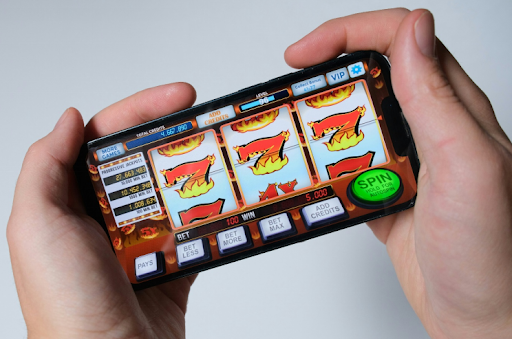
Puzzle games are a roar in this sector, just as much as clickers, idle tycoon-style options, or the gacha model. Moreover, the liberalization of online gambling has brought slots to the mix. The latter example alone brings more than 20,000 titles to the mix, per the slotscalendar database of slot games.
As such, the model of hypergames has a very loose definition, is very inviting, and simply requires a cool model that attracts audiences with their mechanisms and gratification offering.
Now, the idea of demographic fit opens the door for an immense number of possible variations. Since the carte blanche principle invites as many entries into this market as possible, targeted options are a very understandable outcome. However, doing so with broad strokes can turn them into all-conquering options.
Let’s examine how the model fits each primary type of demographics.
● Children and teenagers who are in the school system have breaks during which they can harness such hypercasual games. Naturally, we would like these children to socialize and make steps toward being functional members of a community. If the game also provides a social element, such as multiplayer or leaderboards, it can be an entry point into socializing endeavors.
● Once they enter the workforce and adapt to the job market, young adults are at the front line of workers who are familiar enough with games to use them as a quick break. Moreover, waiting times for loading processes, lunch breaks, or commutes feel like excellent occasions to enter such a game, check in, play a bit, and then move to the next part of their daily schedule.
● The simplicity and ease of adaptation make older adults and the senior demographic find these games more feasible. Since they don’t require hard or complicated controls, they feel easier to adopt from the jump. Moreover, some of these games are memory trainers in a way, especially puzzles, which provide cognitive advantages by giving them a quick mental activity when their schedule does not require it.
Psychology will always be at the core of game design, especially through its narrative value. Once game developers get a hold of the data that they may need in order to set their priorities straight, they need to decide what kind of hook they need to provide in their gaming model.
Photo by Kelly Sikkema on Unsplash
On the one hand, the lack of a built-in commitment is a great advantage. The lack of pressure, which is a clear possibility when the structure of a game requires time investments, helps prospective players find value in hypercasual games. They allow the player to have a sense of agency over the pacing and duration of the gaming sessions without instilling the anxiety of diminished returns or missing out.
On the other hand, their mobile accessibility makes them feel accessible from all kinds of viewpoints, including a psychological one. In many cases, the concept of gaming, especially hardcore gaming, pushes away many would-be consumers because of implications like required hardware. For example, the rising cost of gaming consoles and the overall hardship of acquiring (or building) PCs worth gaming on push away potential gamers.
If the market sector wants casual gaming, the realization that gaming can be cheap, accessible, and fun, all while enjoying it on the device they use daily, provides a sense of relief that invites curiosity and experimentation.
Lastly, we would like to mention the power of instant gratification. This mechanism, rooted in human biological realities about how we function as humans, is all about knowing, receiving instant results, answers, and satisfaction, shortening the build-up, and making sure that the reward comes in due time. This may be the greatest strength of such hypercasual games, beyond the incentive of time efficiency.
Per SensorTower’s 2024 report on the state of gaming, mobile gaming raked in over $80 billion is consumer spending. This is almost twice as much as home console gaming, and over double of what PC gaming generates.
This proves that the market is simply immense, which is easy to expect since it includes all kinds of subgenres that belong to the same casual typology. In the same report, you see that there are all kinds of revenue streams, including ad formats.
Some of these games have in-game rewards that you can receive by watching ads voluntarily. Of all the respondents in the survey, these are the only type of ad that rake in a positive liking average from users, which proves that adaptability within a game’s structure is important to players.
Most of the games in the downloaded top 5 of downloads and revenue share are such casual games, which proves, with discernible datasets from 2024, that the market is not only burgeoning, but it’s dominating.
To conclude, hypercasuals are a titan of the gaming industry, dominating the field and giving users countless options of pastimes that they can get in and out of really easily. However, as a gamer, don’t forget to play responsibly and use your time and attention efficiently!

Most of the pacing issues that we encounter in our daily life come from the options that we have when we want to administer an efficient dosage of time to the things that are positive for us. Sometimes, this positive value comes from doing something that takes the pressure off our psyche.
This is where the value of games comes in. We’re talking about games in general, not just those that you grind in or those that give you instant results. Adopting games as a proper pastime is a method of adjusting one’s management of time span based on what their time resources are.
For many of us, time’s preciousness turns it into a resource that requires increased efficiency. The relaxation and engagement factor ought to work symbiotically in such a way that it gives us the satisfaction that we seek without asking us to make sacrifices. Longer games may be fitting for weekends, while fast, casual titles are good for intermissions within a busy schedule.
In this article, we will provide a bit of a guide on the nature of the so-called hypercasual games. You may know them as those mobile options that you see all kinds of people dabble in during lunch breaks, commutes, or as a bit of fun before going to sleep. As we will see here, there’s still a tremendous market for them, and their ability to generate engagement creates a very high demand for what they can provide.
While there may not be a direct definition of this genre, hypercasual, instant, or fast games are entertainment formats that put their highest emphasis on quickness and instant gratification. While narrative structuring and lush design are some of the most celebrated traits of video games, it doesn’t mean that they’re the only ones worthy of respect.
After all, the main purpose of a video game is to entertain its users. It can do so because of its overall model, its graphics, its narrative values, or just because of the gratification factor that it provides with its mechanics. Games should be worth what you, the player, invest in them.
Photo by Jonathan Kemper on Unsplash
Hypercasual games are those that focus on the briefness of their experience. However, the secret comes from the incredibly high gratification level that you get relative to how much you play. Receiving the option to invest only a few minutes and feel like striving toward a purpose can generate a lot of satisfaction.
Moreover, this philosophy of game design makes it so that it doesn’t necessarily fit into a genre. They also imply structural simplicity, which opens the door for a myriad of developers to pitch their product on the market, creating a wealth of options for users of any type of taste.
Puzzle games are a roar in this sector, just as much as clickers, idle tycoon-style options, or the gacha model. Moreover, the liberalization of online gambling has brought slots to the mix. The latter example alone brings more than 20,000 titles to the mix, per the slotscalendar database of slot games.
As such, the model of hypergames has a very loose definition, is very inviting, and simply requires a cool model that attracts audiences with their mechanisms and gratification offering.
Now, the idea of demographic fit opens the door for an immense number of possible variations. Since the carte blanche principle invites as many entries into this market as possible, targeted options are a very understandable outcome. However, doing so with broad strokes can turn them into all-conquering options.
Let’s examine how the model fits each primary type of demographics.
● Children and teenagers who are in the school system have breaks during which they can harness such hypercasual games. Naturally, we would like these children to socialize and make steps toward being functional members of a community. If the game also provides a social element, such as multiplayer or leaderboards, it can be an entry point into socializing endeavors.
● Once they enter the workforce and adapt to the job market, young adults are at the front line of workers who are familiar enough with games to use them as a quick break. Moreover, waiting times for loading processes, lunch breaks, or commutes feel like excellent occasions to enter such a game, check in, play a bit, and then move to the next part of their daily schedule.
● The simplicity and ease of adaptation make older adults and the senior demographic find these games more feasible. Since they don’t require hard or complicated controls, they feel easier to adopt from the jump. Moreover, some of these games are memory trainers in a way, especially puzzles, which provide cognitive advantages by giving them a quick mental activity when their schedule does not require it.
Psychology will always be at the core of game design, especially through its narrative value. Once game developers get a hold of the data that they may need in order to set their priorities straight, they need to decide what kind of hook they need to provide in their gaming model.
Photo by Kelly Sikkema on Unsplash
On the one hand, the lack of a built-in commitment is a great advantage. The lack of pressure, which is a clear possibility when the structure of a game requires time investments, helps prospective players find value in hypercasual games. They allow the player to have a sense of agency over the pacing and duration of the gaming sessions without instilling the anxiety of diminished returns or missing out.
On the other hand, their mobile accessibility makes them feel accessible from all kinds of viewpoints, including a psychological one. In many cases, the concept of gaming, especially hardcore gaming, pushes away many would-be consumers because of implications like required hardware. For example, the rising cost of gaming consoles and the overall hardship of acquiring (or building) PCs worth gaming on push away potential gamers.
If the market sector wants casual gaming, the realization that gaming can be cheap, accessible, and fun, all while enjoying it on the device they use daily, provides a sense of relief that invites curiosity and experimentation.
Lastly, we would like to mention the power of instant gratification. This mechanism, rooted in human biological realities about how we function as humans, is all about knowing, receiving instant results, answers, and satisfaction, shortening the build-up, and making sure that the reward comes in due time. This may be the greatest strength of such hypercasual games, beyond the incentive of time efficiency.
Per SensorTower’s 2024 report on the state of gaming, mobile gaming raked in over $80 billion is consumer spending. This is almost twice as much as home console gaming, and over double of what PC gaming generates.
This proves that the market is simply immense, which is easy to expect since it includes all kinds of subgenres that belong to the same casual typology. In the same report, you see that there are all kinds of revenue streams, including ad formats.
Some of these games have in-game rewards that you can receive by watching ads voluntarily. Of all the respondents in the survey, these are the only type of ad that rake in a positive liking average from users, which proves that adaptability within a game’s structure is important to players.
Most of the games in the downloaded top 5 of downloads and revenue share are such casual games, which proves, with discernible datasets from 2024, that the market is not only burgeoning, but it’s dominating.
To conclude, hypercasuals are a titan of the gaming industry, dominating the field and giving users countless options of pastimes that they can get in and out of really easily. However, as a gamer, don’t forget to play responsibly and use your time and attention efficiently!
Are you sure you want to stop following?
Loading…
Congrats! You are now a member!
Start requesting vouchers for promo codes by clicking the Request Deal buttons on products you want.
Sellers of Amazon products are required to sign in at www.amztracker.com
More information about placing your products on this site can be found here.
Are you having problems purchasing a product with the supplied voucher? If so, please contact the seller via the supplied email.
Also, please be patient. Sellers are pretty busy people and it can take awhile to respond to your emails.
After 2 days of receiving a voucher you can report the seller to us (using the same button) if you cannot resolve this issue with the seller.
For more information click here.
We have taken note and will also convey the problems to the seller on your behalf.
Usually the seller will rectify it soon, we suggest now you can remove this request from your dashboard and choose another deal.
If you love this deal most, we suggest you can try to request this deal after 2 days.
This will mark the product as purchased. The voucher will be permanently removed from your dashboard shortly after. Are you sure?
You are essentially competing with a whole lot of other buyers when requesting to purchase a product. The seller only has a limited amount of vouchers to give out too.
Select All Groups
✕
Adult Products
Arts, Crafts & Sewing
Automotive & Industrial
Beauty & Grooming
Cell Phones & Accessories
Electronics & Office
Health & Household
Home & Garden
Jewelry
Kitchen & Dining
Men's Clothing & Shoes
Pet Supplies
Sports & Outdoors
Toys, Kids & Baby
Watches
Women's Clothing & Shoes
Other
Adult Products
©Copyright 2026 Vipon All Right Reserved · Privacy Policy · Terms of Service · Do Not Sell My Personal Information
Certain content in this page comes from Amazon. The content is provided as is, and is subject
to change or removal at
any time. Amazon and the Amazon logo are trademarks of Amazon.com,
Inc. or its affiliates.
Comments