Amazon Coupons
Vipon > V Show > How Everyday Food Waste Can Cause Major Drain Blockages Share great deals & products and save together.

How Everyday Food Waste Can Cause Major Drain Blockages

2025-04-16 00:50:20
Report

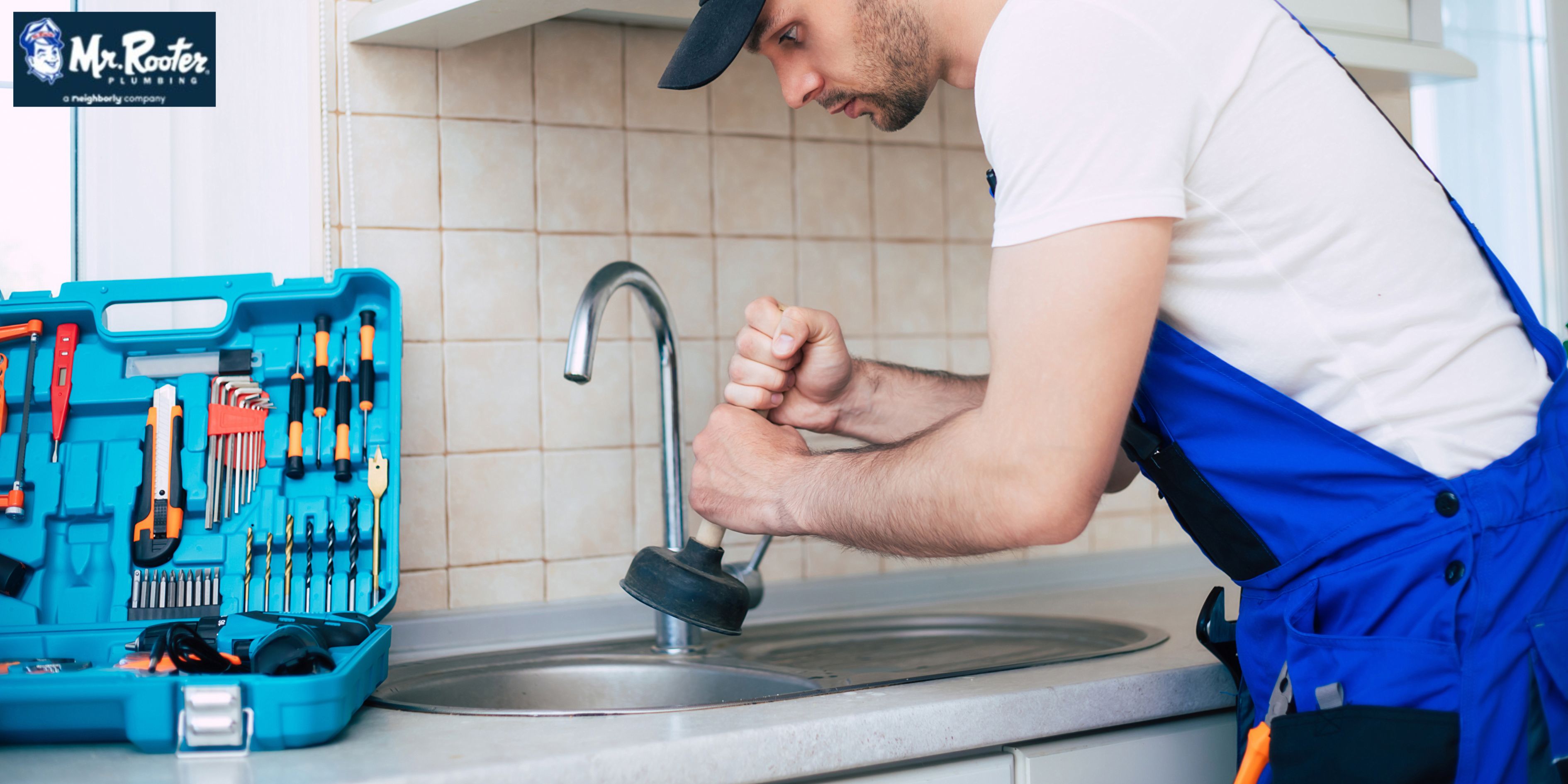
You rinse off your dinner plate, scrape a few leftovers into the sink, and let the water wash it all away — out of sight, out of mind. But what many homeowners don’t realize is that seemingly harmless food waste can quietly cause major issues in your plumbing. Over time, the buildup can lead to serious drain clogs, slow-flowing water, foul odors, or even pipe damage.


If you’ve found yourself dealing with recurring kitchen sink backups or sluggish drains, it might be time to consult a plumber in Atlantic City to take a closer look. Let’s break down why food waste is such a sneaky culprit, which items are the worst offenders, and how you can prevent costly damage to your plumbing system.


Why Food Waste Is a Big Deal for Your Drains

Modern sinks and garbage disposals are designed to handle some food debris, but they’re not invincible. Many types of waste cling to the inside of your pipes or turn into sticky sludge that gradually narrows the drain’s opening. As this buildup grows, it restricts water flow and traps other debris, eventually leading to a full blockage.

Unlike hair or soap scum, which typically affect bathroom drains, food waste affects kitchen plumbing — one of the most frequently used systems in any household. Once a blockage sets in, you may experience:

  • Slow drainage

  • Gurgling noises from the drain

  • Bad smells coming from the sink

  • Overflowing or backed-up water

  • Pipe corrosion or leaks (in severe cases)


Common Food Waste Items That Clog Your Sink

Many people are surprised to learn that the following everyday items are not sink-friendly — even if you have a garbage disposal.

1. Grease, Fats, and Oils

These are the most notorious drain-blockers. Bacon grease, cooking oil, butter, and even salad dressing might seem harmless in liquid form, but they solidify as they cool. Once they harden inside your pipes, they create thick, sticky clogs that are tough to remove.

2. Coffee Grounds

Coffee grounds don’t break down in water. Instead, they form a dense sludge that sticks to pipe walls and catches other debris, speeding up the clogging process. Dispose of them in the trash or compost instead.

3. Eggshells

Though some people believe eggshells sharpen garbage disposal blades, the reality is different. The thin membrane inside the shells can wrap around the disposal’s components, while the crushed shell particles contribute to buildup in your drains.

4. Rice and Pasta

Both expand when exposed to water — even after they’re cooked. As they swell and become gummy, they can cling together and block the drain line.

5. Potato Peels and Starchy Vegetables

Peels tend to slip through filters and get tangled in disposal blades. The starch in potatoes turns into a glue-like paste, sticking to your pipes and attracting other debris.

6. Fibrous Foods

Celery, corn husks, onion skins, and asparagus are stringy and tough. These fibers can wrap around garbage disposal blades and cause jams, while also clumping in your drainpipes.

7. Bones, Fruit Pits, and Shells

These hard scraps don’t break down easily and can damage disposal units or become stuck in bends in your plumbing.


How to Know You Have a Food Waste Blockage

Food-related blockages may develop slowly, which can make them harder to spot at first. But keep an eye out for these early warning signs:

  • Water takes longer to drain after washing dishes

  • You hear bubbling or gurgling when the sink is draining

  • A persistent foul smell lingers, even after cleaning the sink

  • Your garbage disposal hums without working (a sign of a jam)

If you notice any of these signs, it’s time to stop using the sink and call in a professional before things get worse.


How to Prevent Food Waste from Damaging Your Plumbing

Here are some practical steps you can take to protect your kitchen plumbing from food-related clogs:

1. Scrape Plates Thoroughly

Always scrape food scraps into the trash or compost bin before rinsing dishes. Even small particles can cause buildup over time.

2. Use a Sink Strainer

Install a fine mesh drain screen or strainer to catch debris that might otherwise slip down the drain. Empty it into the trash regularly.

3. Avoid Pouring Oil or Grease Down the Drain

Instead, collect used oil in a heatproof container and dispose of it in the trash once it cools. Some areas offer grease recycling programs, too.

4. Flush Your Drains with Hot Water

After using your sink, run hot water for 15-30 seconds to help move any small particles along and reduce residue inside the pipes.

5. Limit Garbage Disposal Use

Garbage disposals are handy, but they shouldn't replace the trash can. Only use it for small amounts of soft, non-fibrous food — and always run cold water while it's operating.

6. Clean Your Disposal Regularly

Grind a few ice cubes and a citrus peel to clean and deodorize your disposal. Avoid harsh chemicals; they can damage your pipes and the disposal unit.


When to Call a Professional Plumber

If basic cleaning methods like baking soda and vinegar or hot water flushing aren’t fixing the issue, don’t risk damaging your plumbing further with store-bought drain cleaners. These products can erode your pipes and may not even reach the clog if it’s deep in the system.

A licensed plumber can:

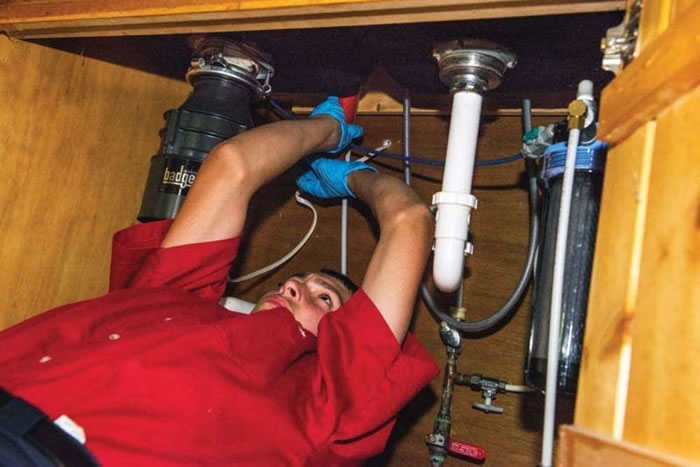
  • Use a plumbing snake or hydro jet to clear stubborn clogs

  • Inspect your drain lines with a camera for hidden buildup

  • Repair or replace damaged pipes if necessary

  • Provide preventive maintenance to avoid future blockages

Hiring a professional saves time and ensures the problem is solved at the source — not just temporarily masked.


Local, Reliable Help in Atlantic City

Clogged drains caused by food waste are a common yet frustrating issue for many homeowners. The best way to protect your plumbing — and your peace of mind — is by staying informed and taking simple preventive steps. But when problems do arise, don’t wait.

If you're dealing with persistent drain issues and need expert help, a trusted plumber in Atlantic City can get your kitchen running smoothly again.

At Mr. Rooter Plumbing of South Jersey, we specialize in tackling tough clogs, clearing food waste blockages, and helping homeowners across Atlantic City and beyond maintain healthy plumbing systems. With honest pricing, clean work, and fast service, we’re here whenever you need us — 24/7.

How Everyday Food Waste Can Cause Major Drain Blockages

48
2025-04-16 00:50:20

You rinse off your dinner plate, scrape a few leftovers into the sink, and let the water wash it all away — out of sight, out of mind. But what many homeowners don’t realize is that seemingly harmless food waste can quietly cause major issues in your plumbing. Over time, the buildup can lead to serious drain clogs, slow-flowing water, foul odors, or even pipe damage.


If you’ve found yourself dealing with recurring kitchen sink backups or sluggish drains, it might be time to consult a plumber in Atlantic City to take a closer look. Let’s break down why food waste is such a sneaky culprit, which items are the worst offenders, and how you can prevent costly damage to your plumbing system.


Why Food Waste Is a Big Deal for Your Drains

Modern sinks and garbage disposals are designed to handle some food debris, but they’re not invincible. Many types of waste cling to the inside of your pipes or turn into sticky sludge that gradually narrows the drain’s opening. As this buildup grows, it restricts water flow and traps other debris, eventually leading to a full blockage.

Unlike hair or soap scum, which typically affect bathroom drains, food waste affects kitchen plumbing — one of the most frequently used systems in any household. Once a blockage sets in, you may experience:

  • Slow drainage

  • Gurgling noises from the drain

  • Bad smells coming from the sink

  • Overflowing or backed-up water

  • Pipe corrosion or leaks (in severe cases)


Common Food Waste Items That Clog Your Sink

Many people are surprised to learn that the following everyday items are not sink-friendly — even if you have a garbage disposal.

1. Grease, Fats, and Oils

These are the most notorious drain-blockers. Bacon grease, cooking oil, butter, and even salad dressing might seem harmless in liquid form, but they solidify as they cool. Once they harden inside your pipes, they create thick, sticky clogs that are tough to remove.

2. Coffee Grounds

Coffee grounds don’t break down in water. Instead, they form a dense sludge that sticks to pipe walls and catches other debris, speeding up the clogging process. Dispose of them in the trash or compost instead.

3. Eggshells

Though some people believe eggshells sharpen garbage disposal blades, the reality is different. The thin membrane inside the shells can wrap around the disposal’s components, while the crushed shell particles contribute to buildup in your drains.

4. Rice and Pasta

Both expand when exposed to water — even after they’re cooked. As they swell and become gummy, they can cling together and block the drain line.

5. Potato Peels and Starchy Vegetables

Peels tend to slip through filters and get tangled in disposal blades. The starch in potatoes turns into a glue-like paste, sticking to your pipes and attracting other debris.

6. Fibrous Foods

Celery, corn husks, onion skins, and asparagus are stringy and tough. These fibers can wrap around garbage disposal blades and cause jams, while also clumping in your drainpipes.

7. Bones, Fruit Pits, and Shells

These hard scraps don’t break down easily and can damage disposal units or become stuck in bends in your plumbing.


How to Know You Have a Food Waste Blockage

Food-related blockages may develop slowly, which can make them harder to spot at first. But keep an eye out for these early warning signs:

  • Water takes longer to drain after washing dishes

  • You hear bubbling or gurgling when the sink is draining

  • A persistent foul smell lingers, even after cleaning the sink

  • Your garbage disposal hums without working (a sign of a jam)

If you notice any of these signs, it’s time to stop using the sink and call in a professional before things get worse.


How to Prevent Food Waste from Damaging Your Plumbing

Here are some practical steps you can take to protect your kitchen plumbing from food-related clogs:

1. Scrape Plates Thoroughly

Always scrape food scraps into the trash or compost bin before rinsing dishes. Even small particles can cause buildup over time.

2. Use a Sink Strainer

Install a fine mesh drain screen or strainer to catch debris that might otherwise slip down the drain. Empty it into the trash regularly.

3. Avoid Pouring Oil or Grease Down the Drain

Instead, collect used oil in a heatproof container and dispose of it in the trash once it cools. Some areas offer grease recycling programs, too.

4. Flush Your Drains with Hot Water

After using your sink, run hot water for 15-30 seconds to help move any small particles along and reduce residue inside the pipes.

5. Limit Garbage Disposal Use

Garbage disposals are handy, but they shouldn't replace the trash can. Only use it for small amounts of soft, non-fibrous food — and always run cold water while it's operating.

6. Clean Your Disposal Regularly

Grind a few ice cubes and a citrus peel to clean and deodorize your disposal. Avoid harsh chemicals; they can damage your pipes and the disposal unit.


When to Call a Professional Plumber

If basic cleaning methods like baking soda and vinegar or hot water flushing aren’t fixing the issue, don’t risk damaging your plumbing further with store-bought drain cleaners. These products can erode your pipes and may not even reach the clog if it’s deep in the system.

A licensed plumber can:

  • Use a plumbing snake or hydro jet to clear stubborn clogs

  • Inspect your drain lines with a camera for hidden buildup

  • Repair or replace damaged pipes if necessary

  • Provide preventive maintenance to avoid future blockages

Hiring a professional saves time and ensures the problem is solved at the source — not just temporarily masked.


Local, Reliable Help in Atlantic City

Clogged drains caused by food waste are a common yet frustrating issue for many homeowners. The best way to protect your plumbing — and your peace of mind — is by staying informed and taking simple preventive steps. But when problems do arise, don’t wait.

If you're dealing with persistent drain issues and need expert help, a trusted plumber in Atlantic City can get your kitchen running smoothly again.

At Mr. Rooter Plumbing of South Jersey, we specialize in tackling tough clogs, clearing food waste blockages, and helping homeowners across Atlantic City and beyond maintain healthy plumbing systems. With honest pricing, clean work, and fast service, we’re here whenever you need us — 24/7.

Comments

Recommended

How to Maintain Your Sump Pump and Prevent Flooding
mysouthjerseyplumbers
2292.4k
How Long Do Sump Pumps Last? When to Replace Yours
mysouthjerseyplumbers
781k
Why You Should Never Ignore a Running Toilet
mysouthjerseyplumbers
1613.6k
Download Vipon App to get great deals now!
...
Amazon Coupons Loading…