Amazon Coupons
Vipon > V Show > Night Guard Splints and Sleep Apnea: Can They Help? Share great deals & products and save together.

Night Guard Splints and Sleep Apnea: Can They Help?

2025-04-16 01:07:01
Report

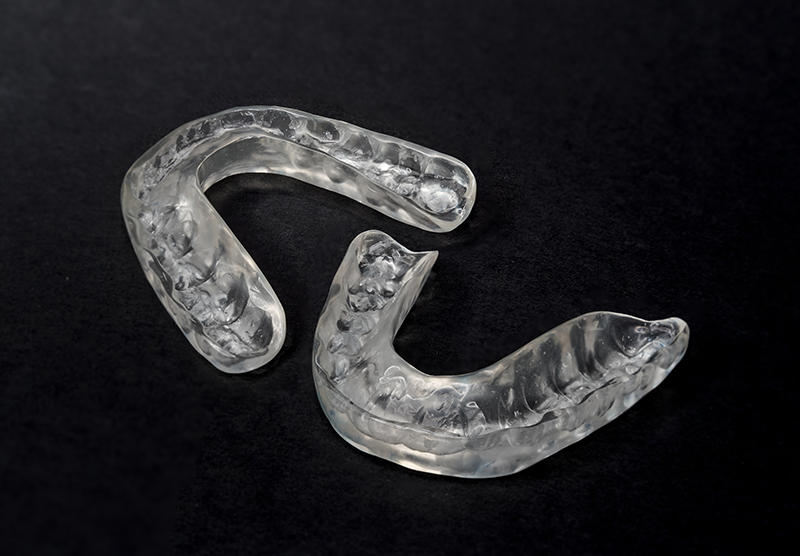
If you suffer from disrupted sleep, loud snoring, or daytime fatigue, you might be wondering whether a Night Guard Splint in Dubai could be part of the solution—especially if you’ve heard they’re useful in treating bruxism and jaw tension. While night guard splints are primarily designed to address teeth grinding and temporomandibular joint (TMJ) disorders, their role in managing sleep apnea, particularly mild cases, is a subject gaining attention in dental sleep medicine. Understanding how these devices work and what their limitations are is crucial for anyone exploring non-invasive options for better sleep and improved health.


Understanding the Basics of Sleep Apnea

Sleep apnea is a disorder in which breathing repeatedly stops and starts during sleep. The most common form, obstructive sleep apnea (OSA), occurs when throat muscles relax excessively, causing airway obstruction. This can lead to oxygen deprivation, fragmented sleep, and long-term health risks such as hypertension, heart disease, and cognitive decline. Symptoms often include loud snoring, gasping for air at night, and excessive daytime drowsiness.

Treating sleep apnea typically involves continuous positive airway pressure (CPAP) machines or, in less severe cases, oral appliances. This is where the conversation begins around night guard splints and their relevance to the condition.

The Primary Function of Night Guard Splints

Night guard splints are most commonly prescribed for bruxism and TMJ disorders. These devices create a physical barrier between the upper and lower teeth, helping to absorb pressure from grinding and prevent damage. They also assist in aligning the jaw in a more relaxed position, which can ease muscle tension and joint strain. While not specifically designed for sleep apnea, this realignment effect can indirectly influence the airway position—especially in mild cases.

Differentiating Night Guards from Oral Sleep Appliances

Although night guard splints and oral sleep apnea appliances might look similar, they serve different purposes. Custom oral appliances for sleep apnea are specifically engineered to hold the lower jaw slightly forward, thereby expanding the airway and reducing the risk of obstruction. Night guards, on the other hand, do not typically have this design objective. This difference is important when considering effectiveness for treating obstructive sleep apnea.

However, for people who clench their jaw or grind their teeth in conjunction with mild airway obstruction, a properly designed custom splint might offer dual benefits—albeit with limitations.

How Night Guard Splints Might Help with Sleep Apnea

Some patients with mild sleep apnea have experienced benefits from wearing night guard splints due to their impact on jaw posture and muscle relaxation. When the jaw is slightly repositioned or stabilized, it can reduce tissue collapse in the airway. Additionally, reducing bruxism and muscle tension may enhance overall sleep quality.

Potential benefits include:

  • Improved jaw alignment, which may marginally open the airway

  • Reduced oral muscle tension, promoting relaxed nighttime breathing

  • Decreased micro-arousals from grinding, contributing to more restorative sleep

It’s essential to note, though, that these benefits are generally seen in individuals with mild forms of OSA or upper airway resistance syndrome (UARS). In moderate to severe cases, a night guard is unlikely to replace a CPAP or a mandibular advancement device (MAD) in efficacy.

Risks and Misconceptions

A common misconception is that any mouthguard or splint can improve sleep apnea. In fact, using an incorrectly fitted device could worsen symptoms. For example, if a night guard pushes the lower jaw backward, it could narrow the airway further, intensifying apneic events. This is particularly relevant for generic, over-the-counter devices that lack customization.

Additionally, night guard splints do not monitor oxygen levels or breathing patterns, so users might not recognize whether their condition is improving or deteriorating without professional oversight. Relying solely on a splint without a proper diagnosis can delay effective treatment.

The Importance of Diagnosis and Dental Supervision

Before considering a night guard splint as part of a sleep apnea management plan, a proper diagnosis is crucial. This often involves a sleep study conducted either at home or in a clinical setting. Based on the results, your healthcare provider can determine the severity of the condition and recommend an appropriate treatment path.

If you're also dealing with bruxism or jaw pain, a custom Night Guard Splint in Dubai fabricated by a dental specialist may be appropriate, especially when integrated into a broader sleep treatment plan. The key is having a device that’s tailored to both protect your teeth and support healthy airway positioning when applicable.

Combining Therapies for Better Results

In some cases, dental professionals collaborate with sleep physicians to design custom devices that combine features of night guard splints and mandibular advancement devices. These hybrid solutions aim to manage both bruxism and airway restriction. While more expensive and time-intensive to fabricate, they may offer an ideal solution for people with overlapping conditions.

For example:

  • A person with mild sleep apnea and severe bruxism may benefit from a splint with slight jaw-forward positioning

  • Someone with TMJ pain and airway sensitivity might receive a device that emphasizes joint decompression while preserving airway space

This interdisciplinary approach can be more effective than treating each issue in isolation, especially when the root cause is multifaceted.

Final Thoughts

While a standard Night Guard Splint in Dubai is not a substitute for CPAP therapy or a medically approved mandibular advancement device, it may offer benefits for individuals with mild sleep apnea or those dealing with concurrent jaw issues and bruxism. The effectiveness depends on the design of the splint, the severity of the condition, and whether a professional has overseen your diagnosis and treatment planning.

If you suspect sleep apnea, it’s critical to consult with both a sleep specialist and a qualified dentist before starting any self-treatment. A custom-made device might be part of your solution—but only if it’s the right type and fitted for the correct purpose. With proper guidance, your night guard could be more than just a barrier against teeth grinding—it might be a gateway to deeper, healthier sleep.

Night Guard Splints and Sleep Apnea: Can They Help?

4
2025-04-16 01:07:01

If you suffer from disrupted sleep, loud snoring, or daytime fatigue, you might be wondering whether a Night Guard Splint in Dubai could be part of the solution—especially if you’ve heard they’re useful in treating bruxism and jaw tension. While night guard splints are primarily designed to address teeth grinding and temporomandibular joint (TMJ) disorders, their role in managing sleep apnea, particularly mild cases, is a subject gaining attention in dental sleep medicine. Understanding how these devices work and what their limitations are is crucial for anyone exploring non-invasive options for better sleep and improved health.


Understanding the Basics of Sleep Apnea

Sleep apnea is a disorder in which breathing repeatedly stops and starts during sleep. The most common form, obstructive sleep apnea (OSA), occurs when throat muscles relax excessively, causing airway obstruction. This can lead to oxygen deprivation, fragmented sleep, and long-term health risks such as hypertension, heart disease, and cognitive decline. Symptoms often include loud snoring, gasping for air at night, and excessive daytime drowsiness.

Treating sleep apnea typically involves continuous positive airway pressure (CPAP) machines or, in less severe cases, oral appliances. This is where the conversation begins around night guard splints and their relevance to the condition.

The Primary Function of Night Guard Splints

Night guard splints are most commonly prescribed for bruxism and TMJ disorders. These devices create a physical barrier between the upper and lower teeth, helping to absorb pressure from grinding and prevent damage. They also assist in aligning the jaw in a more relaxed position, which can ease muscle tension and joint strain. While not specifically designed for sleep apnea, this realignment effect can indirectly influence the airway position—especially in mild cases.

Differentiating Night Guards from Oral Sleep Appliances

Although night guard splints and oral sleep apnea appliances might look similar, they serve different purposes. Custom oral appliances for sleep apnea are specifically engineered to hold the lower jaw slightly forward, thereby expanding the airway and reducing the risk of obstruction. Night guards, on the other hand, do not typically have this design objective. This difference is important when considering effectiveness for treating obstructive sleep apnea.

However, for people who clench their jaw or grind their teeth in conjunction with mild airway obstruction, a properly designed custom splint might offer dual benefits—albeit with limitations.

How Night Guard Splints Might Help with Sleep Apnea

Some patients with mild sleep apnea have experienced benefits from wearing night guard splints due to their impact on jaw posture and muscle relaxation. When the jaw is slightly repositioned or stabilized, it can reduce tissue collapse in the airway. Additionally, reducing bruxism and muscle tension may enhance overall sleep quality.

Potential benefits include:

  • Improved jaw alignment, which may marginally open the airway

  • Reduced oral muscle tension, promoting relaxed nighttime breathing

  • Decreased micro-arousals from grinding, contributing to more restorative sleep

It’s essential to note, though, that these benefits are generally seen in individuals with mild forms of OSA or upper airway resistance syndrome (UARS). In moderate to severe cases, a night guard is unlikely to replace a CPAP or a mandibular advancement device (MAD) in efficacy.

Risks and Misconceptions

A common misconception is that any mouthguard or splint can improve sleep apnea. In fact, using an incorrectly fitted device could worsen symptoms. For example, if a night guard pushes the lower jaw backward, it could narrow the airway further, intensifying apneic events. This is particularly relevant for generic, over-the-counter devices that lack customization.

Additionally, night guard splints do not monitor oxygen levels or breathing patterns, so users might not recognize whether their condition is improving or deteriorating without professional oversight. Relying solely on a splint without a proper diagnosis can delay effective treatment.

The Importance of Diagnosis and Dental Supervision

Before considering a night guard splint as part of a sleep apnea management plan, a proper diagnosis is crucial. This often involves a sleep study conducted either at home or in a clinical setting. Based on the results, your healthcare provider can determine the severity of the condition and recommend an appropriate treatment path.

If you're also dealing with bruxism or jaw pain, a custom Night Guard Splint in Dubai fabricated by a dental specialist may be appropriate, especially when integrated into a broader sleep treatment plan. The key is having a device that’s tailored to both protect your teeth and support healthy airway positioning when applicable.

Combining Therapies for Better Results

In some cases, dental professionals collaborate with sleep physicians to design custom devices that combine features of night guard splints and mandibular advancement devices. These hybrid solutions aim to manage both bruxism and airway restriction. While more expensive and time-intensive to fabricate, they may offer an ideal solution for people with overlapping conditions.

For example:

  • A person with mild sleep apnea and severe bruxism may benefit from a splint with slight jaw-forward positioning

  • Someone with TMJ pain and airway sensitivity might receive a device that emphasizes joint decompression while preserving airway space

This interdisciplinary approach can be more effective than treating each issue in isolation, especially when the root cause is multifaceted.

Final Thoughts

While a standard Night Guard Splint in Dubai is not a substitute for CPAP therapy or a medically approved mandibular advancement device, it may offer benefits for individuals with mild sleep apnea or those dealing with concurrent jaw issues and bruxism. The effectiveness depends on the design of the splint, the severity of the condition, and whether a professional has overseen your diagnosis and treatment planning.

If you suspect sleep apnea, it’s critical to consult with both a sleep specialist and a qualified dentist before starting any self-treatment. A custom-made device might be part of your solution—but only if it’s the right type and fitted for the correct purpose. With proper guidance, your night guard could be more than just a barrier against teeth grinding—it might be a gateway to deeper, healthier sleep.

Comments

Recommended

Teeth Whitening 101: Methods, Benefits, and Side Effects
Dentalclinicdubai
1
Where to Buy Dental Headgear Accessories and Replacement Parts
Dentalclinicdubai
4
Can Overlapping Teeth Be Fixed Without Braces?
Dentalclinicdubai
2
Download Vipon App to get great deals now!
...
Amazon Coupons Loading…