Amazon Coupons
Vipon > V Show > Can I brush my teeth right after using Whitestrips? Share great deals & products and save together.

Can I brush my teeth right after using Whitestrips?

2025-04-17 03:55:04
Report

Can I brush my teeth right after using Whitestrips?

Whitening your teeth at home has never been easier, thanks to products like Crest Whitestrips. These easy-to-use whitening strips are trusted by millions to achieve a noticeably brighter smile without the cost and hassle of professional whitening. But a common question many people ask is:  "Can I brush my teeth right after using Whitestrips?" The answer isn’t as simple as a straight “yes” or “no.” While brushing your teeth is an essential part of oral hygiene, the timing of when you brush in relation to using Whitestrips can affect both the results and your level of comfort. In this article, we’ll dive deep into this question, exploring the science behind Whitestrips, how they affect your enamel, and the best practices for brushing before or after your whitening treatment.

Understanding How Crest Whitestrips Work

To understand why brushing right after using Whitestrips can be a sensitive topic (pun intended!), it’s helpful to understand how they actually work.

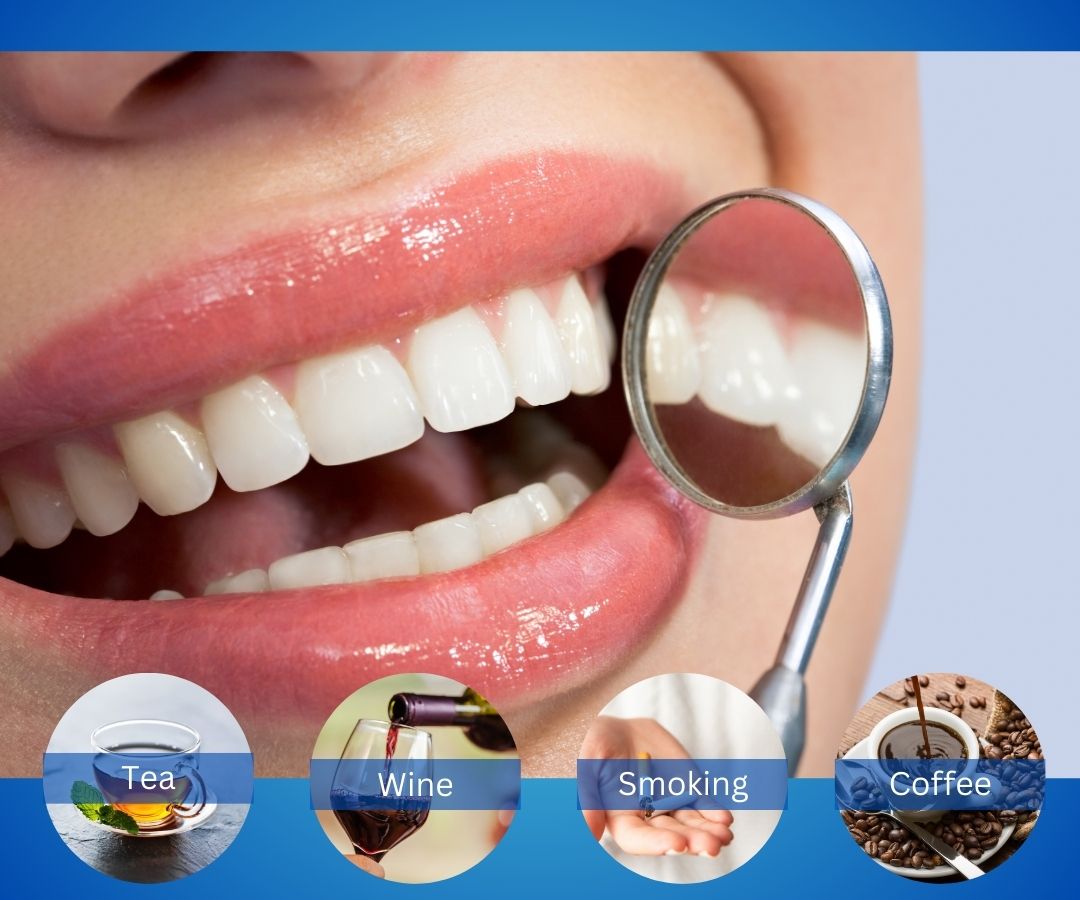
crest white strips are coated with hydrogen peroxide or carbamide peroxide, the same whitening agents used in professional dental treatments. When applied to your teeth, these chemicals penetrate the enamel and break apart stains from food, drinks, smoking, or aging.

This process is effective—but it also makes your teeth temporarily more porous and sensitive, especially if used frequently. The enamel becomes more vulnerable right after treatment, which is where the timing of brushing comes into play.


Can You Brush Right After Using Whitestrips?

The Short Answer:

Yes, you can brush your teeth after using Whitestrips, but it's not always recommended immediately afterward—especially if your teeth are prone to sensitivity.

Why You Might Want to Wait:

  1. Tooth Sensitivity: After using whitening strips, some people experience temporary tooth sensitivity. Brushing immediately afterward—especially with a whitening toothpaste—can aggravate this sensitivity and cause discomfort.

  2. Gum Irritation: If any whitening gel gets on your gums, it may cause mild irritation. Brushing immediately after can worsen this or cause discomfort if you’re using a hard-bristled toothbrush.

  3. Enamel Vulnerability: During the whitening process, your enamel may become more porous for a short time. While this isn’t damaging, it makes your teeth more susceptible to abrasion. Brushing too soon with an abrasive toothpaste could lead to enamel wear over time.

Best Practices: Brushing and Whitestrips

So, if brushing right after isn’t always ideal, when should you brush? Here are a few best practices:

1. Brush Your Teeth Before Using Whitestrips

Many dental professionals and even Crest themselves recommend brushing before using Whitestrips, but with a few caveats:

  • Wait at least 30 minutes after brushing before applying the strips.

  • This allows the fluoride and other toothpaste ingredients to settle and reduces the risk of gum irritation.

  • Avoid using a whitening toothpaste before applying strips—this can increase sensitivity.

Brushing beforehand ensures your teeth are free of plaque and surface debris, allowing the whitening gel to work more effectively.

2. Wait 30–60 Minutes After Using Whitestrips to Brush

If you do want to brush after using Whitestrips, give your teeth a break:

  • Wait at least 30 minutes before brushing.

  • Use a soft-bristled toothbrush and a non-abrasive toothpaste (preferably for sensitive teeth).

  • Rinse your mouth gently with water after removing the strips to clear any remaining gel.

This approach helps your teeth remineralize and reduces the chance of sensitivity or enamel irritation.

3. Use a Desensitizing Toothpaste

If you’re prone to tooth sensitivity, using a toothpaste like Sensodyne or Colgate Sensitive before and after your whitening sessions can make a big difference. These products contain ingredients like potassium nitrate, which help block the pain signals from your tooth nerves.

4. Don’t Brush More Than Twice a Day

While it might be tempting to brush more often during a whitening regimen, over brushing can wear down enamel especially when your teeth are in a slightly weakened state post-whitening.

Stick to brushing twice a day (morning and night), and floss once a day to support your whitening results without damaging your enamel.

What About Flossing or Using Mouthwash?

While brushing gets the most attention, people often wonder about flossing and mouthwash use during a whitening routine:

  • Flossing is perfectly fine before or after using Whitestrips. In fact, it can help ensure the whitening gel reaches between your teeth more effectively.

  • Mouthwash can be used, but it’s best to choose an alcohol-free formula to avoid irritation, especially if your gums are already feeling sensitive from the strips.

Avoid using a whitening mouthwash alongside Whitestrips unless specifically advised—it can increase the risk of overexposure and irritation.

Common Mistakes to Avoid

  1. Brushing immediately before and after with harsh toothpaste.
    This double exposure increases enamel wear and gum irritation.

  2. Using whitening toothpaste during your whitening treatment.
    Too much whitening can lead to increased sensitivity or uneven results.

  3. Not rinsing your mouth after using Whitestrips.
    Residual gel can irritate your gums or cause a bad taste if left on.

Final Words

So, can you brush your teeth after using Whitestrips?
Yes but it’s best to wait at least 30 to 60 minutes to avoid sensitivity and give your enamel a chance to stabilize.

If you want to support the whitening process while keeping your mouth clean and healthy:

  • Brush before the strips, not immediately after.

  • Use a soft toothbrush and a sensitive formula toothpaste.

  • Be gentle, and don’t overdo it.

Whitening your teeth should be a comfortable experience that leaves you feeling confident—not sore. A few small tweaks to your brushing routine can make a big difference in the final results.


Can I brush my teeth right after using Whitestrips?

274
2025-04-17 03:55:04

Can I brush my teeth right after using Whitestrips?

Whitening your teeth at home has never been easier, thanks to products like Crest Whitestrips. These easy-to-use whitening strips are trusted by millions to achieve a noticeably brighter smile without the cost and hassle of professional whitening. But a common question many people ask is:  "Can I brush my teeth right after using Whitestrips?" The answer isn’t as simple as a straight “yes” or “no.” While brushing your teeth is an essential part of oral hygiene, the timing of when you brush in relation to using Whitestrips can affect both the results and your level of comfort. In this article, we’ll dive deep into this question, exploring the science behind Whitestrips, how they affect your enamel, and the best practices for brushing before or after your whitening treatment.

Understanding How Crest Whitestrips Work

To understand why brushing right after using Whitestrips can be a sensitive topic (pun intended!), it’s helpful to understand how they actually work.

crest white strips are coated with hydrogen peroxide or carbamide peroxide, the same whitening agents used in professional dental treatments. When applied to your teeth, these chemicals penetrate the enamel and break apart stains from food, drinks, smoking, or aging.

This process is effective—but it also makes your teeth temporarily more porous and sensitive, especially if used frequently. The enamel becomes more vulnerable right after treatment, which is where the timing of brushing comes into play.


Can You Brush Right After Using Whitestrips?

The Short Answer:

Yes, you can brush your teeth after using Whitestrips, but it's not always recommended immediately afterward—especially if your teeth are prone to sensitivity.

Why You Might Want to Wait:

  1. Tooth Sensitivity: After using whitening strips, some people experience temporary tooth sensitivity. Brushing immediately afterward—especially with a whitening toothpaste—can aggravate this sensitivity and cause discomfort.

  2. Gum Irritation: If any whitening gel gets on your gums, it may cause mild irritation. Brushing immediately after can worsen this or cause discomfort if you’re using a hard-bristled toothbrush.

  3. Enamel Vulnerability: During the whitening process, your enamel may become more porous for a short time. While this isn’t damaging, it makes your teeth more susceptible to abrasion. Brushing too soon with an abrasive toothpaste could lead to enamel wear over time.

Best Practices: Brushing and Whitestrips

So, if brushing right after isn’t always ideal, when should you brush? Here are a few best practices:

1. Brush Your Teeth Before Using Whitestrips

Many dental professionals and even Crest themselves recommend brushing before using Whitestrips, but with a few caveats:

  • Wait at least 30 minutes after brushing before applying the strips.

  • This allows the fluoride and other toothpaste ingredients to settle and reduces the risk of gum irritation.

  • Avoid using a whitening toothpaste before applying strips—this can increase sensitivity.

Brushing beforehand ensures your teeth are free of plaque and surface debris, allowing the whitening gel to work more effectively.

2. Wait 30–60 Minutes After Using Whitestrips to Brush

If you do want to brush after using Whitestrips, give your teeth a break:

  • Wait at least 30 minutes before brushing.

  • Use a soft-bristled toothbrush and a non-abrasive toothpaste (preferably for sensitive teeth).

  • Rinse your mouth gently with water after removing the strips to clear any remaining gel.

This approach helps your teeth remineralize and reduces the chance of sensitivity or enamel irritation.

3. Use a Desensitizing Toothpaste

If you’re prone to tooth sensitivity, using a toothpaste like Sensodyne or Colgate Sensitive before and after your whitening sessions can make a big difference. These products contain ingredients like potassium nitrate, which help block the pain signals from your tooth nerves.

4. Don’t Brush More Than Twice a Day

While it might be tempting to brush more often during a whitening regimen, over brushing can wear down enamel especially when your teeth are in a slightly weakened state post-whitening.

Stick to brushing twice a day (morning and night), and floss once a day to support your whitening results without damaging your enamel.

What About Flossing or Using Mouthwash?

While brushing gets the most attention, people often wonder about flossing and mouthwash use during a whitening routine:

  • Flossing is perfectly fine before or after using Whitestrips. In fact, it can help ensure the whitening gel reaches between your teeth more effectively.

  • Mouthwash can be used, but it’s best to choose an alcohol-free formula to avoid irritation, especially if your gums are already feeling sensitive from the strips.

Avoid using a whitening mouthwash alongside Whitestrips unless specifically advised—it can increase the risk of overexposure and irritation.

Common Mistakes to Avoid

  1. Brushing immediately before and after with harsh toothpaste.
    This double exposure increases enamel wear and gum irritation.

  2. Using whitening toothpaste during your whitening treatment.
    Too much whitening can lead to increased sensitivity or uneven results.

  3. Not rinsing your mouth after using Whitestrips.
    Residual gel can irritate your gums or cause a bad taste if left on.

Final Words

So, can you brush your teeth after using Whitestrips?
Yes but it’s best to wait at least 30 to 60 minutes to avoid sensitivity and give your enamel a chance to stabilize.

If you want to support the whitening process while keeping your mouth clean and healthy:

  • Brush before the strips, not immediately after.

  • Use a soft toothbrush and a sensitive formula toothpaste.

  • Be gentle, and don’t overdo it.

Whitening your teeth should be a comfortable experience that leaves you feeling confident—not sore. A few small tweaks to your brushing routine can make a big difference in the final results.


Comments

Recommended

Can Crest Whitestrips whiten all types of teeth?
thewhitesmiles
374
How to Use Crest Whitestrips with Invisalign
thewhitesmiles
237
Crest whitening strips and its effectiveness on root canals
thewhitesmiles
1832.7k
Download Vipon App to get great deals now!
...
Amazon Coupons Loading…