Amazon Coupons
Vipon > V Show > Arabic Calligraphy: Traditions, Techniques & Dubai’s Stunning Displays Share great deals & products and save together.

Arabic Calligraphy: Traditions, Techniques & Dubai’s Stunning Displays

2025-05-05 00:21:09
Report

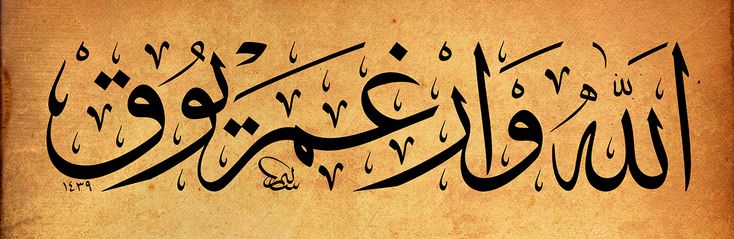
Arabic calligraphy is more than just beautiful writing—it is an art form that carries deep cultural, religious, and historical significance. With its intricate strokes and flowing designs, Arabic calligraphy has been cherished for centuries, evolving into various styles that continue to inspire artists worldwide. In Dubai, this ancient art thrives, blending tradition with modernity in stunning displays across the city. From grand mosques to contemporary galleries, Dubai calligraphy showcases the perfect harmony between heritage and innovation.

History and Evolution of Arabic Calligraphy

Arabic calligraphy dates back to the 7th century, emerging alongside the rise of Islam. Since the Quran was revealed in Arabic, the written word gained immense reverence, leading to the development of calligraphy as a sacred art. Early calligraphers sought to perfect their scripts to ensure the holy text was presented with beauty and precision. Over time, different styles emerged, each with unique characteristics.

One of the earliest forms was Kufic, known for its angular, geometric shapes, often used in early Quranic manuscripts and architectural inscriptions. As the art spread across the Islamic world, more fluid styles like Naskh and Thuluth became popular. Naskh was favored for its readability, making it ideal for copying the Quran, while Thuluth was used for ornamental purposes due to its elegant, elongated letters.

The Ottoman Empire further refined calligraphy, introducing Diwani, a highly decorative script used in royal decrees. Today, calligraphy remains a living tradition, with artists experimenting with new techniques while preserving classical methods.


Major Styles of Arabic Calligraphy

Arabic calligraphy encompasses numerous styles, each with distinct aesthetics and purposes. Some of the most prominent include:

  • Kufic: The oldest form, characterized by bold, square-like letters, often seen in ancient mosques and coins.

  • Naskh: A cursive, easy-to-read script widely used in printing and everyday writing.

  • Thuluth: Known for its tall, sweeping curves, commonly used in mosque decorations and religious texts.

  • Diwani: A lavish, intricate script developed during the Ottoman era, often used in official documents.

  • Modern Calligraphy: A contemporary twist on traditional styles, blending classic techniques with abstract and digital art.

Each style requires years of practice to master, as calligraphers must balance proportions, spacing, and fluidity. The tools used—such as reed pens (qalam), ink, and specially treated paper—also play a crucial role in achieving the perfect stroke.

Cultural and Spiritual Significance of Arabic Calligraphy

In Islamic culture, calligraphy is more than an art—it is a spiritual expression. Since depicting human figures was historically discouraged in religious contexts, calligraphy became the primary medium for artistic and devotional works. Quranic verses, Hadiths, and prayers are beautifully inscribed in mosques, manuscripts, and everyday objects, serving as a reminder of faith and divine beauty.

Beyond religion, calligraphy has been a unifying element across the Arab world, transcending borders and languages. It symbolizes identity, heritage, and intellectual pursuit. Many Arabic proverbs and poems are also rendered in calligraphy, preserving wisdom through visually stunning compositions.

Rise of Dubai Calligraphy: Blending Tradition with Modernity

Dubai, a city known for its futuristic skyline and rich cultural roots, has embraced dubai calligraphy in remarkable ways. From towering monuments to luxury hotels, calligraphic art is a prominent feature in the city’s landscape.

One of the most iconic examples is the Dubai Frame, where calligraphic designs adorn the structure, symbolizing the connection between the old and new Dubai. The Jumeirah Mosque also features exquisite Thuluth inscriptions, showcasing Islamic artistry.

Dubai’s art scene actively promotes calligraphy through exhibitions, workshops, and festivals. The Calligraphy Biennale and Art Dubai often feature renowned calligraphers who demonstrate live performances, attracting enthusiasts from around the world. Additionally, contemporary artists in Dubai experiment with calligraphy in digital art, fashion, and even street murals, proving its timeless appeal.

Future of Arabic Calligraphy in Art and Design

As the world becomes more digitally oriented, Arabic calligraphy continues to evolve. Many artists now use graphic design software to create intricate calligraphic pieces, merging tradition with technology. Social media platforms have also given calligraphers a global stage, allowing them to share their work with millions.

In Dubai, calligraphy is increasingly integrated into modern architecture, interior design, and even corporate branding. Luxury brands often use calligraphic logos to convey elegance and cultural authenticity. Furthermore, educational institutions in the UAE offer calligraphy courses, ensuring that this ancient art is passed down to future generations.

Conclusion

Arabic calligraphy is a mesmerizing blend of art, history, and spirituality. In Dubai, this ancient tradition flourishes, adapting to contemporary trends while preserving its deep-rooted heritage. From sacred texts to modern masterpieces, calligraphy continues to captivate audiences, proving that the written word is not just a means of communication but also a powerful form of artistic expression. As Dubai grows as a cultural hub, its celebration of calligraphy ensures that this timeless art remains alive for generations to come.

Arabic Calligraphy: Traditions, Techniques & Dubai’s Stunning Displays

79
2025-05-05 00:21:09

Arabic calligraphy is more than just beautiful writing—it is an art form that carries deep cultural, religious, and historical significance. With its intricate strokes and flowing designs, Arabic calligraphy has been cherished for centuries, evolving into various styles that continue to inspire artists worldwide. In Dubai, this ancient art thrives, blending tradition with modernity in stunning displays across the city. From grand mosques to contemporary galleries, Dubai calligraphy showcases the perfect harmony between heritage and innovation.

History and Evolution of Arabic Calligraphy

Arabic calligraphy dates back to the 7th century, emerging alongside the rise of Islam. Since the Quran was revealed in Arabic, the written word gained immense reverence, leading to the development of calligraphy as a sacred art. Early calligraphers sought to perfect their scripts to ensure the holy text was presented with beauty and precision. Over time, different styles emerged, each with unique characteristics.

One of the earliest forms was Kufic, known for its angular, geometric shapes, often used in early Quranic manuscripts and architectural inscriptions. As the art spread across the Islamic world, more fluid styles like Naskh and Thuluth became popular. Naskh was favored for its readability, making it ideal for copying the Quran, while Thuluth was used for ornamental purposes due to its elegant, elongated letters.

The Ottoman Empire further refined calligraphy, introducing Diwani, a highly decorative script used in royal decrees. Today, calligraphy remains a living tradition, with artists experimenting with new techniques while preserving classical methods.


Major Styles of Arabic Calligraphy

Arabic calligraphy encompasses numerous styles, each with distinct aesthetics and purposes. Some of the most prominent include:

  • Kufic: The oldest form, characterized by bold, square-like letters, often seen in ancient mosques and coins.

  • Naskh: A cursive, easy-to-read script widely used in printing and everyday writing.

  • Thuluth: Known for its tall, sweeping curves, commonly used in mosque decorations and religious texts.

  • Diwani: A lavish, intricate script developed during the Ottoman era, often used in official documents.

  • Modern Calligraphy: A contemporary twist on traditional styles, blending classic techniques with abstract and digital art.

Each style requires years of practice to master, as calligraphers must balance proportions, spacing, and fluidity. The tools used—such as reed pens (qalam), ink, and specially treated paper—also play a crucial role in achieving the perfect stroke.

Cultural and Spiritual Significance of Arabic Calligraphy

In Islamic culture, calligraphy is more than an art—it is a spiritual expression. Since depicting human figures was historically discouraged in religious contexts, calligraphy became the primary medium for artistic and devotional works. Quranic verses, Hadiths, and prayers are beautifully inscribed in mosques, manuscripts, and everyday objects, serving as a reminder of faith and divine beauty.

Beyond religion, calligraphy has been a unifying element across the Arab world, transcending borders and languages. It symbolizes identity, heritage, and intellectual pursuit. Many Arabic proverbs and poems are also rendered in calligraphy, preserving wisdom through visually stunning compositions.

Rise of Dubai Calligraphy: Blending Tradition with Modernity

Dubai, a city known for its futuristic skyline and rich cultural roots, has embraced dubai calligraphy in remarkable ways. From towering monuments to luxury hotels, calligraphic art is a prominent feature in the city’s landscape.

One of the most iconic examples is the Dubai Frame, where calligraphic designs adorn the structure, symbolizing the connection between the old and new Dubai. The Jumeirah Mosque also features exquisite Thuluth inscriptions, showcasing Islamic artistry.

Dubai’s art scene actively promotes calligraphy through exhibitions, workshops, and festivals. The Calligraphy Biennale and Art Dubai often feature renowned calligraphers who demonstrate live performances, attracting enthusiasts from around the world. Additionally, contemporary artists in Dubai experiment with calligraphy in digital art, fashion, and even street murals, proving its timeless appeal.

Future of Arabic Calligraphy in Art and Design

As the world becomes more digitally oriented, Arabic calligraphy continues to evolve. Many artists now use graphic design software to create intricate calligraphic pieces, merging tradition with technology. Social media platforms have also given calligraphers a global stage, allowing them to share their work with millions.

In Dubai, calligraphy is increasingly integrated into modern architecture, interior design, and even corporate branding. Luxury brands often use calligraphic logos to convey elegance and cultural authenticity. Furthermore, educational institutions in the UAE offer calligraphy courses, ensuring that this ancient art is passed down to future generations.

Conclusion

Arabic calligraphy is a mesmerizing blend of art, history, and spirituality. In Dubai, this ancient tradition flourishes, adapting to contemporary trends while preserving its deep-rooted heritage. From sacred texts to modern masterpieces, calligraphy continues to captivate audiences, proving that the written word is not just a means of communication but also a powerful form of artistic expression. As Dubai grows as a cultural hub, its celebration of calligraphy ensures that this timeless art remains alive for generations to come.

Comments

Recommended

The Rise of Madhappy in Modern Fashion
shirepestandpropertycare
108
The Rise of Nofs in Modern Streetwear
shirepestandpropertycare
74
Pest Control Services: Keeping Your Home Safe and Pest-Free
shirepestandpropertycare
106
Download Vipon App to get great deals now!
...
Amazon Coupons Loading…