Exclusive
To get our best deals and discounts Subscribe Below!
Continue As A Guest
Continue As A Guest
Updata
Hey! Thank you so much for your support and quality posts for V Show!
And congratulations on becoming our Vipon Associated Editor.
From now on, in addition to getting 10 points for each post (up to 30 points daily), we will regularly review each of your articles, and each approved article (tagged with Featured label) will be paid an additional $50.
Note: Not all articles you posted will get $50, only those that meet our requirements will be paid, and articles or contents that do not meet the requirements will be removed.
Please continue to produce high quality content for organic likes. Our shoppers love seeing your stories & posts!
Congratulations! Your V SHOW post Planting Tips has become our Featured content, we will pay $50 for this post. Please check on your balance. Please continue to produce high quality original content!
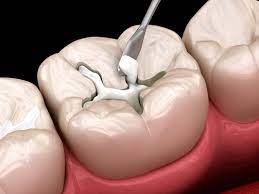
Understanding what is the lifespan of dental cement is essential for anyone with crowns, bridges, veneers, or orthodontic appliances. Dental Bonding Cementing is a critical component in restorative and cosmetic dentistry, used to secure dental work in place. However, like all dental materials, it doesn’t last forever. While its durability depends on factors such as the type of cement, oral hygiene habits, and the location of the restoration, the average lifespan can range from a few months for temporary cement to over a decade for permanent solutions.
Different dental cements are formulated for specific purposes, and their longevity varies accordingly. Understanding which type has been used in your treatment can help set realistic expectations for how long it will hold up.
Common types and their durability:
Temporary dental cement: Typically lasts a few weeks to 3 months
Zinc phosphate cement: Has a lifespan of 5 to 10 years
Glass ionomer cement: Lasts 7 to 10 years, releases fluoride
Resin-modified glass ionomer: More durable, lasts up to 15 years
Resin cement: Offers the longest lifespan, often 10 to 20 years depending on conditions
Permanent cements generally last longer but still require monitoring and good care to prevent early failure.

While the material matters, several lifestyle and dental health factors influence what is the lifespan of dental cement in your specific case. Your habits, oral hygiene, and even dietary choices can play a role.
Key factors affecting lifespan:
Oral hygiene: Poor brushing or flossing can lead to decay and cement failure
Diet: High sugar or acidic foods can weaken cement bonds
Teeth grinding (bruxism): Can put stress on restorations and cause dislodgement
Bite force: Strong chewing or biting on hard foods shortens cement lifespan
Saliva pH and flow: A dry or acidic mouth may impact bonding
Protecting your dental work involves managing these contributing factors carefully.
It’s important to recognize the early signs that your dental cement might be deteriorating. Prompt attention can help prevent further damage to both the restoration and the natural tooth structure.
Watch for these symptoms:
Looseness in crowns or bridges
Unusual taste or smell near the restoration
Tooth sensitivity, especially to hot or cold
Pain while biting or chewing
Visible gaps or movement in the dental work
If you notice any of these signs, visit your dentist as soon as possible for evaluation and repair.
You can significantly improve the performance and longevity of your dental cement by following proper oral care routines and making mindful lifestyle choices. Prevention is always more effective than repairs.
Ways to increase durability:
Brush twice daily using non-abrasive toothpaste
Floss carefully to avoid pulling around cemented areas
Avoid chewing hard items like ice or pens
Use a nightguard if you grind your teeth
Attend regular dental check-ups every six months
Eat a balanced diet low in acids and sugars
These small but consistent habits can preserve both the dental cement and the restoration itself.
Eventually, no matter how well you care for it, Dental Bonding Cementing Treatment will need to be replaced. Your dentist can assess whether the cement has worn out, the restoration is damaged, or your oral health has changed.
Typical replacement scenarios:
Cement has broken down or washed out
Decay has developed beneath the crown or bridge
Restoration is outdated or discolored
Improved materials are now available
Patient needs orthodontic changes or implants
Staying proactive with your dental care allows for timely updates and ensures your teeth and restorations remain healthy and functional.
Understanding what is the lifespan of dental cement is essential for anyone with crowns, bridges, veneers, or orthodontic appliances. Dental Bonding Cementing is a critical component in restorative and cosmetic dentistry, used to secure dental work in place. However, like all dental materials, it doesn’t last forever. While its durability depends on factors such as the type of cement, oral hygiene habits, and the location of the restoration, the average lifespan can range from a few months for temporary cement to over a decade for permanent solutions.
Different dental cements are formulated for specific purposes, and their longevity varies accordingly. Understanding which type has been used in your treatment can help set realistic expectations for how long it will hold up.
Common types and their durability:
Temporary dental cement: Typically lasts a few weeks to 3 months
Zinc phosphate cement: Has a lifespan of 5 to 10 years
Glass ionomer cement: Lasts 7 to 10 years, releases fluoride
Resin-modified glass ionomer: More durable, lasts up to 15 years
Resin cement: Offers the longest lifespan, often 10 to 20 years depending on conditions
Permanent cements generally last longer but still require monitoring and good care to prevent early failure.

While the material matters, several lifestyle and dental health factors influence what is the lifespan of dental cement in your specific case. Your habits, oral hygiene, and even dietary choices can play a role.
Key factors affecting lifespan:
Oral hygiene: Poor brushing or flossing can lead to decay and cement failure
Diet: High sugar or acidic foods can weaken cement bonds
Teeth grinding (bruxism): Can put stress on restorations and cause dislodgement
Bite force: Strong chewing or biting on hard foods shortens cement lifespan
Saliva pH and flow: A dry or acidic mouth may impact bonding
Protecting your dental work involves managing these contributing factors carefully.
It’s important to recognize the early signs that your dental cement might be deteriorating. Prompt attention can help prevent further damage to both the restoration and the natural tooth structure.
Watch for these symptoms:
Looseness in crowns or bridges
Unusual taste or smell near the restoration
Tooth sensitivity, especially to hot or cold
Pain while biting or chewing
Visible gaps or movement in the dental work
If you notice any of these signs, visit your dentist as soon as possible for evaluation and repair.
You can significantly improve the performance and longevity of your dental cement by following proper oral care routines and making mindful lifestyle choices. Prevention is always more effective than repairs.
Ways to increase durability:
Brush twice daily using non-abrasive toothpaste
Floss carefully to avoid pulling around cemented areas
Avoid chewing hard items like ice or pens
Use a nightguard if you grind your teeth
Attend regular dental check-ups every six months
Eat a balanced diet low in acids and sugars
These small but consistent habits can preserve both the dental cement and the restoration itself.
Eventually, no matter how well you care for it, Dental Bonding Cementing Treatment will need to be replaced. Your dentist can assess whether the cement has worn out, the restoration is damaged, or your oral health has changed.
Typical replacement scenarios:
Cement has broken down or washed out
Decay has developed beneath the crown or bridge
Restoration is outdated or discolored
Improved materials are now available
Patient needs orthodontic changes or implants
Staying proactive with your dental care allows for timely updates and ensures your teeth and restorations remain healthy and functional.
Are you sure you want to stop following?
Loading…
Congrats! You are now a member!
Start requesting vouchers for promo codes by clicking the Request Deal buttons on products you want.
Sellers of Amazon products are required to sign in at www.amztracker.com
More information about placing your products on this site can be found here.
Are you having problems purchasing a product with the supplied voucher? If so, please contact the seller via the supplied email.
Also, please be patient. Sellers are pretty busy people and it can take awhile to respond to your emails.
After 2 days of receiving a voucher you can report the seller to us (using the same button) if you cannot resolve this issue with the seller.
For more information click here.
We have taken note and will also convey the problems to the seller on your behalf.
Usually the seller will rectify it soon, we suggest now you can remove this request from your dashboard and choose another deal.
If you love this deal most, we suggest you can try to request this deal after 2 days.
This will mark the product as purchased. The voucher will be permanently removed from your dashboard shortly after. Are you sure?
You are essentially competing with a whole lot of other buyers when requesting to purchase a product. The seller only has a limited amount of vouchers to give out too.
Select All Groups
✕
Adult Products
Arts, Crafts & Sewing
Automotive & Industrial
Beauty & Grooming
Cell Phones & Accessories
Electronics & Office
Health & Household
Home & Garden
Jewelry
Kitchen & Dining
Men's Clothing & Shoes
Pet Supplies
Sports & Outdoors
Toys, Kids & Baby
Watches
Women's Clothing & Shoes
Other
Adult Products
©Copyright 2026 Vipon All Right Reserved · Privacy Policy · Terms of Service · Do Not Sell My Personal Information
Certain content in this page comes from Amazon. The content is provided as is, and is subject
to change or removal at
any time. Amazon and the Amazon logo are trademarks of Amazon.com,
Inc. or its affiliates.
Comments