Amazon Coupons
Vipon > V Show > My Dental Appliance Hurts – What Should I Do? Share great deals & products and save together.

My Dental Appliance Hurts – What Should I Do?

2025-06-18 00:21:18
Report

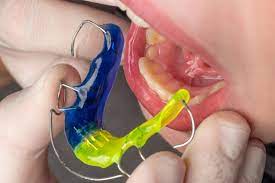
If you've ever thought, “my dental appliance hurts – what should I do?”, you're not alone. Many people experience discomfort after getting Dental Appliances, aligners, night guards, or other oral devices. While some soreness is normal at first, ongoing or sharp pain shouldn't be ignored. Whether you're dealing with a new fit or an old device, understanding the causes of pain and knowing how to respond can help you stay on track with your treatment without unnecessary suffering.

Identify the Type and Source of the Pain:

The first step is to determine what kind of pain you're feeling and where it’s coming from. Different appliances can cause discomfort in different ways, and pinpointing the source will help guide the solution.

  • Pressure or tightness is common with new retainers or aligners

  • Sharp or poking pain may come from broken wires or rough edges

  • Jaw soreness can result from night guards that shift bite alignment

  • Gum irritation or cuts often occur with poorly fitted devices

  • Headaches or ear pain may signal that your bite is off due to the appliance

Understanding whether the pain is from fitting issues, misuse, or changes in your oral structure will determine if it's something that needs professional correction or home care.


Try Safe At-Home Relief First:

In many cases, especially during the first few days of wearing a new appliance, some discomfort is to be expected. Fortunately, there are simple and safe ways to reduce pain at home.

  • Rinse with warm salt water to soothe irritated gums

  • Use orthodontic wax to cover sharp edges or rough spots

  • Take over-the-counter pain relievers like ibuprofen or acetaminophen

  • Stick to soft foods to reduce pressure on sore teeth or gums

  • Apply cold compresses to the outside of your mouth or jaw

These remedies can make a significant difference during the adjustment period. However, if pain persists beyond a few days or worsens, it’s time to explore other causes.

Know When to Call Your Dentist:

Sometimes, asking “my dental appliance hurts – what should I do?” leads to a simple answer: call your dentist. Persistent pain is not normal and could signal a problem with the appliance or your bite.

  • If your device is visibly damaged, cracked, or bent

  • If your teeth feel loose or shift noticeably

  • If sores or ulcers develop from prolonged rubbing

  • If your jaw pain interferes with eating or sleeping

  • If the appliance suddenly stops fitting correctly

Dentists can adjust, repair, or replace the appliance to improve your comfort and ensure you're not causing long-term harm to your teeth or jaw.

Common Causes of Dental Appliance Pain:

Understanding the underlying reasons behind the discomfort can help prevent future issues and improve your current experience with the appliance.

  • Improper fit from a poorly made or outdated mold

  • Tooth movement causing new pressure points, especially with aligners

  • Worn-down appliances that no longer support your bite correctly

  • Heat exposure that has warped the shape of plastic devices

  • Inconsistent wear that allows the mouth to shift between uses

Each of these issues can be addressed with timely intervention. Keeping a log of when and where you feel discomfort can also help your dental provider diagnose the issue more efficiently.

Preventing Future Pain and Discomfort:

The best way to handle pain is to prevent it. Once the initial adjustment period passes, your Dental Appliances Treatment should not hurt. Taking good care of your device and staying consistent with dental visits can save you from repeat issues.

  • Follow your dentist’s instructions for daily wear and care

  • Clean the appliance regularly to prevent buildup that causes irritation

  • Avoid DIY adjustments or home fixes that alter the device’s fit

  • Store it in a protective case and away from heat or pets

  • Schedule regular checkups to make sure the appliance still fits properly

Staying proactive can help you avoid ever having to ask again, “my dental appliance hurts – what should I do?” With the right care and attention, your device should support your dental health—not cause pain.

My Dental Appliance Hurts – What Should I Do?

163
2025-06-18 00:21:18

If you've ever thought, “my dental appliance hurts – what should I do?”, you're not alone. Many people experience discomfort after getting Dental Appliances, aligners, night guards, or other oral devices. While some soreness is normal at first, ongoing or sharp pain shouldn't be ignored. Whether you're dealing with a new fit or an old device, understanding the causes of pain and knowing how to respond can help you stay on track with your treatment without unnecessary suffering.

Identify the Type and Source of the Pain:

The first step is to determine what kind of pain you're feeling and where it’s coming from. Different appliances can cause discomfort in different ways, and pinpointing the source will help guide the solution.

  • Pressure or tightness is common with new retainers or aligners

  • Sharp or poking pain may come from broken wires or rough edges

  • Jaw soreness can result from night guards that shift bite alignment

  • Gum irritation or cuts often occur with poorly fitted devices

  • Headaches or ear pain may signal that your bite is off due to the appliance

Understanding whether the pain is from fitting issues, misuse, or changes in your oral structure will determine if it's something that needs professional correction or home care.


Try Safe At-Home Relief First:

In many cases, especially during the first few days of wearing a new appliance, some discomfort is to be expected. Fortunately, there are simple and safe ways to reduce pain at home.

  • Rinse with warm salt water to soothe irritated gums

  • Use orthodontic wax to cover sharp edges or rough spots

  • Take over-the-counter pain relievers like ibuprofen or acetaminophen

  • Stick to soft foods to reduce pressure on sore teeth or gums

  • Apply cold compresses to the outside of your mouth or jaw

These remedies can make a significant difference during the adjustment period. However, if pain persists beyond a few days or worsens, it’s time to explore other causes.

Know When to Call Your Dentist:

Sometimes, asking “my dental appliance hurts – what should I do?” leads to a simple answer: call your dentist. Persistent pain is not normal and could signal a problem with the appliance or your bite.

  • If your device is visibly damaged, cracked, or bent

  • If your teeth feel loose or shift noticeably

  • If sores or ulcers develop from prolonged rubbing

  • If your jaw pain interferes with eating or sleeping

  • If the appliance suddenly stops fitting correctly

Dentists can adjust, repair, or replace the appliance to improve your comfort and ensure you're not causing long-term harm to your teeth or jaw.

Common Causes of Dental Appliance Pain:

Understanding the underlying reasons behind the discomfort can help prevent future issues and improve your current experience with the appliance.

  • Improper fit from a poorly made or outdated mold

  • Tooth movement causing new pressure points, especially with aligners

  • Worn-down appliances that no longer support your bite correctly

  • Heat exposure that has warped the shape of plastic devices

  • Inconsistent wear that allows the mouth to shift between uses

Each of these issues can be addressed with timely intervention. Keeping a log of when and where you feel discomfort can also help your dental provider diagnose the issue more efficiently.

Preventing Future Pain and Discomfort:

The best way to handle pain is to prevent it. Once the initial adjustment period passes, your Dental Appliances Treatment should not hurt. Taking good care of your device and staying consistent with dental visits can save you from repeat issues.

  • Follow your dentist’s instructions for daily wear and care

  • Clean the appliance regularly to prevent buildup that causes irritation

  • Avoid DIY adjustments or home fixes that alter the device’s fit

  • Store it in a protective case and away from heat or pets

  • Schedule regular checkups to make sure the appliance still fits properly

Staying proactive can help you avoid ever having to ask again, “my dental appliance hurts – what should I do?” With the right care and attention, your device should support your dental health—not cause pain.

Comments

Recommended

What Are the Risks of DIY Gum Whitening?
VIPON_171749105446
49
Can Tooth Extractions Affect Your Jawbone?
VIPON_171749105446
34
Can Root Canal Treatment Be Done in One Visit?
VIPON_171749105446
35
Download Vipon App to get great deals now!
...
Amazon Coupons Loading…