Exclusive
To get our best deals and discounts Subscribe Below!
Continue As A Guest
Continue As A Guest
Updata
Hey! Thank you so much for your support and quality posts for V Show!
And congratulations on becoming our Vipon Associated Editor.
From now on, in addition to getting 10 points for each post (up to 30 points daily), we will regularly review each of your articles, and each approved article (tagged with Featured label) will be paid an additional $50.
Note: Not all articles you posted will get $50, only those that meet our requirements will be paid, and articles or contents that do not meet the requirements will be removed.
Please continue to produce high quality content for organic likes. Our shoppers love seeing your stories & posts!
Congratulations! Your V SHOW post Planting Tips has become our Featured content, we will pay $50 for this post. Please check on your balance. Please continue to produce high quality original content!

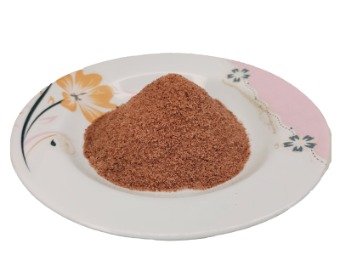
Himalayan salt, often referred to as “pink gold,” has captivated the health and wellness industry with its mesmerizing color and alleged health benefits. Mined from ancient sea beds deep within the Himalayan mountains of Pakistan, this salt is not only a culinary marvel but also a natural source of vital minerals. Unlike the highly processed white table salt found in most homes, Himalayan salt remains closer to its natural form and contains a spectrum of trace minerals that contribute to its unique properties.
This article explores the mineral composition of Himalayan salt, its geological origins, the potential health benefits associated with its use, and its application in culinary, therapeutic, and decorative settings.
1. Origins and Geological Formation
Himalayan salt is primarily harvested from the Punjab Salt Mine, located in the Punjab region of Pakistan. This mine is believed to be the second-largest salt mine in the world and is thought to have formed over 250 million years ago during the evaporation of prehistoric bodies of water.
As the ancient oceans dried up, the salt was buried under layers of lava, snow, and ice, protecting it from modern pollutants and preserving its purity. Over the millennia, the pressure from the surrounding mountains transformed the salt crystals into dense, mineral-rich deposits.
2. Composition of Himalayan Salt
Himalayan salt is composed of about 98% sodium chloride (NaCl), similar to regular table salt. However, what makes it unique and highly valued is the remaining 2%, which includes over 80 trace minerals and elements. These minerals not only contribute to the salt's signature pink hue but are also believed to offer various health benefits.
Key Minerals Found in Himalayan Salt
Iron (Fe)
Responsible for the pink to reddish color.
Vital for blood production and oxygen transport in the body.
Calcium (Ca)
Essential for healthy bones and teeth.
Aids in muscle function and nerve signaling.
Magnesium (Mg)
Plays a role in over 300 biochemical reactions.
Important for muscle and nerve function, blood sugar control, and blood pressure regulation.
Potassium (K)
Helps regulate fluid balance and muscle contractions.
Crucial for maintaining heart health.
Zinc (Zn)
Supports immune system function.
Important for wound healing and DNA synthesis.
Phosphorus (P)
Assists in the formation of bones and teeth.
Important for energy production and storage.
Chromium (Cr)
Involved in macronutrient metabolism.
May help regulate blood sugar levels.
Sulfur (S)
Contributes to the formation of amino acids and enzymes.
Important for detoxification and cellular respiration.
Iodine (I)
Necessary for thyroid hormone production.
Supports metabolic and developmental functions.
Although these minerals are present in small amounts, their cumulative presence adds to the holistic value of Himalayan salt.
3. Health Benefits of Himalayan Salt
The mineral content of Himalayan salt has led to its use in a variety of natural remedies and wellness practices. While many of these benefits are based on anecdotal evidence and traditional practices, some are supported by scientific reasoning.
A. Electrolyte Balance
Himalayan salt contains essential electrolytes such as sodium, potassium, magnesium, and calcium, which help maintain fluid balance, support nerve function, and ensure proper muscle contractions. Consuming a small amount in water (often referred to as "sole water") is believed to help with hydration and energy levels.
B. Respiratory Health
Salt therapy, or halotherapy, involves inhaling salt-infused air in controlled environments such as salt caves or salt rooms. The fine particles of Himalayan salt are said to reduce inflammation in the lungs and improve conditions like asthma, bronchitis, and allergies. While more scientific research is needed, many users report noticeable relief from respiratory issues.
C. Skin Health
Himalayan salt is often used in bath soaks, scrubs, and soaps for its detoxifying and exfoliating effects. The minerals can draw out toxins, improve circulation, and soften the skin. Magnesium and potassium help reduce inflammation and relieve skin conditions such as eczema and psoriasis.
D. Improved Sleep and Mood
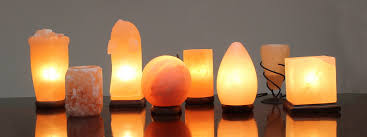
The trace minerals in Himalayan salt are believed to support hormone production, which can influence sleep and mood. Additionally, salt lamps made from Himalayan salt are said to release negative ions when heated, which may improve air quality and promote a calming environment. Although scientific backing is limited, many users find them relaxing and aesthetically pleasing.
E. pH Balance and Digestive Health
Alkalizing minerals like calcium and magnesium may help neutralize acidity in the body, promoting a balanced pH level. Some believe that consuming Himalayan salt can aid in digestion by stimulating the production of hydrochloric acid and activating salivary enzymes.
4. Culinary Uses of Himalayan Salt
Himalayan salt is prized in the culinary world for both its flavor and visual appeal. It’s available in various forms including:
Fine and coarse grains (for seasoning)
Salt blocks or slabs (used for grilling, serving, and curing foods)
Salt grinders (for fresh flavor in dishes)
The flavor is described as more rounded and less harsh than table salt, and the mineral complexity can subtly enhance a dish.
Salt Blocks for Cooking
Salt blocks can withstand high temperatures and are often used to cook or serve dishes such as grilled meats, seafood, vegetables, and even desserts. These blocks impart a gentle saltiness while retaining food moisture and adding visual elegance.
5. Decorative and Therapeutic Uses
A. Himalayan Salt Lamps
Himalayan salt is carved into lamps that emit a warm, amber glow. While their purported ability to purify air by releasing negative ions is debated, many users find them to have mood-boosting and stress-reducing effects.
B. Salt Caves and Rooms
Constructed with Himalayan salt bricks, these rooms are popular in spas and wellness centers. People visit them for halotherapy sessions, where the environment is believed to promote relaxation and respiratory wellness.
C. Bath Salts and Scrubs
Himalayan salt crystals are used in luxury bath salts and exfoliants due to their mineral content and natural exfoliating properties. They help improve skin texture, stimulate circulation, and ease muscle tension.
6. Comparison with Table Salt
Property | Himalayan Salt | Table Salt |
Color | Pink/orange | White |
Processing | Minimally processed | Highly refined |
Additives | None (unless iodized) | Often contains anti-caking agents |
Minerals | 80+ trace minerals | Mostly sodium chloride |
Taste | Mild and complex | Sharp and salty |
Table salt is often stripped of natural minerals during processing and enriched with synthetic iodine to combat iodine deficiency. On the other hand, Himalayan salt retains its natural mineral profile but typically contains less iodine than iodized salt, which may be a consideration for individuals at risk of deficiency.
7. Myths and Misconceptions
While Himalayan salt is indeed a natural and mineral-rich alternative to table salt, it is important to approach its health claims with a balanced perspective:
Myth: Himalayan salt cures diseases.
Fact: No salt, including Himalayan salt, is a cure for diseases. It may support wellness when used appropriately, but it is not a replacement for medical treatment.
Myth: You can consume large quantities safely because it’s natural.
Fact: Excess sodium from any source can lead to high blood pressure and cardiovascular issues. Himalayan salt should be consumed in moderation.
Myth: Himalayan salt has more iodine than iodized salt.
Fact: Unless specifically iodized, Himalayan salt contains only trace amounts of iodine, insufficient to meet daily needs.
8. Environmental and Ethical Considerations
Himalayan salt is mined manually with traditional methods that minimize environmental impact. However, increasing global demand raises concerns about over-extraction, exploitation of local workers, and sustainability. Consumers should look for ethically sourced and environmentally conscious suppliers whenever possible.
Himalayan salt is more than just a colorful addition to your kitchen — it’s a natural substance rich in history, minerals, and potential wellness benefits. While not a miracle cure, its holistic uses in diet, skincare, therapy, and decor make it a valuable alternative to conventional table salt. As with any natural product, the key lies in moderation, informed use, and a healthy lifestyle overall.
By understanding its true composition and uses, we can better appreciate Himalayan salt not only as a seasoning, but as a connection to Earth’s ancient oceans — and perhaps, a touch of nature’s wisdom in our modern lives.

Himalayan salt, often referred to as “pink gold,” has captivated the health and wellness industry with its mesmerizing color and alleged health benefits. Mined from ancient sea beds deep within the Himalayan mountains of Pakistan, this salt is not only a culinary marvel but also a natural source of vital minerals. Unlike the highly processed white table salt found in most homes, Himalayan salt remains closer to its natural form and contains a spectrum of trace minerals that contribute to its unique properties.
This article explores the mineral composition of Himalayan salt, its geological origins, the potential health benefits associated with its use, and its application in culinary, therapeutic, and decorative settings.
1. Origins and Geological Formation
Himalayan salt is primarily harvested from the Punjab Salt Mine, located in the Punjab region of Pakistan. This mine is believed to be the second-largest salt mine in the world and is thought to have formed over 250 million years ago during the evaporation of prehistoric bodies of water.
As the ancient oceans dried up, the salt was buried under layers of lava, snow, and ice, protecting it from modern pollutants and preserving its purity. Over the millennia, the pressure from the surrounding mountains transformed the salt crystals into dense, mineral-rich deposits.
2. Composition of Himalayan Salt
Himalayan salt is composed of about 98% sodium chloride (NaCl), similar to regular table salt. However, what makes it unique and highly valued is the remaining 2%, which includes over 80 trace minerals and elements. These minerals not only contribute to the salt's signature pink hue but are also believed to offer various health benefits.
Key Minerals Found in Himalayan Salt
Iron (Fe)
Responsible for the pink to reddish color.
Vital for blood production and oxygen transport in the body.
Calcium (Ca)
Essential for healthy bones and teeth.
Aids in muscle function and nerve signaling.
Magnesium (Mg)
Plays a role in over 300 biochemical reactions.
Important for muscle and nerve function, blood sugar control, and blood pressure regulation.
Potassium (K)
Helps regulate fluid balance and muscle contractions.
Crucial for maintaining heart health.
Zinc (Zn)
Supports immune system function.
Important for wound healing and DNA synthesis.
Phosphorus (P)
Assists in the formation of bones and teeth.
Important for energy production and storage.
Chromium (Cr)
Involved in macronutrient metabolism.
May help regulate blood sugar levels.
Sulfur (S)
Contributes to the formation of amino acids and enzymes.
Important for detoxification and cellular respiration.
Iodine (I)
Necessary for thyroid hormone production.
Supports metabolic and developmental functions.
Although these minerals are present in small amounts, their cumulative presence adds to the holistic value of Himalayan salt.
3. Health Benefits of Himalayan Salt
The mineral content of Himalayan salt has led to its use in a variety of natural remedies and wellness practices. While many of these benefits are based on anecdotal evidence and traditional practices, some are supported by scientific reasoning.
A. Electrolyte Balance
Himalayan salt contains essential electrolytes such as sodium, potassium, magnesium, and calcium, which help maintain fluid balance, support nerve function, and ensure proper muscle contractions. Consuming a small amount in water (often referred to as "sole water") is believed to help with hydration and energy levels.
B. Respiratory Health
Salt therapy, or halotherapy, involves inhaling salt-infused air in controlled environments such as salt caves or salt rooms. The fine particles of Himalayan salt are said to reduce inflammation in the lungs and improve conditions like asthma, bronchitis, and allergies. While more scientific research is needed, many users report noticeable relief from respiratory issues.
C. Skin Health
Himalayan salt is often used in bath soaks, scrubs, and soaps for its detoxifying and exfoliating effects. The minerals can draw out toxins, improve circulation, and soften the skin. Magnesium and potassium help reduce inflammation and relieve skin conditions such as eczema and psoriasis.
D. Improved Sleep and Mood
The trace minerals in Himalayan salt are believed to support hormone production, which can influence sleep and mood. Additionally, salt lamps made from Himalayan salt are said to release negative ions when heated, which may improve air quality and promote a calming environment. Although scientific backing is limited, many users find them relaxing and aesthetically pleasing.
E. pH Balance and Digestive Health
Alkalizing minerals like calcium and magnesium may help neutralize acidity in the body, promoting a balanced pH level. Some believe that consuming Himalayan salt can aid in digestion by stimulating the production of hydrochloric acid and activating salivary enzymes.
4. Culinary Uses of Himalayan Salt
Himalayan salt is prized in the culinary world for both its flavor and visual appeal. It’s available in various forms including:
Fine and coarse grains (for seasoning)
Salt blocks or slabs (used for grilling, serving, and curing foods)
Salt grinders (for fresh flavor in dishes)
The flavor is described as more rounded and less harsh than table salt, and the mineral complexity can subtly enhance a dish.
Salt Blocks for Cooking
Salt blocks can withstand high temperatures and are often used to cook or serve dishes such as grilled meats, seafood, vegetables, and even desserts. These blocks impart a gentle saltiness while retaining food moisture and adding visual elegance.
5. Decorative and Therapeutic Uses
A. Himalayan Salt Lamps
Himalayan salt is carved into lamps that emit a warm, amber glow. While their purported ability to purify air by releasing negative ions is debated, many users find them to have mood-boosting and stress-reducing effects.
B. Salt Caves and Rooms
Constructed with Himalayan salt bricks, these rooms are popular in spas and wellness centers. People visit them for halotherapy sessions, where the environment is believed to promote relaxation and respiratory wellness.
C. Bath Salts and Scrubs
Himalayan salt crystals are used in luxury bath salts and exfoliants due to their mineral content and natural exfoliating properties. They help improve skin texture, stimulate circulation, and ease muscle tension.
6. Comparison with Table Salt
Property | Himalayan Salt | Table Salt |
Color | Pink/orange | White |
Processing | Minimally processed | Highly refined |
Additives | None (unless iodized) | Often contains anti-caking agents |
Minerals | 80+ trace minerals | Mostly sodium chloride |
Taste | Mild and complex | Sharp and salty |
Table salt is often stripped of natural minerals during processing and enriched with synthetic iodine to combat iodine deficiency. On the other hand, Himalayan salt retains its natural mineral profile but typically contains less iodine than iodized salt, which may be a consideration for individuals at risk of deficiency.
7. Myths and Misconceptions
While Himalayan salt is indeed a natural and mineral-rich alternative to table salt, it is important to approach its health claims with a balanced perspective:
Myth: Himalayan salt cures diseases.
Fact: No salt, including Himalayan salt, is a cure for diseases. It may support wellness when used appropriately, but it is not a replacement for medical treatment.
Myth: You can consume large quantities safely because it’s natural.
Fact: Excess sodium from any source can lead to high blood pressure and cardiovascular issues. Himalayan salt should be consumed in moderation.
Myth: Himalayan salt has more iodine than iodized salt.
Fact: Unless specifically iodized, Himalayan salt contains only trace amounts of iodine, insufficient to meet daily needs.
8. Environmental and Ethical Considerations
Himalayan salt is mined manually with traditional methods that minimize environmental impact. However, increasing global demand raises concerns about over-extraction, exploitation of local workers, and sustainability. Consumers should look for ethically sourced and environmentally conscious suppliers whenever possible.
Himalayan salt is more than just a colorful addition to your kitchen — it’s a natural substance rich in history, minerals, and potential wellness benefits. While not a miracle cure, its holistic uses in diet, skincare, therapy, and decor make it a valuable alternative to conventional table salt. As with any natural product, the key lies in moderation, informed use, and a healthy lifestyle overall.
By understanding its true composition and uses, we can better appreciate Himalayan salt not only as a seasoning, but as a connection to Earth’s ancient oceans — and perhaps, a touch of nature’s wisdom in our modern lives.
Are you sure you want to stop following?
Loading…
Congrats! You are now a member!
Start requesting vouchers for promo codes by clicking the Request Deal buttons on products you want.
Sellers of Amazon products are required to sign in at www.amztracker.com
More information about placing your products on this site can be found here.
Are you having problems purchasing a product with the supplied voucher? If so, please contact the seller via the supplied email.
Also, please be patient. Sellers are pretty busy people and it can take awhile to respond to your emails.
After 2 days of receiving a voucher you can report the seller to us (using the same button) if you cannot resolve this issue with the seller.
For more information click here.
We have taken note and will also convey the problems to the seller on your behalf.
Usually the seller will rectify it soon, we suggest now you can remove this request from your dashboard and choose another deal.
If you love this deal most, we suggest you can try to request this deal after 2 days.
This will mark the product as purchased. The voucher will be permanently removed from your dashboard shortly after. Are you sure?
You are essentially competing with a whole lot of other buyers when requesting to purchase a product. The seller only has a limited amount of vouchers to give out too.
Select All Groups
✕
Adult Products
Arts, Crafts & Sewing
Automotive & Industrial
Beauty & Grooming
Cell Phones & Accessories
Electronics & Office
Health & Household
Home & Garden
Jewelry
Kitchen & Dining
Men's Clothing & Shoes
Pet Supplies
Sports & Outdoors
Toys, Kids & Baby
Watches
Women's Clothing & Shoes
Other
Adult Products
©Copyright 2026 Vipon All Right Reserved · Privacy Policy · Terms of Service · Do Not Sell My Personal Information
Certain content in this page comes from Amazon. The content is provided as is, and is subject
to change or removal at
any time. Amazon and the Amazon logo are trademarks of Amazon.com,
Inc. or its affiliates.
Comments