Amazon Coupons
Vipon > V Show > Performance Profiles of Cellulose vs. Cellulose-DE/Perlite Filter Sheets in Beverage Processing Share great deals & products and save together.

Performance Profiles of Cellulose vs. Cellulose-DE/Perlite Filter Sheets in Beverage Processing

2025-07-17 01:32:54
Report


Depth filtration is an essential process in the food and beverage industry, especially when it comes to achieving crystal clarity, removing particulates, and ensuring microbial stability in wine, beer, fruit juices, syrups, and more. Two of the most commonly used types of depth filter sheets are standard cellulose-based pads and enhanced cellulose pads infused with diatomaceous earth (DE) or perlite. While both serve the same primary purpose, clarifying and polishing liquid products, their performance varies depending on application requirements, filtration goals, and operational conditions.

Understanding the differences between pure cellulose media and those containing filter aids like DE or perlite can help manufacturers select the most effective solution for their process.

Standard Cellulose Depth Filter Sheets: Clean and Reusable

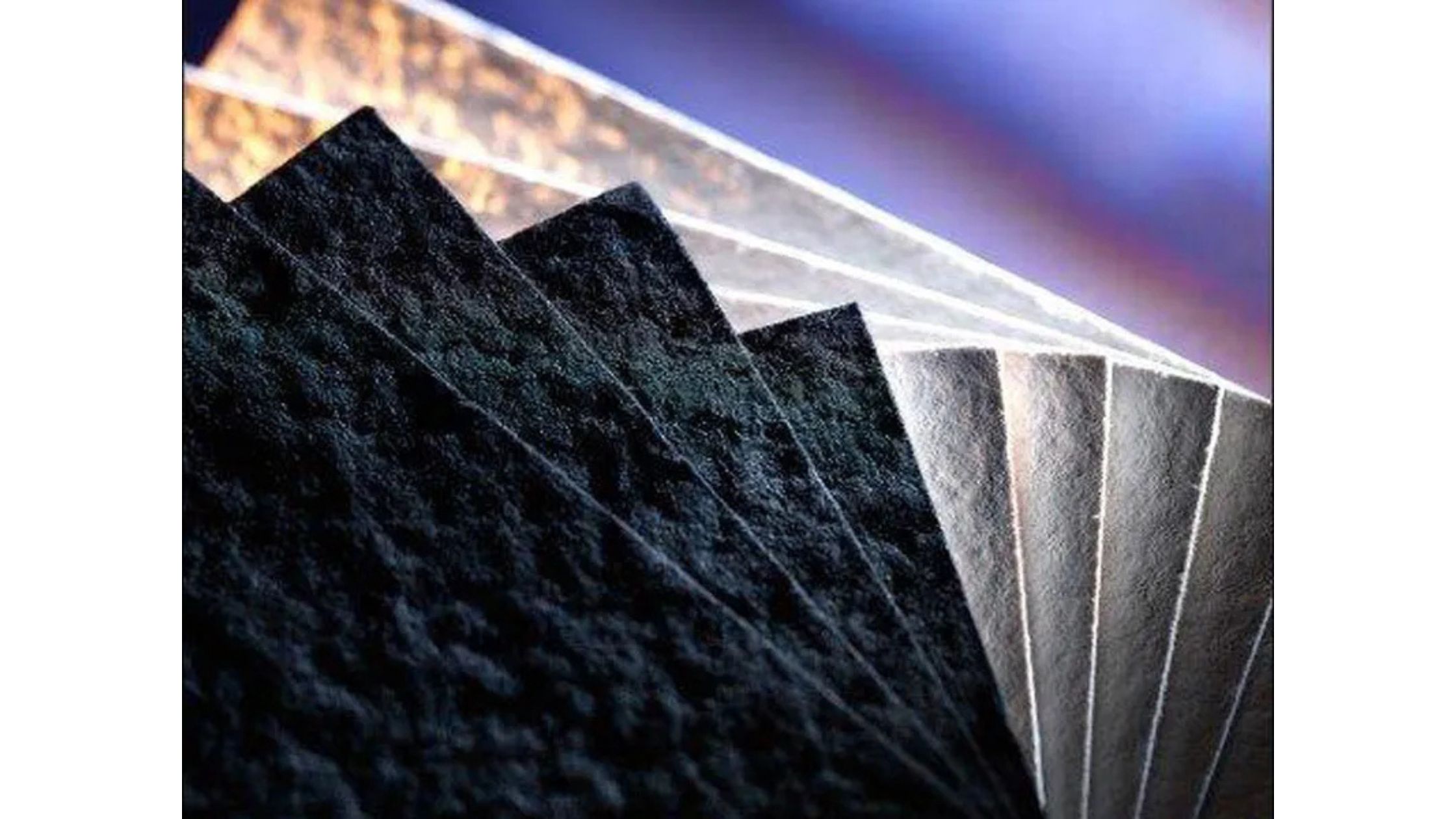
Standard cellulose-based depth filter media, such as Beco’s Becopad, are composed entirely of pure cellulose fibers. These sheets are typically chosen for their low extractables, high purity, and chemical compatibility. Because they do not contain resins or binding agents, they are often preferred in processes that require minimal contamination risk or where preservation of flavor and aroma is a priority.

Key benefits include:

  • High chemical resistance (acids, bases, and cleaning agents)

  • Low particle shedding and minimal taste impact

  • Reusability in some applications (e.g., wine or high-clarity water)

  • Excellent for applications where minimal leachables are important

Standard cellulose filter sheets perform particularly well in polishing filtration steps, where the product is already fairly clean, and the focus is on final clarity or microbial stabilization.

Cellulose-DE/Perlite Media: Maximum Loading Capacity

Ertel‑Alsop micro‑media pads take depth filtration to another level by incorporating natural filter aids like diatomaceous earth or perlite into the cellulose matrix. These additives dramatically improve the holding capacity of the sheet and help capture smaller particulates, including haze-forming proteins and yeast.

Advantages of DE/perlite-enhanced filter sheets:

  • Superior dirt-holding capacity

  • Higher filtration throughput per sheet

  • Greater depth for particle entrapment

  • Available in ultra-fine retention ratings as low as 0.1 microns

This makes them ideal for high-solid loads and pre-filtration steps in beer or juice processing, where haze, sediments, or pulp must be effectively removed before bottling or secondary filtration. The internal structure of the media, interlaced cellulose and granular DE/perlite, provides a tortuous path that traps particles through mechanical and adsorptive means.

Comparing Performance Metrics

Feature

Standard Cellulose Sheets

Cellulose-DE/Perlite Sheets

Retention Rating

0.8 to 10 µm

0.1 to 15 µm

Loading Capacity

Moderate

High

Chemical Resistance

Excellent

Very Good

Extractables

Minimal

Slightly Higher (due to DE)

Best Use Case

Polishing, Final Filter

Pre-filtration, High Solids

Taste/Color Sensitivity

Neutral

May slightly influence taste

Cleanability/Reusability

Reusable in some cases

Generally single-use

Application Considerations

Choosing between these two types of depth filter media depends on several factors:

  1. Clarity Requirements – If your goal is to achieve brilliant clarity for high-end wine or spirits, cellulose-only pads may be sufficient. For cloudy juices or fermenting beers, DE/perlite sheets provide better haze removal.

  2. Flavor Sensitivity – Cellulose sheets are ideal where preservation of organoleptic properties (taste, aroma, mouthfeel) is critical, as they introduce fewer variables to the process.

  3. Batch Size and Solids Content – Larger batches with heavier solids loads will benefit from the higher dirt-holding capacity of DE/perlite filters, reducing change-outs and downtime.

  4. Regulatory Needs – Both sheet types are manufactured in compliance with food-grade regulations (FDA CFR Title 21, EC 1935/2004) and often under ISO-certified cleanroom conditions.

The End Note!

Both standard cellulose and cellulose-DE/perlite depth filter sheets serve valuable functions in beverage and food production, but their effectiveness depends on the specific processing demands. While pure cellulose sheets offer clean and repeatable performance with minimal impact on product flavor, DE/perlite-enhanced media provide robust solids retention and high throughput capabilities. For producers seeking application-specific guidance or high-quality depth filtration solutions, Separation Technologies, Inc. offers a range of expertly engineered depth filter media tailored to meet the demanding requirements of the modern beverage industry.

Performance Profiles of Cellulose vs. Cellulose-DE/Perlite Filter Sheets in Beverage Processing

161
2025-07-17 01:32:54


Depth filtration is an essential process in the food and beverage industry, especially when it comes to achieving crystal clarity, removing particulates, and ensuring microbial stability in wine, beer, fruit juices, syrups, and more. Two of the most commonly used types of depth filter sheets are standard cellulose-based pads and enhanced cellulose pads infused with diatomaceous earth (DE) or perlite. While both serve the same primary purpose, clarifying and polishing liquid products, their performance varies depending on application requirements, filtration goals, and operational conditions.

Understanding the differences between pure cellulose media and those containing filter aids like DE or perlite can help manufacturers select the most effective solution for their process.

Standard Cellulose Depth Filter Sheets: Clean and Reusable

Standard cellulose-based depth filter media, such as Beco’s Becopad, are composed entirely of pure cellulose fibers. These sheets are typically chosen for their low extractables, high purity, and chemical compatibility. Because they do not contain resins or binding agents, they are often preferred in processes that require minimal contamination risk or where preservation of flavor and aroma is a priority.

Key benefits include:

  • High chemical resistance (acids, bases, and cleaning agents)

  • Low particle shedding and minimal taste impact

  • Reusability in some applications (e.g., wine or high-clarity water)

  • Excellent for applications where minimal leachables are important

Standard cellulose filter sheets perform particularly well in polishing filtration steps, where the product is already fairly clean, and the focus is on final clarity or microbial stabilization.

Cellulose-DE/Perlite Media: Maximum Loading Capacity

Ertel‑Alsop micro‑media pads take depth filtration to another level by incorporating natural filter aids like diatomaceous earth or perlite into the cellulose matrix. These additives dramatically improve the holding capacity of the sheet and help capture smaller particulates, including haze-forming proteins and yeast.

Advantages of DE/perlite-enhanced filter sheets:

  • Superior dirt-holding capacity

  • Higher filtration throughput per sheet

  • Greater depth for particle entrapment

  • Available in ultra-fine retention ratings as low as 0.1 microns

This makes them ideal for high-solid loads and pre-filtration steps in beer or juice processing, where haze, sediments, or pulp must be effectively removed before bottling or secondary filtration. The internal structure of the media, interlaced cellulose and granular DE/perlite, provides a tortuous path that traps particles through mechanical and adsorptive means.

Comparing Performance Metrics

Feature

Standard Cellulose Sheets

Cellulose-DE/Perlite Sheets

Retention Rating

0.8 to 10 µm

0.1 to 15 µm

Loading Capacity

Moderate

High

Chemical Resistance

Excellent

Very Good

Extractables

Minimal

Slightly Higher (due to DE)

Best Use Case

Polishing, Final Filter

Pre-filtration, High Solids

Taste/Color Sensitivity

Neutral

May slightly influence taste

Cleanability/Reusability

Reusable in some cases

Generally single-use

Application Considerations

Choosing between these two types of depth filter media depends on several factors:

  1. Clarity Requirements – If your goal is to achieve brilliant clarity for high-end wine or spirits, cellulose-only pads may be sufficient. For cloudy juices or fermenting beers, DE/perlite sheets provide better haze removal.

  2. Flavor Sensitivity – Cellulose sheets are ideal where preservation of organoleptic properties (taste, aroma, mouthfeel) is critical, as they introduce fewer variables to the process.

  3. Batch Size and Solids Content – Larger batches with heavier solids loads will benefit from the higher dirt-holding capacity of DE/perlite filters, reducing change-outs and downtime.

  4. Regulatory Needs – Both sheet types are manufactured in compliance with food-grade regulations (FDA CFR Title 21, EC 1935/2004) and often under ISO-certified cleanroom conditions.

The End Note!

Both standard cellulose and cellulose-DE/perlite depth filter sheets serve valuable functions in beverage and food production, but their effectiveness depends on the specific processing demands. While pure cellulose sheets offer clean and repeatable performance with minimal impact on product flavor, DE/perlite-enhanced media provide robust solids retention and high throughput capabilities. For producers seeking application-specific guidance or high-quality depth filtration solutions, Separation Technologies, Inc. offers a range of expertly engineered depth filter media tailored to meet the demanding requirements of the modern beverage industry.

Comments

Recommended

How Does Wine Filtration Affect Taste, Aroma, and Clarity?
separationtechnologies
11
Wearable Technology Market Global Expansion and Business Opportunities 2026-2034
V_7A2SDFJO
48
Surgical Instrument Tracking Systems Market Technological Advancements and Market Expansion 2026-203
V_7A2SDFJO
43
Download Vipon App to get great deals now!
...
Amazon Coupons Loading…