Amazon Coupons
Vipon > V Show > Whirling Machine Technology: Essential Testing for Rotating Components Share great deals & products and save together.

Whirling Machine Technology: Essential Testing for Rotating Components

2025-10-01 03:26:04
Report


Engineers working with rotating machinery face a critical challenge: how do you predict component failure before it happens in the field? The answer lies in specialized testing equipment that can simulate real-world rotational forces under controlled laboratory conditions.

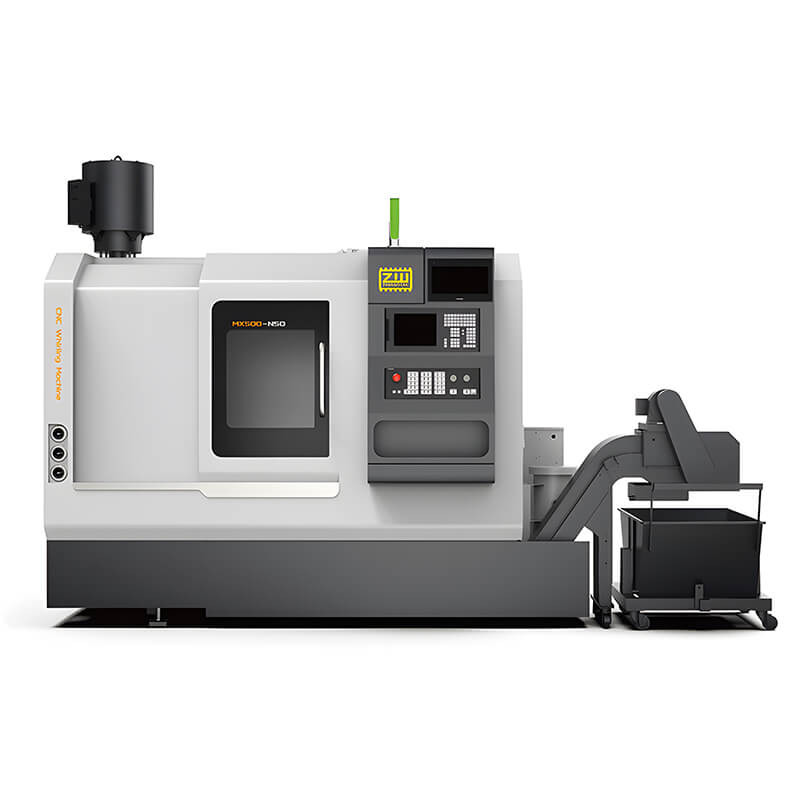
A Whirling Machine represents one of the most sophisticated solutions for this challenge. These precision testing devices subject components to controlled rotational motion while measuring their response to centrifugal forces, helping engineers identify potential failure points before components reach actual service environments.

For industries where rotating component failure can result in catastrophic consequences—aerospace, automotive, and heavy manufacturing—whirling machine testing has become an indispensable part of the development and quality assurance process.

Understanding Whirling Machine Fundamentals

The core principle behind whirling machine operation involves mounting a test specimen on a rotating shaft and gradually increasing rotational speed while monitoring the component's behavior. As the machine spins, sophisticated sensor arrays capture data on vibration patterns, deflection measurements, temperature changes, and stress levels.

Modern whirling machines feature computerized control systems that execute complex testing protocols automatically. This automation ensures consistent and repeatable results across multiple test cycles, eliminating human error and improving data reliability.

Safety remains paramount in whirling machine design. Emergency stops, protective enclosures, and automatic shutdown mechanisms protect both operators and equipment when abnormal conditions are detected. The testing chamber typically includes reinforced walls to contain debris if component failure occurs during high-speed testing.

Critical Components That Make Testing Possible

Advanced Drive Systems

The drive system forms the foundation of any effective whirling machine. Variable frequency electric motors provide precise speed control across wide operating ranges, allowing engineers to test components at exactly the rotational speeds they'll encounter in service. High-end machines often incorporate multiple drive options to accommodate different testing scenarios.

Precision Measurement Technology

Sensor technology has transformed whirling machine capabilities. Accelerometers capture vibration signatures that reveal component weaknesses. Strain gauges monitor stress distribution patterns. Displacement sensors track how components deflect under rotational forces. Temperature monitoring ensures thermal conditions remain within acceptable parameters throughout testing cycles.

Data Acquisition and Analysis

Modern whirling machines integrate sophisticated data acquisition systems capable of recording thousands of measurements per second. This massive data collection feeds into analysis software that identifies trends, predicts failure points, and generates comprehensive testing reports that guide design decisions.

Industry Applications Driving Innovation

Aerospace Component Validation

Aircraft engines contain numerous rotating components that must withstand extreme operational conditions. Whirling machines test turbine blades, compressor wheels, and shaft assemblies to ensure they can handle the centrifugal forces encountered during flight operations. The stakes couldn't be higher—component failure in aerospace applications can result in loss of life and aircraft.

Automotive Manufacturing Excellence

Car manufacturers rely on whirling machine testing for engine components, transmission parts, and wheel assemblies. Crankshafts undergo rigorous testing to verify they can withstand years of engine operation. Connecting rods face similar scrutiny. Even brake rotors require validation to ensure they won't fail under emergency braking conditions.

Quality Control Integration

Production facilities integrate whirling machines into their quality assurance processes through statistical sampling programs. Testing representative components from production runs helps identify potential defects before products reach customers, reducing warranty claims and protecting brand reputation.

Whirling Machine Configurations

Horizontal Testing Machines

Horizontal whirling machines orient test specimens horizontally, making them ideal for testing long shafts or components where gravity effects need minimization. The horizontal configuration also simplifies specimen mounting procedures and allows for easier observation during testing cycles.

Vertical Configuration Benefits

Vertical orientation machines excel when testing components that will operate in similar orientations during actual service. These machines often require less floor space and can accommodate larger diameter specimens, making them popular choices for facilities with space constraints.

Flexible Shaft Specialists

Specialized whirling machines designed specifically for flexible shaft testing can simulate the complex dynamics that occur when rotating shafts operate near their critical speeds. These machines address unique testing challenges that standard configurations cannot handle effectively.

Measurable Benefits of Whirling Machine Testing

Testing components with whirling machines offers significant advantages over alternative evaluation methods. Engineers can observe component behavior under controlled conditions that closely replicate real-world operating environments. This controlled testing approach identifies potential problems before they cause expensive failures in service applications.

The ability to gradually increase rotational speeds allows researchers to map component response across entire operating ranges. This comprehensive data helps establish safe operating limits and optimal design parameters that maximize component life while maintaining safety margins.

Cost savings represent another compelling benefit. Identifying design flaws during the development phase costs significantly less than addressing field failures after product launch. Insurance companies and regulatory agencies often require whirling machine test data before approving certain applications, making this testing essential for market access.

Strategic Equipment Selection Considerations

Several critical factors influence whirling machine selection decisions. Maximum rotational speed requirements must align with intended test applications. Some components require testing at speeds exceeding 100,000 RPM, while others operate at much lower frequencies.

Physical size constraints also matter significantly. The machine must accommodate the largest anticipated specimens while fitting within available laboratory space. Weight capacity becomes important when testing heavy components like large rotors or complete engine assemblies.

Budget considerations extend beyond initial purchase price to include ongoing maintenance costs, calibration requirements, and operator training expenses. Energy consumption can be substantial for machines operating at high speeds for extended periods, affecting long-term operational costs.

Making Testing Investment Decisions

Whirling machines represent essential tools for organizations involved in rotating machinery design, manufacturing, or maintenance. These sophisticated testing systems provide the critical data needed to create safer, more reliable products while reducing development costs and accelerating time-to-market.

Organizations considering whirling machine acquisition should carefully evaluate their specific testing requirements, available space, and budget constraints. Consulting with equipment manufacturers and reviewing case studies from similar applications can provide valuable insights for informed purchasing decisions.

The investment in proper testing equipment delivers measurable returns through improved product quality, reduced warranty costs, and enhanced customer satisfaction. As rotating machinery becomes increasingly complex and operates at higher speeds, the role of whirling machines in ensuring safety and reliability continues expanding across industries.

Whirling Machine Technology: Essential Testing for Rotating Components

74
2025-10-01 03:26:04


Engineers working with rotating machinery face a critical challenge: how do you predict component failure before it happens in the field? The answer lies in specialized testing equipment that can simulate real-world rotational forces under controlled laboratory conditions.

A Whirling Machine represents one of the most sophisticated solutions for this challenge. These precision testing devices subject components to controlled rotational motion while measuring their response to centrifugal forces, helping engineers identify potential failure points before components reach actual service environments.

For industries where rotating component failure can result in catastrophic consequences—aerospace, automotive, and heavy manufacturing—whirling machine testing has become an indispensable part of the development and quality assurance process.

Understanding Whirling Machine Fundamentals

The core principle behind whirling machine operation involves mounting a test specimen on a rotating shaft and gradually increasing rotational speed while monitoring the component's behavior. As the machine spins, sophisticated sensor arrays capture data on vibration patterns, deflection measurements, temperature changes, and stress levels.

Modern whirling machines feature computerized control systems that execute complex testing protocols automatically. This automation ensures consistent and repeatable results across multiple test cycles, eliminating human error and improving data reliability.

Safety remains paramount in whirling machine design. Emergency stops, protective enclosures, and automatic shutdown mechanisms protect both operators and equipment when abnormal conditions are detected. The testing chamber typically includes reinforced walls to contain debris if component failure occurs during high-speed testing.

Critical Components That Make Testing Possible

Advanced Drive Systems

The drive system forms the foundation of any effective whirling machine. Variable frequency electric motors provide precise speed control across wide operating ranges, allowing engineers to test components at exactly the rotational speeds they'll encounter in service. High-end machines often incorporate multiple drive options to accommodate different testing scenarios.

Precision Measurement Technology

Sensor technology has transformed whirling machine capabilities. Accelerometers capture vibration signatures that reveal component weaknesses. Strain gauges monitor stress distribution patterns. Displacement sensors track how components deflect under rotational forces. Temperature monitoring ensures thermal conditions remain within acceptable parameters throughout testing cycles.

Data Acquisition and Analysis

Modern whirling machines integrate sophisticated data acquisition systems capable of recording thousands of measurements per second. This massive data collection feeds into analysis software that identifies trends, predicts failure points, and generates comprehensive testing reports that guide design decisions.

Industry Applications Driving Innovation

Aerospace Component Validation

Aircraft engines contain numerous rotating components that must withstand extreme operational conditions. Whirling machines test turbine blades, compressor wheels, and shaft assemblies to ensure they can handle the centrifugal forces encountered during flight operations. The stakes couldn't be higher—component failure in aerospace applications can result in loss of life and aircraft.

Automotive Manufacturing Excellence

Car manufacturers rely on whirling machine testing for engine components, transmission parts, and wheel assemblies. Crankshafts undergo rigorous testing to verify they can withstand years of engine operation. Connecting rods face similar scrutiny. Even brake rotors require validation to ensure they won't fail under emergency braking conditions.

Quality Control Integration

Production facilities integrate whirling machines into their quality assurance processes through statistical sampling programs. Testing representative components from production runs helps identify potential defects before products reach customers, reducing warranty claims and protecting brand reputation.

Whirling Machine Configurations

Horizontal Testing Machines

Horizontal whirling machines orient test specimens horizontally, making them ideal for testing long shafts or components where gravity effects need minimization. The horizontal configuration also simplifies specimen mounting procedures and allows for easier observation during testing cycles.

Vertical Configuration Benefits

Vertical orientation machines excel when testing components that will operate in similar orientations during actual service. These machines often require less floor space and can accommodate larger diameter specimens, making them popular choices for facilities with space constraints.

Flexible Shaft Specialists

Specialized whirling machines designed specifically for flexible shaft testing can simulate the complex dynamics that occur when rotating shafts operate near their critical speeds. These machines address unique testing challenges that standard configurations cannot handle effectively.

Measurable Benefits of Whirling Machine Testing

Testing components with whirling machines offers significant advantages over alternative evaluation methods. Engineers can observe component behavior under controlled conditions that closely replicate real-world operating environments. This controlled testing approach identifies potential problems before they cause expensive failures in service applications.

The ability to gradually increase rotational speeds allows researchers to map component response across entire operating ranges. This comprehensive data helps establish safe operating limits and optimal design parameters that maximize component life while maintaining safety margins.

Cost savings represent another compelling benefit. Identifying design flaws during the development phase costs significantly less than addressing field failures after product launch. Insurance companies and regulatory agencies often require whirling machine test data before approving certain applications, making this testing essential for market access.

Strategic Equipment Selection Considerations

Several critical factors influence whirling machine selection decisions. Maximum rotational speed requirements must align with intended test applications. Some components require testing at speeds exceeding 100,000 RPM, while others operate at much lower frequencies.

Physical size constraints also matter significantly. The machine must accommodate the largest anticipated specimens while fitting within available laboratory space. Weight capacity becomes important when testing heavy components like large rotors or complete engine assemblies.

Budget considerations extend beyond initial purchase price to include ongoing maintenance costs, calibration requirements, and operator training expenses. Energy consumption can be substantial for machines operating at high speeds for extended periods, affecting long-term operational costs.

Making Testing Investment Decisions

Whirling machines represent essential tools for organizations involved in rotating machinery design, manufacturing, or maintenance. These sophisticated testing systems provide the critical data needed to create safer, more reliable products while reducing development costs and accelerating time-to-market.

Organizations considering whirling machine acquisition should carefully evaluate their specific testing requirements, available space, and budget constraints. Consulting with equipment manufacturers and reviewing case studies from similar applications can provide valuable insights for informed purchasing decisions.

The investment in proper testing equipment delivers measurable returns through improved product quality, reduced warranty costs, and enhanced customer satisfaction. As rotating machinery becomes increasingly complex and operates at higher speeds, the role of whirling machines in ensuring safety and reliability continues expanding across industries.

Comments

Recommended

The 2026 Professional Guide to Vehicle Graphics and Brand Authority
VIPON_241681761076
91
Finding Your Perfect Cannabis Store: Online vs. Local Shopping
VIPON_241681761076
62
Farmacias en Línea Legítimas en México: Una Alternativa Confiable y Segura
VIPON_241681761076
34
Download Vipon App to get great deals now!
...
Amazon Coupons Loading…