Amazon Coupons
Vipon > V Show > Wafer Process Boat: Essential Equipment for Semiconductor Manufacturing Efficiency Share great deals & products and save together.

Wafer Process Boat: Essential Equipment for Semiconductor Manufacturing Efficiency

2025-10-11 07:09:23
Report


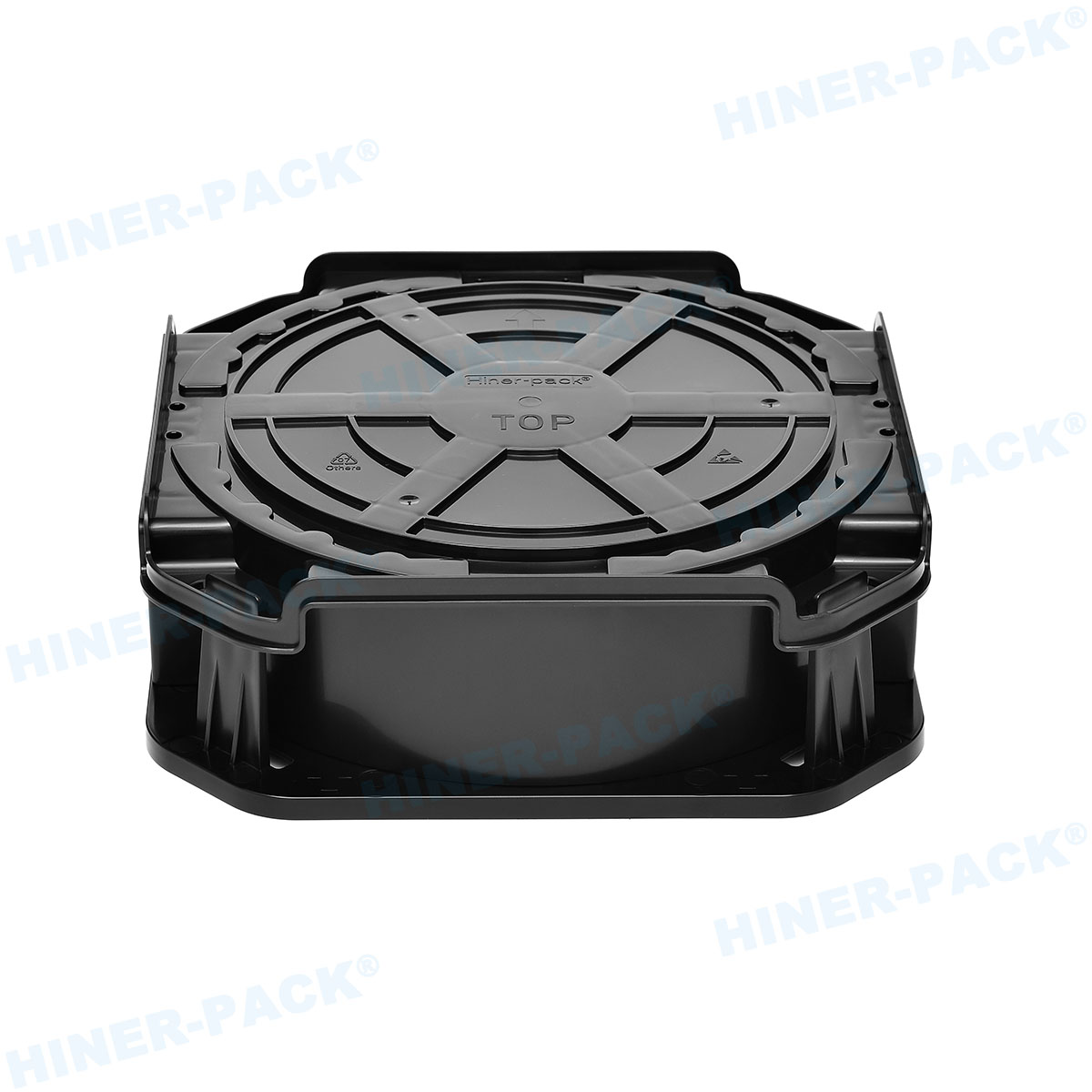
A wafer process boat is a precision-engineered carrier designed to hold and support silicon wafers during various stages of semiconductor manufacturing, including cleaning, oxidation, diffusion, and annealing. As wafers are the foundation for integrated circuits and microchips, their handling requires extreme precision, stability, and cleanliness. The wafer process boat ensures wafers remain properly aligned and protected throughout high-temperature and chemical processes, reducing contamination and mechanical stress. This makes it one of the most important tools in modern semiconductor production lines, where accuracy and yield are critical.

Understanding the Purpose of a Wafer Process Boat

In semiconductor fabrication, wafers go through multiple steps, such as thin-film deposition, oxidation, diffusion, and etching. Each of these stages requires wafers to be securely held and positioned within a processing furnace or chemical bath. A wafer process boat provides the stable support needed to ensure even exposure to temperature and chemical treatment while preventing contact damage or warping.

Typically made from high-purity materials such as quartz, silicon carbide (SiC), or polyether ether ketone (PEEK), wafer process boats are designed to withstand extreme conditions, including high temperatures exceeding 1,000°C and exposure to corrosive chemicals. The material selection ensures chemical resistance, low particle emission, and dimensional stability, which are vital for maintaining cleanroom standards and process uniformity.

These boats are precisely shaped to hold multiple wafers at equal spacing, ensuring uniform airflow, temperature distribution, and gas flow during processing. As a result, all wafers within the batch receive consistent treatment, improving product quality and minimizing defects.

Key Features and Design Characteristics

Wafer process boats are engineered with specific features that align with the semiconductor industry’s stringent standards for precision, durability, and cleanliness. Some key features include:

  • High-Temperature Resistance: Constructed from materials like quartz or SiC that can tolerate temperatures up to 1,200°C without deformation.

  • Chemical Stability: Resistant to acids, alkalis, and gases used in wafer cleaning and oxidation processes.

  • Cleanroom Compatibility: Manufactured in contamination-free environments to meet ISO Class 5 or better standards.

  • Precision Alignment: Holds wafers in uniformly spaced slots to maintain consistent processing and prevent edge chipping.

  • Smooth Surfaces: Minimizes particle adhesion, reducing contamination risks.

  • Custom Configurations: Available for different wafer sizes such as 6-inch, 8-inch, and 12-inch, and can be designed to fit various furnace types and automation systems.

Some modern wafer process boats also integrate with robotic wafer handling systems, ensuring automated loading and unloading for increased throughput and reduced manual handling errors.

Applications in Semiconductor Manufacturing

The wafer process boat plays a vital role in several key semiconductor manufacturing processes:

  • Oxidation: During thermal oxidation, the boat holds wafers in a furnace where silicon dioxide layers are formed on their surfaces.

  • Diffusion: Used in high-temperature furnaces to introduce dopants into wafers, modifying their electrical properties.

  • Annealing: Supports wafers as they are heated to repair crystal damage or activate dopants.

  • Chemical Cleaning: Keeps wafers securely separated while submerged in chemical baths for surface cleaning.

  • Deposition Processes: Ensures wafers remain stable during thin-film or epitaxial layer deposition.

The wafer process boat ensures that wafers remain stable, evenly spaced, and uncontaminated during each of these stages, which directly contributes to product reliability and yield.

Advantages of Using Wafer Process Boats

The benefits of wafer process boats extend beyond mechanical support—they enhance efficiency, product consistency, and safety throughout semiconductor production:

  • Uniform Processing: Equal wafer spacing ensures even gas and heat flow.

  • Reduced Contamination: Non-reactive materials prevent impurities from entering wafer surfaces.

  • Long-Term Durability: Resistant to heat, corrosion, and wear for extended service life.

  • Improved Yield: Reduces wafer breakage, deformation, and contamination-related defects.

  • Compatibility with Automation: Supports robotic wafer transfer, increasing production throughput.

  • Easy Maintenance: Smooth, non-porous surfaces simplify cleaning and reduce particle buildup.

By minimizing wafer damage and maintaining uniformity, wafer process boats contribute to higher operational efficiency and lower overall production costs.

Material Innovation and Quality Assurance

Manufacturers of wafer process boats follow strict quality control procedures to meet global semiconductor standards. Advanced manufacturing techniques like CNC machining and precision molding ensure dimensional accuracy. Each boat undergoes thermal shock testing, contamination checks, and alignment verification before delivery.

Quartz boats, in particular, are favored for oxidation and diffusion due to their purity and resistance to thermal expansion. Meanwhile, silicon carbide and PEEK boats are preferred for processes requiring mechanical strength and chemical resistance. Some boats also feature hybrid designs that combine materials for optimal performance in specific processes.

Conclusion

A wafer process boat is an indispensable tool in semiconductor manufacturing, ensuring that wafers are handled safely, precisely, and efficiently through critical process stages. By maintaining uniform spacing, thermal stability, and chemical resistance, these boats help achieve consistent results and minimize contamination risks. As the demand for advanced semiconductors continues to grow, the technology behind wafer process boats is evolving to support higher automation, improved materials, and tighter process control. Durable, cleanroom-ready, and precision-engineered, wafer process boats remain the backbone of reliable wafer processing and high-yield semiconductor production worldwide.

Wafer Process Boat: Essential Equipment for Semiconductor Manufacturing Efficiency

102
2025-10-11 07:09:23


A wafer process boat is a precision-engineered carrier designed to hold and support silicon wafers during various stages of semiconductor manufacturing, including cleaning, oxidation, diffusion, and annealing. As wafers are the foundation for integrated circuits and microchips, their handling requires extreme precision, stability, and cleanliness. The wafer process boat ensures wafers remain properly aligned and protected throughout high-temperature and chemical processes, reducing contamination and mechanical stress. This makes it one of the most important tools in modern semiconductor production lines, where accuracy and yield are critical.

Understanding the Purpose of a Wafer Process Boat

In semiconductor fabrication, wafers go through multiple steps, such as thin-film deposition, oxidation, diffusion, and etching. Each of these stages requires wafers to be securely held and positioned within a processing furnace or chemical bath. A wafer process boat provides the stable support needed to ensure even exposure to temperature and chemical treatment while preventing contact damage or warping.

Typically made from high-purity materials such as quartz, silicon carbide (SiC), or polyether ether ketone (PEEK), wafer process boats are designed to withstand extreme conditions, including high temperatures exceeding 1,000°C and exposure to corrosive chemicals. The material selection ensures chemical resistance, low particle emission, and dimensional stability, which are vital for maintaining cleanroom standards and process uniformity.

These boats are precisely shaped to hold multiple wafers at equal spacing, ensuring uniform airflow, temperature distribution, and gas flow during processing. As a result, all wafers within the batch receive consistent treatment, improving product quality and minimizing defects.

Key Features and Design Characteristics

Wafer process boats are engineered with specific features that align with the semiconductor industry’s stringent standards for precision, durability, and cleanliness. Some key features include:

  • High-Temperature Resistance: Constructed from materials like quartz or SiC that can tolerate temperatures up to 1,200°C without deformation.

  • Chemical Stability: Resistant to acids, alkalis, and gases used in wafer cleaning and oxidation processes.

  • Cleanroom Compatibility: Manufactured in contamination-free environments to meet ISO Class 5 or better standards.

  • Precision Alignment: Holds wafers in uniformly spaced slots to maintain consistent processing and prevent edge chipping.

  • Smooth Surfaces: Minimizes particle adhesion, reducing contamination risks.

  • Custom Configurations: Available for different wafer sizes such as 6-inch, 8-inch, and 12-inch, and can be designed to fit various furnace types and automation systems.

Some modern wafer process boats also integrate with robotic wafer handling systems, ensuring automated loading and unloading for increased throughput and reduced manual handling errors.

Applications in Semiconductor Manufacturing

The wafer process boat plays a vital role in several key semiconductor manufacturing processes:

  • Oxidation: During thermal oxidation, the boat holds wafers in a furnace where silicon dioxide layers are formed on their surfaces.

  • Diffusion: Used in high-temperature furnaces to introduce dopants into wafers, modifying their electrical properties.

  • Annealing: Supports wafers as they are heated to repair crystal damage or activate dopants.

  • Chemical Cleaning: Keeps wafers securely separated while submerged in chemical baths for surface cleaning.

  • Deposition Processes: Ensures wafers remain stable during thin-film or epitaxial layer deposition.

The wafer process boat ensures that wafers remain stable, evenly spaced, and uncontaminated during each of these stages, which directly contributes to product reliability and yield.

Advantages of Using Wafer Process Boats

The benefits of wafer process boats extend beyond mechanical support—they enhance efficiency, product consistency, and safety throughout semiconductor production:

  • Uniform Processing: Equal wafer spacing ensures even gas and heat flow.

  • Reduced Contamination: Non-reactive materials prevent impurities from entering wafer surfaces.

  • Long-Term Durability: Resistant to heat, corrosion, and wear for extended service life.

  • Improved Yield: Reduces wafer breakage, deformation, and contamination-related defects.

  • Compatibility with Automation: Supports robotic wafer transfer, increasing production throughput.

  • Easy Maintenance: Smooth, non-porous surfaces simplify cleaning and reduce particle buildup.

By minimizing wafer damage and maintaining uniformity, wafer process boats contribute to higher operational efficiency and lower overall production costs.

Material Innovation and Quality Assurance

Manufacturers of wafer process boats follow strict quality control procedures to meet global semiconductor standards. Advanced manufacturing techniques like CNC machining and precision molding ensure dimensional accuracy. Each boat undergoes thermal shock testing, contamination checks, and alignment verification before delivery.

Quartz boats, in particular, are favored for oxidation and diffusion due to their purity and resistance to thermal expansion. Meanwhile, silicon carbide and PEEK boats are preferred for processes requiring mechanical strength and chemical resistance. Some boats also feature hybrid designs that combine materials for optimal performance in specific processes.

Conclusion

A wafer process boat is an indispensable tool in semiconductor manufacturing, ensuring that wafers are handled safely, precisely, and efficiently through critical process stages. By maintaining uniform spacing, thermal stability, and chemical resistance, these boats help achieve consistent results and minimize contamination risks. As the demand for advanced semiconductors continues to grow, the technology behind wafer process boats is evolving to support higher automation, improved materials, and tighter process control. Durable, cleanroom-ready, and precision-engineered, wafer process boats remain the backbone of reliable wafer processing and high-yield semiconductor production worldwide.

Comments

Recommended

Reliable and Professional Laptop Repair Services in Belgrade
VIPON_521698037099
143
Why Fashion’s $2.5 Trillion Industry Could Make Wear-to-Earn the Biggest Web3 Trend Yet
VIPON_521698037099
156
Pioneering the Future of Machinery: Power Fab’s Mission to Cut Emissions and Boost Innovation
VIPON_521698037099
89
Download Vipon App to get great deals now!
...
Amazon Coupons Loading…