Exclusive
To get our best deals and discounts Subscribe Below!
Continue As A Guest
Continue As A Guest
Updata
Hey! Thank you so much for your support and quality posts for V Show!
And congratulations on becoming our Vipon Associated Editor.
From now on, in addition to getting 10 points for each post (up to 30 points daily), we will regularly review each of your articles, and each approved article (tagged with Featured label) will be paid an additional $50.
Note: Not all articles you posted will get $50, only those that meet our requirements will be paid, and articles or contents that do not meet the requirements will be removed.
Please continue to produce high quality content for organic likes. Our shoppers love seeing your stories & posts!
Congratulations! Your V SHOW post Planting Tips has become our Featured content, we will pay $50 for this post. Please check on your balance. Please continue to produce high quality original content!

The concept of human energy chakras has been a central part of various ancient spiritual traditions for thousands of years. Chakras, which are considered to be energy centers within the body, play a significant role in promoting physical, emotional, and spiritual well-being. In this blog, you will explore what you need to know about human energy chakras, their significance, and how you can work with them to enhance your overall quality of life.
1. Understanding the Basics:
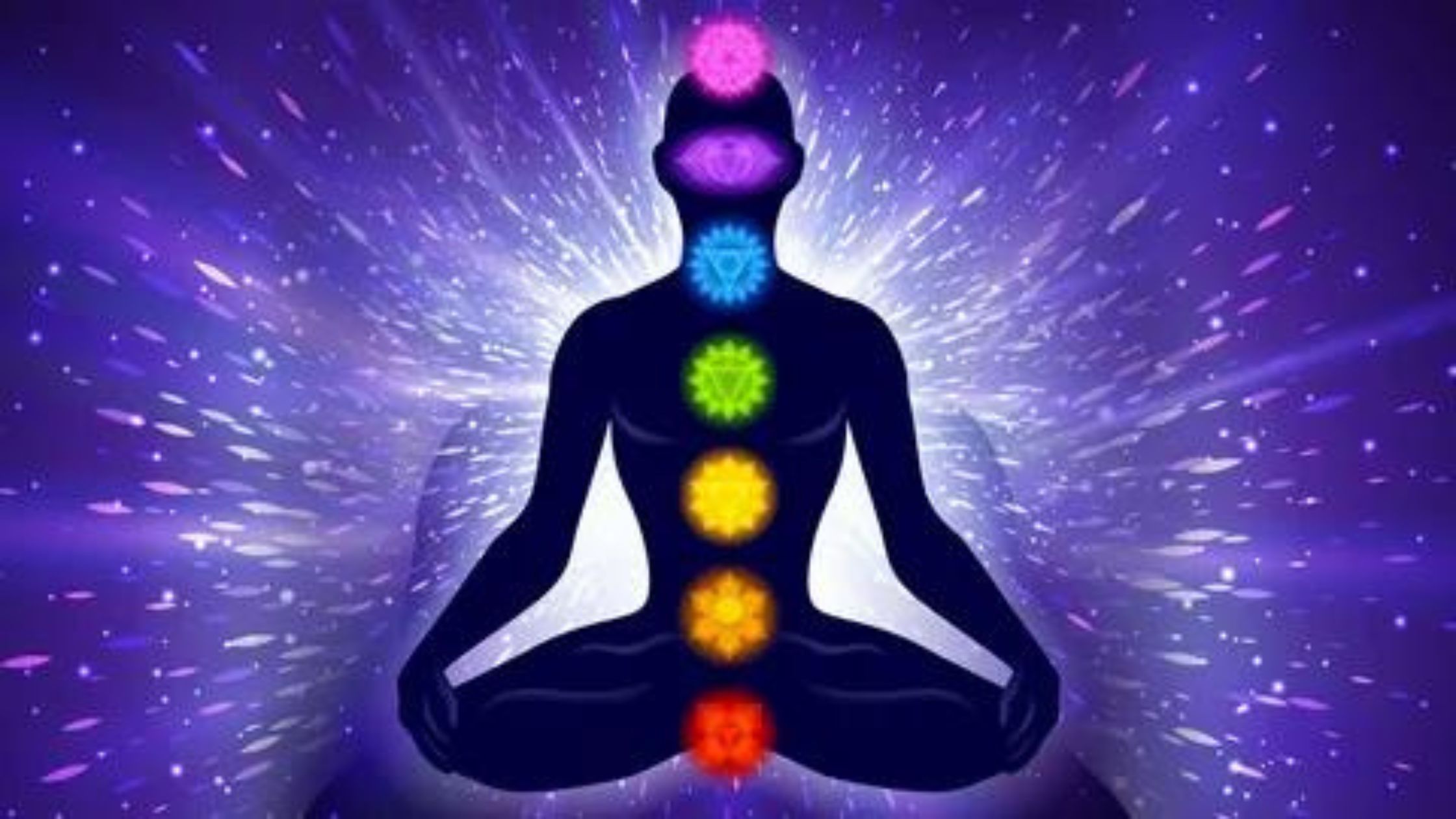
Chakras, a term derived from Sanskrit, means "wheels" or "circles." They are thought to be spinning vortexes of energy that are located along the central channel of the body, often referred to as the "sushumna." In total, there are seven primary chakras, each associated with specific areas of the body, specific colors, and unique qualities.
2. The Seven Major Chakras
Root Chakra (Muladhara): Located at the base of the spine, this chakra is associated with survival, security, and the element of earth. It is depicted as a red, spinning wheel and is linked to our basic needs and sense of grounding.
Sacral Chakra (Svadhisthana): Positioned just below the navel, this chakra is associated with creativity, passion, and the element of water. It is represented by the color orange and relates to our emotions and sexuality.
Solar Plexus Chakra (Manipura): Located in the upper abdomen, this chakra governs our self-esteem, willpower, and the element of fire. Its color is yellow, and it is connected to personal power and self-confidence.
Heart Chakra (Anahata): Found in the chest, the heart chakra is linked to love, compassion, and the element of air. It is represented by the color green and governs our ability to give and receive love.
Throat Chakra (Vishuddha): Positioned in the throat, this chakra is related to communication, self-expression, and the element of sound. It is represented by blue and influences our ability to articulate thoughts and feelings.
Third Eye Chakra (Ajna): Located between the eyebrows, the third eye chakra is associated with intuition, insight, and the element of light. Its color is indigo, and it enhances our perception and awareness.
Crown Chakra (Sahasrara): Situated at the top of the head, the crown chakra represents our connection to the divine, spirituality, and pure consciousness. It is often depicted as violet or white and is the highest level of awareness.
3. Balancing and Aligning Chakras:
It is believed that our chakras can become imbalanced or blocked due to various factors such as stress, negative emotions, trauma, or physical ailments. When a chakra is out of balance, it can lead to physical and emotional issues. The process of balancing and aligning the chakras involves various practices, including meditation, yoga, energy healing, and visualization.
4. The Connection Between Chakras and Health:
Many holistic practitioners and spiritual healers believe that imbalances in the chakras can manifest as physical or emotional ailments. For example, an overactive root chakra may lead to anxiety, while an underactive heart chakra might result in difficulty forming loving relationships. By addressing these imbalances, individuals can potentially improve their health and emotional state.
5. Incorporating Chakras into Daily Life:
Incorporating chakra-balancing practices into your daily life can be as simple as practicing mindfulness, meditation, or yoga. These activities help you become more attuned to your body's energy centers and promote self-awareness. If you want to consult a professional for spiritual body chakras, you can get in touch with Elizabeth Joyce for best guidance.

The concept of human energy chakras has been a central part of various ancient spiritual traditions for thousands of years. Chakras, which are considered to be energy centers within the body, play a significant role in promoting physical, emotional, and spiritual well-being. In this blog, you will explore what you need to know about human energy chakras, their significance, and how you can work with them to enhance your overall quality of life.
1. Understanding the Basics:
Chakras, a term derived from Sanskrit, means "wheels" or "circles." They are thought to be spinning vortexes of energy that are located along the central channel of the body, often referred to as the "sushumna." In total, there are seven primary chakras, each associated with specific areas of the body, specific colors, and unique qualities.
2. The Seven Major Chakras
Root Chakra (Muladhara): Located at the base of the spine, this chakra is associated with survival, security, and the element of earth. It is depicted as a red, spinning wheel and is linked to our basic needs and sense of grounding.
Sacral Chakra (Svadhisthana): Positioned just below the navel, this chakra is associated with creativity, passion, and the element of water. It is represented by the color orange and relates to our emotions and sexuality.
Solar Plexus Chakra (Manipura): Located in the upper abdomen, this chakra governs our self-esteem, willpower, and the element of fire. Its color is yellow, and it is connected to personal power and self-confidence.
Heart Chakra (Anahata): Found in the chest, the heart chakra is linked to love, compassion, and the element of air. It is represented by the color green and governs our ability to give and receive love.
Throat Chakra (Vishuddha): Positioned in the throat, this chakra is related to communication, self-expression, and the element of sound. It is represented by blue and influences our ability to articulate thoughts and feelings.
Third Eye Chakra (Ajna): Located between the eyebrows, the third eye chakra is associated with intuition, insight, and the element of light. Its color is indigo, and it enhances our perception and awareness.
Crown Chakra (Sahasrara): Situated at the top of the head, the crown chakra represents our connection to the divine, spirituality, and pure consciousness. It is often depicted as violet or white and is the highest level of awareness.
3. Balancing and Aligning Chakras:
It is believed that our chakras can become imbalanced or blocked due to various factors such as stress, negative emotions, trauma, or physical ailments. When a chakra is out of balance, it can lead to physical and emotional issues. The process of balancing and aligning the chakras involves various practices, including meditation, yoga, energy healing, and visualization.
4. The Connection Between Chakras and Health:
Many holistic practitioners and spiritual healers believe that imbalances in the chakras can manifest as physical or emotional ailments. For example, an overactive root chakra may lead to anxiety, while an underactive heart chakra might result in difficulty forming loving relationships. By addressing these imbalances, individuals can potentially improve their health and emotional state.
5. Incorporating Chakras into Daily Life:
Incorporating chakra-balancing practices into your daily life can be as simple as practicing mindfulness, meditation, or yoga. These activities help you become more attuned to your body's energy centers and promote self-awareness. If you want to consult a professional for spiritual body chakras, you can get in touch with Elizabeth Joyce for best guidance.
Are you sure you want to stop following?
Loading…
Congrats! You are now a member!
Start requesting vouchers for promo codes by clicking the Request Deal buttons on products you want.
Sellers of Amazon products are required to sign in at www.amztracker.com
More information about placing your products on this site can be found here.
Are you having problems purchasing a product with the supplied voucher? If so, please contact the seller via the supplied email.
Also, please be patient. Sellers are pretty busy people and it can take awhile to respond to your emails.
After 2 days of receiving a voucher you can report the seller to us (using the same button) if you cannot resolve this issue with the seller.
For more information click here.
We have taken note and will also convey the problems to the seller on your behalf.
Usually the seller will rectify it soon, we suggest now you can remove this request from your dashboard and choose another deal.
If you love this deal most, we suggest you can try to request this deal after 2 days.
This will mark the product as purchased. The voucher will be permanently removed from your dashboard shortly after. Are you sure?
You are essentially competing with a whole lot of other buyers when requesting to purchase a product. The seller only has a limited amount of vouchers to give out too.
Select All Groups
✕
Adult Products
Arts, Crafts & Sewing
Automotive & Industrial
Beauty & Grooming
Cell Phones & Accessories
Electronics & Office
Health & Household
Home & Garden
Jewelry
Kitchen & Dining
Men's Clothing & Shoes
Pet Supplies
Sports & Outdoors
Toys, Kids & Baby
Watches
Women's Clothing & Shoes
Other
Adult Products
©Copyright 2026 Vipon All Right Reserved · Privacy Policy · Terms of Service · Do Not Sell My Personal Information
Certain content in this page comes from Amazon. The content is provided as is, and is subject
to change or removal at
any time. Amazon and the Amazon logo are trademarks of Amazon.com,
Inc. or its affiliates.
Comments