Exclusive
To get our best deals and discounts Subscribe Below!
Continue As A Guest
Continue As A Guest
Updata
Hey! Thank you so much for your support and quality posts for V Show!
And congratulations on becoming our Vipon Associated Editor.
From now on, in addition to getting 10 points for each post (up to 30 points daily), we will regularly review each of your articles, and each approved article (tagged with Featured label) will be paid an additional $50.
Note: Not all articles you posted will get $50, only those that meet our requirements will be paid, and articles or contents that do not meet the requirements will be removed.
Please continue to produce high quality content for organic likes. Our shoppers love seeing your stories & posts!
Congratulations! Your V SHOW post Planting Tips has become our Featured content, we will pay $50 for this post. Please check on your balance. Please continue to produce high quality original content!
In a world increasingly dominated by mass-produced goods, the art of craftsmanship stands out. PP woven fabric, a versatile and durable material, offers a unique opportunity to delve into the world of textiles and create functional and beautiful objects. This article explores the intricacies of PP woven fabric, from its production process to its vast applications, empowering you to become a master in its use.
Understanding PP Woven Fabric
PP woven fabric, also known as polypropylene woven fabric, is a strong and lightweight material constructed from threads of polypropylene (PP), a type of plastic. These threads are intricately woven together on industrial looms, creating a flat sheet with a distinct grid-like structure. The weaving process allows for customization of the fabric's weight, strength, and texture.
The Art of Production: From PP Granules to Woven Rolls
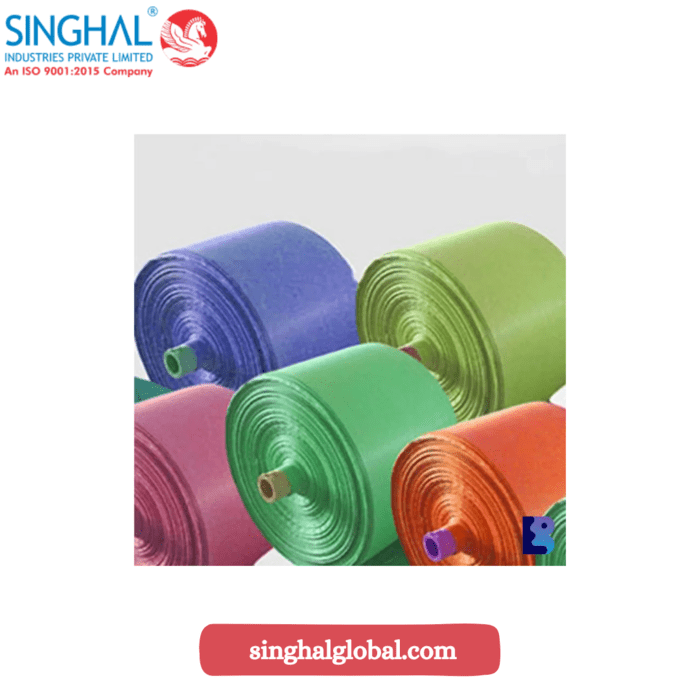
The journey of PP woven fabric begins with polypropylene granules, small plastic pellets. These pellets are melted and extruded into thin filaments, which are then cooled and solidified. The next step involves drawing and stretching the filaments to achieve the desired thickness and strength. The prepared filaments are then woven on specialized looms.
Modern looms offer a high degree of automation, ensuring consistent quality and intricate patterns. However, traditional hand-operated looms still exist in certain regions, adding a touch of human artistry to the process. Finally, the woven fabric is rolled, inspected, and prepared for shipment to manufacturers.
Key Characteristics of PP Woven Fabric
1. Durability: PP woven fabric boasts exceptional strength and tear resistance, making it ideal for applications that require long-lasting performance.
2. Lightweight: Despite its strength, PP woven fabric is surprisingly light, adding minimal weight to the final product.
3. Water Resistance: The plastic nature of PP makes the fabric naturally water-resistant, allowing it to withstand rain and moisture.
4. Chemical Resistance: PP woven fabric is resistant to many chemicals, making it suitable for various industrial applications.
5. Versatility: The weaving process allows for customization of weight, thickness, and color, offering endless possibilities for different uses.
6. Recyclability: Polypropylene is a recyclable plastic, making PP woven fabric an eco-friendly choice when proper recycling options are available.
Exploring the Applications of PP Woven Fabric Rolls
PP woven fabric rolls find application in a surprisingly wide range of industries. Here are just a few examples:
1. Agriculture: Woven fabric rolls are used to create agricultural tarps, shade cloths, and weed control mats.
2. Packaging: PP woven sacks and bags are widely utilized for packaging rice, grains, fertilizers, and other bulk materials.
3. Construction: The fabric serves as a base for construction membranes, debris containment during demolition, and erosion control blankets.
4. Furniture: PP woven fabric can be used to create durable and weatherproof outdoor furniture.
5. Home Goods: Storage bags, laundry hampers, and even rugs can be crafted using PP woven fabric.
PP Woven Fabric vs. PP Non-Woven Fabric
While both PP woven and non-woven fabrics utilize polypropylene, there's a crucial difference in their production process. PP non-woven fabric involves bonding fibers together using heat, pressure, or chemical adhesives. This creates a softer, more web-like material compared to the structured grid of woven fabric.
Finding the Right PP Woven Fabric Manufacturer
The success of your project hinges on sourcing high-quality PP woven fabric rolls from a reputable manufacturer. Here are some key factors to consider:
1. Product Range: Ensure the manufacturer offers fabric with the required weight, thickness, and color options for your application.
2. Customization Capabilities: If you require specific features like lamination or printing, look for a manufacturer who can cater to your needs.
3. Quality Control: Choose a manufacturer with a strong commitment to quality control to ensure consistent performance of the fabric.
4. Sustainability Practices: If environmental responsibility is a concern, look for manufacturers who utilize recycled PP or offer recycling programs for used fabric.
Conclusion:
PP woven fabric stands as a testament to the power of combining technological innovation with meticulous craftsmanship. Its versatility, affordability, and impressive strength make it an invaluable material across countless industries. From the humble grocery bag to life-extending agricultural covers, PP woven fabric silently shapes our world. As technology continues to evolve, we can expect even more exciting applications for this remarkable material.
FAQs (Frequently asked questions)
Q1. Is PP woven fabric breathable? A1. No, PP woven fabric is not inherently breathable. However, manufacturers can introduce breathable features during the production process.
Q2. Can PP woven fabric be dyed? A2. Yes, PP woven fabric can be dyed in various colors during production.
Q3. How is PP woven fabric different from other woven fabrics like cotton? A3. Compared to natural fabrics like cotton, PP woven fabric offers superior water resistance, chemical resistance, and durability. However, it is not as breathable and may not have the same aesthetic appeal.
In a world increasingly dominated by mass-produced goods, the art of craftsmanship stands out. PP woven fabric, a versatile and durable material, offers a unique opportunity to delve into the world of textiles and create functional and beautiful objects. This article explores the intricacies of PP woven fabric, from its production process to its vast applications, empowering you to become a master in its use.
Understanding PP Woven Fabric
PP woven fabric, also known as polypropylene woven fabric, is a strong and lightweight material constructed from threads of polypropylene (PP), a type of plastic. These threads are intricately woven together on industrial looms, creating a flat sheet with a distinct grid-like structure. The weaving process allows for customization of the fabric's weight, strength, and texture.
The Art of Production: From PP Granules to Woven Rolls
The journey of PP woven fabric begins with polypropylene granules, small plastic pellets. These pellets are melted and extruded into thin filaments, which are then cooled and solidified. The next step involves drawing and stretching the filaments to achieve the desired thickness and strength. The prepared filaments are then woven on specialized looms.
Modern looms offer a high degree of automation, ensuring consistent quality and intricate patterns. However, traditional hand-operated looms still exist in certain regions, adding a touch of human artistry to the process. Finally, the woven fabric is rolled, inspected, and prepared for shipment to manufacturers.
Key Characteristics of PP Woven Fabric
1. Durability: PP woven fabric boasts exceptional strength and tear resistance, making it ideal for applications that require long-lasting performance.
2. Lightweight: Despite its strength, PP woven fabric is surprisingly light, adding minimal weight to the final product.
3. Water Resistance: The plastic nature of PP makes the fabric naturally water-resistant, allowing it to withstand rain and moisture.
4. Chemical Resistance: PP woven fabric is resistant to many chemicals, making it suitable for various industrial applications.
5. Versatility: The weaving process allows for customization of weight, thickness, and color, offering endless possibilities for different uses.
6. Recyclability: Polypropylene is a recyclable plastic, making PP woven fabric an eco-friendly choice when proper recycling options are available.
Exploring the Applications of PP Woven Fabric Rolls
PP woven fabric rolls find application in a surprisingly wide range of industries. Here are just a few examples:
1. Agriculture: Woven fabric rolls are used to create agricultural tarps, shade cloths, and weed control mats.
2. Packaging: PP woven sacks and bags are widely utilized for packaging rice, grains, fertilizers, and other bulk materials.
3. Construction: The fabric serves as a base for construction membranes, debris containment during demolition, and erosion control blankets.
4. Furniture: PP woven fabric can be used to create durable and weatherproof outdoor furniture.
5. Home Goods: Storage bags, laundry hampers, and even rugs can be crafted using PP woven fabric.
PP Woven Fabric vs. PP Non-Woven Fabric
While both PP woven and non-woven fabrics utilize polypropylene, there's a crucial difference in their production process. PP non-woven fabric involves bonding fibers together using heat, pressure, or chemical adhesives. This creates a softer, more web-like material compared to the structured grid of woven fabric.
Finding the Right PP Woven Fabric Manufacturer
The success of your project hinges on sourcing high-quality PP woven fabric rolls from a reputable manufacturer. Here are some key factors to consider:
1. Product Range: Ensure the manufacturer offers fabric with the required weight, thickness, and color options for your application.
2. Customization Capabilities: If you require specific features like lamination or printing, look for a manufacturer who can cater to your needs.
3. Quality Control: Choose a manufacturer with a strong commitment to quality control to ensure consistent performance of the fabric.
4. Sustainability Practices: If environmental responsibility is a concern, look for manufacturers who utilize recycled PP or offer recycling programs for used fabric.
Conclusion:
PP woven fabric stands as a testament to the power of combining technological innovation with meticulous craftsmanship. Its versatility, affordability, and impressive strength make it an invaluable material across countless industries. From the humble grocery bag to life-extending agricultural covers, PP woven fabric silently shapes our world. As technology continues to evolve, we can expect even more exciting applications for this remarkable material.
FAQs (Frequently asked questions)
Q1. Is PP woven fabric breathable? A1. No, PP woven fabric is not inherently breathable. However, manufacturers can introduce breathable features during the production process.
Q2. Can PP woven fabric be dyed? A2. Yes, PP woven fabric can be dyed in various colors during production.
Q3. How is PP woven fabric different from other woven fabrics like cotton? A3. Compared to natural fabrics like cotton, PP woven fabric offers superior water resistance, chemical resistance, and durability. However, it is not as breathable and may not have the same aesthetic appeal.
Are you sure you want to stop following?
Loading…
Congrats! You are now a member!
Start requesting vouchers for promo codes by clicking the Request Deal buttons on products you want.
Sellers of Amazon products are required to sign in at www.amztracker.com
More information about placing your products on this site can be found here.
Are you having problems purchasing a product with the supplied voucher? If so, please contact the seller via the supplied email.
Also, please be patient. Sellers are pretty busy people and it can take awhile to respond to your emails.
After 2 days of receiving a voucher you can report the seller to us (using the same button) if you cannot resolve this issue with the seller.
For more information click here.
We have taken note and will also convey the problems to the seller on your behalf.
Usually the seller will rectify it soon, we suggest now you can remove this request from your dashboard and choose another deal.
If you love this deal most, we suggest you can try to request this deal after 2 days.
This will mark the product as purchased. The voucher will be permanently removed from your dashboard shortly after. Are you sure?
You are essentially competing with a whole lot of other buyers when requesting to purchase a product. The seller only has a limited amount of vouchers to give out too.
Select All Groups
✕
Adult Products
Arts, Crafts & Sewing
Automotive & Industrial
Beauty & Grooming
Cell Phones & Accessories
Electronics & Office
Health & Household
Home & Garden
Jewelry
Kitchen & Dining
Men's Clothing & Shoes
Pet Supplies
Sports & Outdoors
Toys, Kids & Baby
Watches
Women's Clothing & Shoes
Other
Adult Products
©Copyright 2026 Vipon All Right Reserved · Privacy Policy · Terms of Service · Do Not Sell My Personal Information
Certain content in this page comes from Amazon. The content is provided as is, and is subject
to change or removal at
any time. Amazon and the Amazon logo are trademarks of Amazon.com,
Inc. or its affiliates.
Comments