Amazon Coupons
Vipon > V Show > Peppermint Essential Oil Safety Guide: What You Need to Know in 2024 Share great deals & products and save together.

Peppermint Essential Oil Safety Guide: What You Need to Know in 2024

2024-05-30 04:26:09
Report

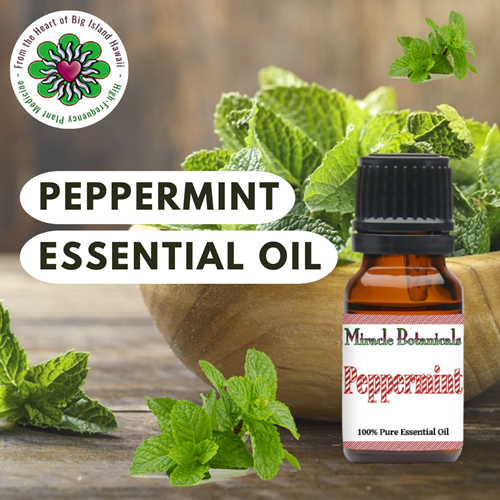
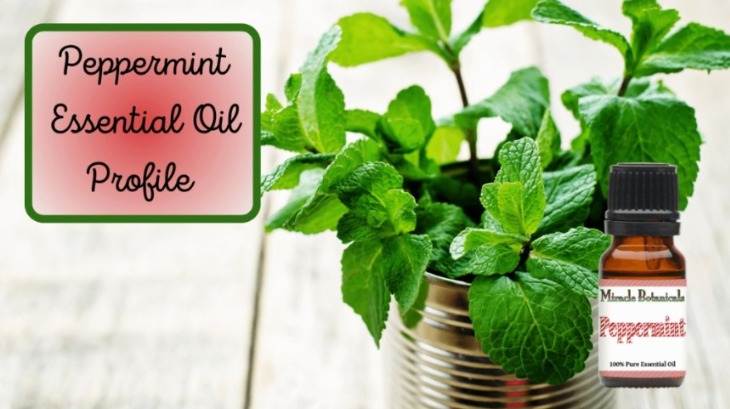
Peppermint essential oil, derived from the leaves of the Mentha piperita plant, is renowned for its invigorating scent and therapeutic properties. Its popularity in aromatherapy and natural medicine continues to grow, thanks to its versatile benefits, including relief from headaches, digestive issues, and respiratory conditions. However, like all essential oils, peppermint oil requires careful usage to ensure safety and efficacy. This guide aims to provide comprehensive information on the safe use of peppermint essential oil in 2024, highlighting its benefits, potential risks, and best practices.

Benefits of Peppermint Essential Oil

Aromatherapy

Peppermint essential oil is a staple in aromatherapy due to its refreshing and energizing scent. Inhaling the aroma of peppermint oil can help to:


  • Enhance Concentration: The invigorating scent of peppermint can boost alertness and improve cognitive function, making it an excellent choice for enhancing focus during tasks that require mental clarity.

  • Alleviate Headaches: The cooling effect of peppermint oil can help to reduce tension headaches and migraines when inhaled or applied topically with a carrier oil.

  • Relieve Stress: Peppermint oil’s refreshing aroma can help reduce stress and anxiety, promoting a sense of calm and relaxation.

Topical Application

When diluted with a carrier oil, peppermint essential oil can be applied to the skin to provide several benefits:


  • Pain Relief: The menthol in peppermint oil has analgesic properties that can help alleviate muscle and joint pain.

  • Skin Soothing: Peppermint oil can soothe itchy and irritated skin, making it beneficial for conditions like eczema and dermatitis.

  • Antimicrobial Properties: It can help to cleanse the skin and prevent infections due to its natural antimicrobial properties.

Internal Use

While internal use of essential oils should be approached with caution and preferably under the guidance of a healthcare professional, peppermint essential oil can offer digestive benefits:


  • Digestive Aid: Peppermint oil can relieve symptoms of irritable bowel syndrome (IBS), indigestion, and bloating by relaxing the muscles of the gastrointestinal tract.

  • Fresh Breath: Adding a drop of peppermint oil to a glass of water can help to freshen breath and maintain oral hygiene.


Safety Precautions

Dilution and Dosage

Peppermint essential oil is highly concentrated and should always be diluted before topical application. A general guideline is to use a 2-3% dilution rate, which equates to approximately 12-18 drops of essential oil per ounce of carrier oil. For children, elderly individuals, or those with sensitive skin, a 1% dilution (6 drops per ounce) is recommended.

Patch Test

Before using peppermint oil topically, it is essential to conduct a patch test to check for any allergic reactions. Apply a small amount of diluted oil to a patch of skin on the forearm and wait 24 hours. If there is no redness, itching, or irritation, it is generally safe to use.

Avoiding Sensitive Areas

Peppermint oil should never be applied near or on sensitive areas such as the eyes, inner ears, or mucous membranes. In case of accidental contact, rinse thoroughly with a carrier oil, not water, to mitigate the burning sensation.

Internal Use Caution

If considering the internal use of peppermint essential oil, it is crucial to consult with a healthcare professional. Only food-grade oils should be used, and even then, they should be ingested in very small amounts to avoid potential toxicity. Excessive intake can cause adverse effects such as heartburn, nausea, and mouth sores.

Pregnancy and Breastfeeding

Pregnant and breastfeeding women should use peppermint essential oil with caution. While it can be beneficial for alleviating nausea and morning sickness, it is essential to consult with a healthcare provider to ensure safety, as some components in peppermint oil may affect milk supply or pose risks during pregnancy.

Children and Pets

Peppermint oil should be used with extreme caution around children and pets. Ingesting even small amounts can be harmful to both. For children under six, it is best to avoid using peppermint oil altogether, and for older children, always use highly diluted forms. Similarly, keep peppermint oil out of reach of pets, as it can be toxic to animals if ingested.

Potential Side Effects

Skin Irritation

Undiluted peppermint oil can cause skin irritation, especially in individuals with sensitive skin. Symptoms may include redness, itching, and a burning sensation. Always dilute the oil appropriately and perform a patch test before use.

Allergic Reactions

Although rare, some individuals may experience allergic reactions to peppermint oil. Symptoms can include skin rashes, hives, or respiratory issues. If any signs of an allergic reaction occur, discontinue use immediately and seek medical advice.

Respiratory Issues

Inhalation of peppermint oil can sometimes cause respiratory issues, particularly in individuals with asthma or other respiratory conditions. It is advisable to use peppermint oil in well-ventilated areas and to monitor for any signs of respiratory distress.

Best Practices for Using Peppermint Essential Oil

Choosing Quality Oils

To ensure safety and efficacy, always choose high-quality, pure peppermint essential oil from reputable sources. Look for oils that are 100% pure, therapeutic grade, and have undergone third-party testing to verify their purity and potency.

Proper Storage

Store peppermint essential oil in a cool, dark place away from direct sunlight and heat to maintain its potency. Ensure that the cap is tightly sealed to prevent oxidation and degradation of the oil.

Safe Diffusion

When diffusing peppermint essential oil, start with a few drops and increase as needed. Ensure the room is well-ventilated and avoid prolonged exposure to the diffused oil. Using a diffuser with an automatic shut-off feature can help to prevent overexposure.

Blending with Other Oils

Peppermint oil can be blended with other essential oils to enhance its benefits and reduce potential side effects. Some complementary oils include lavender, eucalyptus, and lemon. Always research and follow proper blending guidelines to ensure safety.

Educating Yourself

Continuously educate yourself on the latest research and guidelines for using peppermint essential oil. This will help you stay informed about any new safety concerns or recommendations and ensure you are using the oil effectively and safely.

Conclusion

Peppermint essential oil offers a myriad of benefits, from enhancing mental clarity to relieving pain and aiding digestion. However, its potent nature requires careful handling and adherence to safety guidelines to avoid adverse effects. By following proper dilution practices, conducting patch tests, and consulting with healthcare professionals when necessary, you can enjoy the therapeutic benefits of peppermint essential oil safely. For high-quality peppermint essential oil, consider trusted sources like Miracle Botanicals to ensure you are using a product that meets the highest standards of purity and efficacy.

Peppermint Essential Oil Safety Guide: What You Need to Know in 2024

66.9k
2024-05-30 04:26:09

Peppermint essential oil, derived from the leaves of the Mentha piperita plant, is renowned for its invigorating scent and therapeutic properties. Its popularity in aromatherapy and natural medicine continues to grow, thanks to its versatile benefits, including relief from headaches, digestive issues, and respiratory conditions. However, like all essential oils, peppermint oil requires careful usage to ensure safety and efficacy. This guide aims to provide comprehensive information on the safe use of peppermint essential oil in 2024, highlighting its benefits, potential risks, and best practices.

Benefits of Peppermint Essential Oil

Aromatherapy

Peppermint essential oil is a staple in aromatherapy due to its refreshing and energizing scent. Inhaling the aroma of peppermint oil can help to:


  • Enhance Concentration: The invigorating scent of peppermint can boost alertness and improve cognitive function, making it an excellent choice for enhancing focus during tasks that require mental clarity.

  • Alleviate Headaches: The cooling effect of peppermint oil can help to reduce tension headaches and migraines when inhaled or applied topically with a carrier oil.

  • Relieve Stress: Peppermint oil’s refreshing aroma can help reduce stress and anxiety, promoting a sense of calm and relaxation.

Topical Application

When diluted with a carrier oil, peppermint essential oil can be applied to the skin to provide several benefits:


  • Pain Relief: The menthol in peppermint oil has analgesic properties that can help alleviate muscle and joint pain.

  • Skin Soothing: Peppermint oil can soothe itchy and irritated skin, making it beneficial for conditions like eczema and dermatitis.

  • Antimicrobial Properties: It can help to cleanse the skin and prevent infections due to its natural antimicrobial properties.

Internal Use

While internal use of essential oils should be approached with caution and preferably under the guidance of a healthcare professional, peppermint essential oil can offer digestive benefits:


  • Digestive Aid: Peppermint oil can relieve symptoms of irritable bowel syndrome (IBS), indigestion, and bloating by relaxing the muscles of the gastrointestinal tract.

  • Fresh Breath: Adding a drop of peppermint oil to a glass of water can help to freshen breath and maintain oral hygiene.


Safety Precautions

Dilution and Dosage

Peppermint essential oil is highly concentrated and should always be diluted before topical application. A general guideline is to use a 2-3% dilution rate, which equates to approximately 12-18 drops of essential oil per ounce of carrier oil. For children, elderly individuals, or those with sensitive skin, a 1% dilution (6 drops per ounce) is recommended.

Patch Test

Before using peppermint oil topically, it is essential to conduct a patch test to check for any allergic reactions. Apply a small amount of diluted oil to a patch of skin on the forearm and wait 24 hours. If there is no redness, itching, or irritation, it is generally safe to use.

Avoiding Sensitive Areas

Peppermint oil should never be applied near or on sensitive areas such as the eyes, inner ears, or mucous membranes. In case of accidental contact, rinse thoroughly with a carrier oil, not water, to mitigate the burning sensation.

Internal Use Caution

If considering the internal use of peppermint essential oil, it is crucial to consult with a healthcare professional. Only food-grade oils should be used, and even then, they should be ingested in very small amounts to avoid potential toxicity. Excessive intake can cause adverse effects such as heartburn, nausea, and mouth sores.

Pregnancy and Breastfeeding

Pregnant and breastfeeding women should use peppermint essential oil with caution. While it can be beneficial for alleviating nausea and morning sickness, it is essential to consult with a healthcare provider to ensure safety, as some components in peppermint oil may affect milk supply or pose risks during pregnancy.

Children and Pets

Peppermint oil should be used with extreme caution around children and pets. Ingesting even small amounts can be harmful to both. For children under six, it is best to avoid using peppermint oil altogether, and for older children, always use highly diluted forms. Similarly, keep peppermint oil out of reach of pets, as it can be toxic to animals if ingested.

Potential Side Effects

Skin Irritation

Undiluted peppermint oil can cause skin irritation, especially in individuals with sensitive skin. Symptoms may include redness, itching, and a burning sensation. Always dilute the oil appropriately and perform a patch test before use.

Allergic Reactions

Although rare, some individuals may experience allergic reactions to peppermint oil. Symptoms can include skin rashes, hives, or respiratory issues. If any signs of an allergic reaction occur, discontinue use immediately and seek medical advice.

Respiratory Issues

Inhalation of peppermint oil can sometimes cause respiratory issues, particularly in individuals with asthma or other respiratory conditions. It is advisable to use peppermint oil in well-ventilated areas and to monitor for any signs of respiratory distress.

Best Practices for Using Peppermint Essential Oil

Choosing Quality Oils

To ensure safety and efficacy, always choose high-quality, pure peppermint essential oil from reputable sources. Look for oils that are 100% pure, therapeutic grade, and have undergone third-party testing to verify their purity and potency.

Proper Storage

Store peppermint essential oil in a cool, dark place away from direct sunlight and heat to maintain its potency. Ensure that the cap is tightly sealed to prevent oxidation and degradation of the oil.

Safe Diffusion

When diffusing peppermint essential oil, start with a few drops and increase as needed. Ensure the room is well-ventilated and avoid prolonged exposure to the diffused oil. Using a diffuser with an automatic shut-off feature can help to prevent overexposure.

Blending with Other Oils

Peppermint oil can be blended with other essential oils to enhance its benefits and reduce potential side effects. Some complementary oils include lavender, eucalyptus, and lemon. Always research and follow proper blending guidelines to ensure safety.

Educating Yourself

Continuously educate yourself on the latest research and guidelines for using peppermint essential oil. This will help you stay informed about any new safety concerns or recommendations and ensure you are using the oil effectively and safely.

Conclusion

Peppermint essential oil offers a myriad of benefits, from enhancing mental clarity to relieving pain and aiding digestion. However, its potent nature requires careful handling and adherence to safety guidelines to avoid adverse effects. By following proper dilution practices, conducting patch tests, and consulting with healthcare professionals when necessary, you can enjoy the therapeutic benefits of peppermint essential oil safely. For high-quality peppermint essential oil, consider trusted sources like Miracle Botanicals to ensure you are using a product that meets the highest standards of purity and efficacy.

Comments

Recommended

Discover the Magic of Rare Essential Oils with Miracle Botanicals
miraclebotanicals
99
The Beauty and Benefits of Floral Essential Oils – Miracle Botanicals Essential Oils
miraclebotanicals
729.7k
Peppermint Essential Oil for Skincare: Tips and Tricks for 2024
miraclebotanicals
815.4k
Download Vipon App to get great deals now!
...
Amazon Coupons Loading…